October 13, 2026
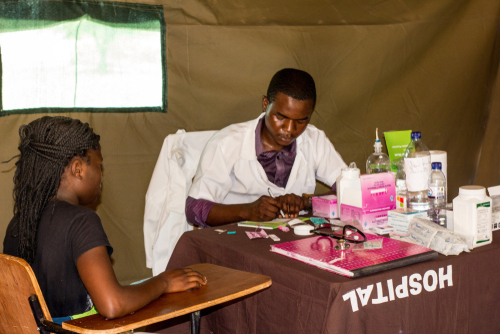
Vaccination can be a powerful tool against antimicrobial resistance in Mozambique.
Mozambique faces high levels of AMR, driven in part by high infectious-disease rates; constrained healthcare; and inadequate water, sanitation, and hygiene infrastructure. The Global Antibiotic Resistance Partnership (GARP)-Mozambique, led by experts from the School of Medicine at Eduardo Mondlane University and the One Health Trust, provides evidence for and recommendations on how to leverage vaccination for AMR control. Key recommendations include optimizing routine immunization programs, implementing focused catch-up vaccination initiatives, establishing quantifiable vaccination objectives integrated within AMR strategic plans, and promoting public awareness campaigns that connect vaccination with antibiotic stewardship. [One Health Trust]
Making Ethiopia’s raw milk safer requires more than improved testing.
Researchers synthesized findings from 50 articles on dairy safety in Ethiopia published between 1995 and 2026, to assess the public health and economic implications of widespread raw milk consumption. Food safety challenges in Ethiopia are compounded by regulatory gaps, inadequate infrastructure, and market conditions that may compromise safe dairy production practices. The review identified connections between microbiological threats and economic and regulatory obstacles while evaluating context-appropriate interventions. Rather than relying solely on testing to improve milk safety, the authors recommend a comprehensive, tiered approach encompassing production, processing, distribution, regulatory frameworks, and consumer behavior. Coordinated interventions could reduce the risk of foodborne illness while limiting economic losses across Ethiopia’s dairy industry. [Discover Public Health]
Turning micro- and nano plastics research into policy
A commentary warns that regulation is not keeping pace with rapidly evolving research on micro- and nano plastics (MNPs) and the regulatory measures required to address their prospective environmental and health consequences. These particles are increasingly being detected in the environment, biological systems, and potable water reserves, while evidence of their impact on human health continues to grow. Yet, scientific progress has not resulted in consistent policy frameworks. The authors call for closer collaboration among researchers, regulatory authorities, and industry to ensure that emerging findings can inform practical regulations and timely actions. Priorities include standardized terminology and testing methods, enhanced risk evaluation and surveillance systems, and adaptive policy structures designed to align with the rapidly advancing field of MNP research. [NPJ Emerging Contaminants]
Malaria burden in The Gambia is becoming increasingly concentrated.
An analysis of pediatric malaria cases at Kanifing General Hospital in The Gambia found that, despite an overall decline in malaria prevalence, transmission remains highly uneven. Researchers identified area-specific factors contributing to the disease burden that may become increasingly important as the country progresses from malaria control toward complete elimination. They call for geographically and seasonally targeted surveillance to identify at-risk populations and make more effective use of resources for prevention, diagnosis, and treatment as transmission becomes increasingly concentrated in certain geographies and seasons. [Malaria Journal]
Alternative irrigation water research needs a One Health approach.
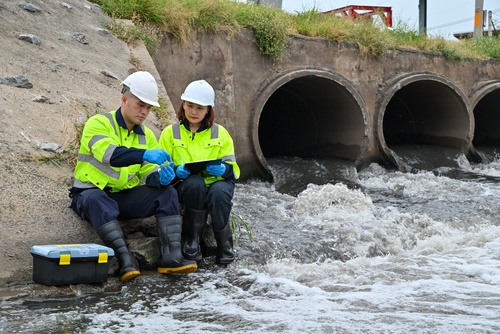
A review of global research published between 2020 and 2024 found that treated wastewater, saline water, and other alternative irrigation sources could help agriculture cope with freshwater scarcity, but their use requires careful safeguards. These sources offer opportunities to conserve freshwater, recover nutrients, and improve drought resilience; however, the risks may include accumulation of salt, chemicals, pathogens, and antibiotic resistance. The review finds that predominantly short-term, site-specific studies cannot address important gaps in understanding long-term effects on soils, crops, groundwater, and food safety. The authors call for longer field trials, reliable treatment and monitoring, and locally appropriate regulation, supported by One Health assessments that consider interconnected health and environmental risks. [Water Conservation Science and Engineering]
Using phages to steer resistant infections toward effective treatment
A review of phage therapy from a One Health perspective found that viruses that selectively infect bacteria could offer new ways to tackle persistent Pseudomonas aeruginosa infections in animals. P aeruginosa causes chronic ear, wound, and other infections that are difficult to treat because of antibiotic resistance and biofilm formation. The review explores “evolutionary steering”, an approach in which phages are selected so that when bacteria develop resistance to them, they become less virulent or more susceptible to antibiotics. However, these benefits are not guaranteed, and some evolutionary changes could worsen infection. The authors highlight the need for carefully designed phage combinations and further validation in veterinary settings, with potential applications in animal treatment and environmental infection control. [Bacteriophage]
Screwworms’ return poses a One Health threat.
The resurgence of the New World screwworm in Central America and Mexico is threatening animal and human health after decades of their successful elimination. The parasitic fly larvae feed on living tissue, causing severe wounds and potentially fatal infections. A review examined how cattle trafficking, forest degradation, increasing livestock density, and a warming climate may contribute to its spread, alongside gaps in surveillance and preparedness. The authors highlight barriers to detecting and treating human cases, particularly among vulnerable populations. The review calls for coordinated One Health surveillance, stronger cross-border cooperation, community engagement, and sustained investment in control measures, including the production and release of sterile flies. [PLOS Neglected Tropical Diseases]
Climate change could expand habitats for a cattle disease vector.
A global modeling study found that climate change could create new suitable habitats for Rhipicephalus annulatus, a tick that transmits bovine babesiosis. Using tick occurrence records and climate projections, researchers identified potential expansion into parts of Europe, the Arabian Peninsula, and Australia, particularly under a high-emissions scenario. The models project an overall increase in suitable areas by mid-century, followed by some contraction under late-century high-emissions conditions. These projections indicate climatic suitability rather than confirmed spread, which also depends on livestock movement, host availability, and other ecological factors. The authors call for climate-informed surveillance and early warning systems within a One Health framework to help anticipate emerging risks to livestock health. [Scientific Reports]
Farming wildlife may reduce some pathogens but offer no universal protection.
Does sourcing wildlife from farms rather than the wild lower zoonotic risk at traditional food markets? A systematic review and meta-analysis of 20 comparative studies found that the answer depends on the animal and pathogen. Farmed aquatic species had 89 percent lower odds of parasitic infection than wild-caught ones; farmed reptiles also had lower odds, likely because managed systems interrupt parasite life cycles that depend on intermediate hosts. Bacterial findings were inconsistent overall, and most studies had high risk of bias. Importantly, because the studies measured pathogen presence in animals rather than transmission to people, the impact on human health remains unclear. The authors therefore recommend tailoring surveillance and biosecurity to specific animals and pathogens before treating wildlife farming as a strategy to prevent spillover. [One Health]
Wildlife market practices reveal opportunities to reduce disease spillover risk.
Wildlife markets bring people and animals into close contact, creating opportunities for infections to cross species. At one cross-border market in Southeast Asia, researchers conducted four days of observations, with six interviews and six guided walks in January 2025. Taste preferences, perceived health benefits, and livelihoods sustained demand, while market routines shaped risky behavior such as bare-handed handling of wildlife and inadequate waste disposal. The authors caution that blanket bans may drive trade underground, making surveillance harder. They instead recommend improving hygiene and regulating trade through culturally informed measures developed with local communities. [SSM – Qualitative Research in Health]
Warming weather could expand leishmaniosis risk across Europe and reshape prevention.
Leishmaniosis, a parasitic infection transmitted by sand flies, poses a threat to both dogs and people in Europe. To improve on surveillance methods that often rely on static annual prevalence maps, researchers combined habitat models based on 2,319 sand fly occurrence records with temperature-dependent parasite development to map potential risk month by month. The maps performed well: 96.5 percent of infected-dog records used for validation fell within high-risk zones covering just 13.8 percent of Europe. Modeled risk expanded northward during spring and summer and contracted in autumn, revealing seasonal potential risk beyond Mediterranean hotspots. Under a high-emissions climate scenario, potentially suitable risk areas were projected to increase by approximately 348 percent by 2100. These maps could help veterinarians and health authorities focus surveillance and time preventive measures to local transmission seasons. [PLOS Neglected Tropical Diseases]
Aquaponics could strengthen food security in Africa if safety gaps are addressed.
Aquaponics combines fish farming with soil-free crops and uses up to 90 percent less water than conventional agriculture—a major advantage in Africa’s water-scarce regions. However, a review warns that because these systems recirculate water, a pathogen introduced at any point can spread throughout the system and contaminate fish and vegetables simultaneously. Salmonella, Aeromonas hydrophila, Escherichia coli, toxigenic fungi, and enteric viruses can persist in aquaponics systems, while biofilms on tanks and growing media can become hotspots for antimicrobial resistance gene transfer. The review identified no published quantitative microbiological risk assessments for aquaponic systems in Africa. Safely expanding these systems will therefore require food safety standards and integrated surveillance that connects human, animal, and environmental health. [Aquaculture International]
Bird flu surveillance needs to expand across Europe and Africa.
Migratory birds contribute to avian influenza spread across Europe and Africa, yet surveillance remains uneven. A systematic review examined 72 publications from 2005-2025, covering 233,683 sampled migratory birds. Low-pathogenic viruses predominated (86 percent of detections), while highly pathogenic detections clustered after the 2005 H5N1 outbreak and the post-2020 waves. The Mediterranean migration route connected the Atlantic and Bosphorus routes and had the greatest diversity of bird species testing positive. Research focused largely on waterfowl and often intensified only after outbreaks, making regional comparison difficult. The authors call for continuous monitoring across migration routes, broader sampling of apparently healthy species, and stronger surveillance in Africa to improve early detection. [Emerging Microbes & Infections]
India’s GDP debate risks losing sight of what progress really means.
Writing in the Hindustan Times, OHT’s Dr. Ramanan Laxminarayan argues that India’s debate over the accuracy of recent GDP growth figures focuses on a metric that was never designed to serve as an indicator of national well-being. While GDP functions effectively as a tool for quantifying economic activity, it provides minimal insight into dimensions such as air and water quality, public services, healthcare, security, social equity, institutional trust, environmental conditions, or public confidence in intergenerational prosperity. Citing economist Simon Kuznets’s early warning against treating national income as a measure of welfare, Dr. Laxminarayan notes that economic growth can support better health, education, infrastructure, and social safety nets, but it is neither a prerequisite nor a guarantee for genuine human flourishing. The more important question, he argues, is not how much an economy grows, but what kind of growth it produces and whom that growth serves. [Hindustan Times]
When cooperation became intelligence
Cooperation may have played a central role in shaping human intelligence. In his column, Vital Signs, OHT’s Dr. Ramanan Laxminarayan reflects on evolution and what makes us human. Using the ancient Toba eruption as a possible example of extreme survival pressure, he explores how sharing scarce resources, caring for others, and passing on knowledge may have become especially valuable during times of crises. He argues that trust, reciprocity, and language allowed knowledge to circulate between individuals and accumulate across generations, transforming intelligence into a collective capacity. As artificial intelligence increasingly approaches human cognitive abilities, our defining strength, he suggests, may lie in the instinct to cooperate that helped those abilities evolve. [Hindustan Times]
Image from Shutterstock