June 01, 2026
Can the world meet the UN’s 2030 targets on AMR?
At the 2024 United Nations General Assembly, countries committed to reducing global bacterial AMR deaths by 10 percent and increasing the use of Access antibiotics to 70 percent by 2030. Accroding to experts, including OHT’s Dr. Ramanan Laxminarayan, these objectives will rely less on the development of new antibiotics and more on prevention-focused tactics, including increased immunization, more effective infection control, better access to existing antibiotics, and improved water and sanitation. However, the authors caution that the significant gaps in diagnostic and surveillance capabilities, especially in low- and middle-income nations, make it challenging to confirm progress. Additionally, they warn that local resistance trends and treatment realities may not be fully reflected in worldwide antibiotic use targets. [The Lancet]
Immunity as defense: Tackling AMR through vaccination in Bangladesh
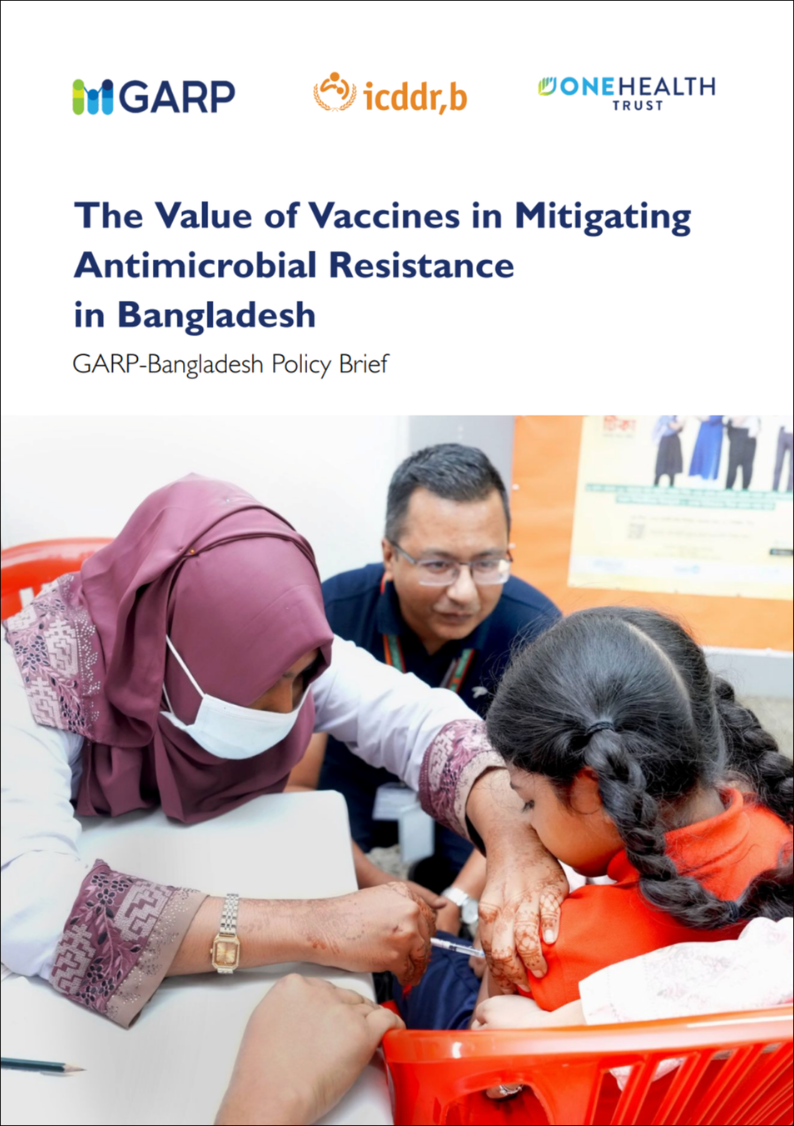
Antimicrobial resistance (AMR) caused nearly 97,000 deaths in Bangladesh in 2021, despite national strategies and One Health efforts to address its burden. The 2026 Global Antibiotic Resistance Partnership policy brief by the One Health Trust and icddr,b experts highlights the growing health and economic toll of AMR and emphasizes vaccines as a vital preventive strategy. By reducing infections and unnecessary antibiotic use, vaccines such as those for influenza, rotavirus, and typhoid can significantly curb the spread of resistant pathogens. The brief calls for improvements in immunization policies, vaccine coverage, regulatory reforms, research, and public awareness. [One Health Trust]
Delaying action on livestock antibiotic use could prove extremely costly.
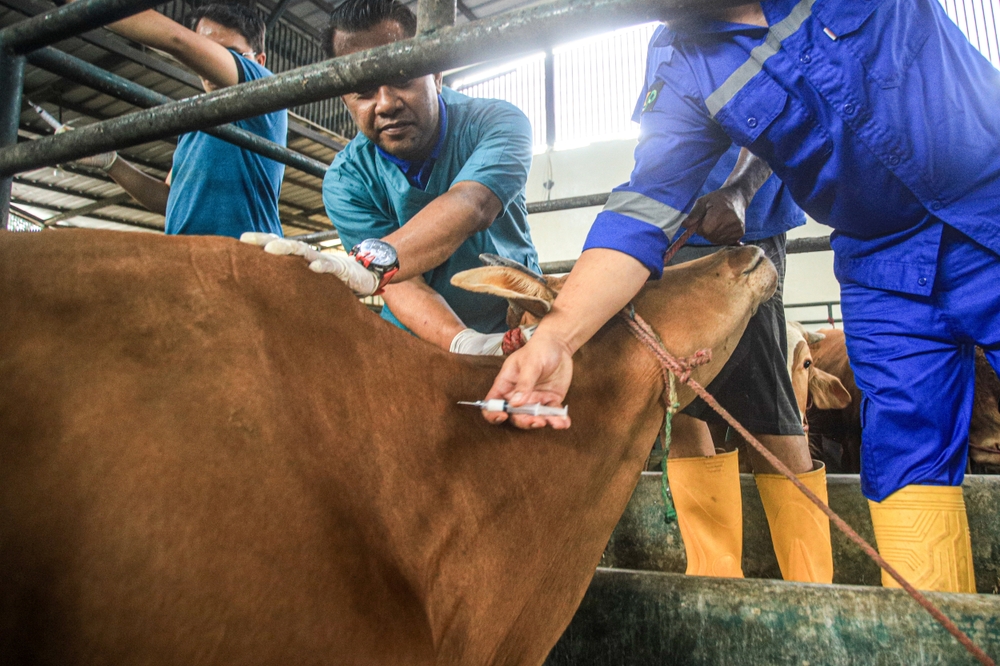
A new economic analysis warns that failing to curb antibiotic use in livestock may carry far higher long-term costs than the short-term setbacks of reform. Researchers, including OHT’s Dr. Ramanan Laxminarayan, project that unchecked antimicrobial resistance (AMR) could result in US$318 billion losses in livestock production and US$1.25 trillion in broader economic welfare losses by 2040. In contrast, eliminating growth promoters could temporarily reduce livestock production by about US$53 billion between 2025 and 2040. Systems most susceptible to production shocks were those involving pork and poultry. The results imply that the long-term economic risks of doing nothing about AMR may exceed the short-term adjustment costs. [Journal of Agricultural Economics]
What the Andes hantavirus outbreak tells us about global health risks
A rapid ESCMID assessment examines a multinational outbreak of Andes hantavirus linked to a cruise ship travelling near South America, highlighting how zoonotic infections can quickly become complex global health events. The outbreak involved passengers and crew from more than 20 nationalities, with investigations exploring whether infections stemmed from environmental exposure, onboard transmission, or limited person-to-person spread. The commentary discusses the clinical severity of hantavirus cardiopulmonary syndrome, the challenges of outbreak response in maritime settings, and the importance of cross-border coordination under international health regulations. The authors argue that the incident underscores the growing need for preparedness at the intersection of travel, ecology, and emerging infections. [Clinical Microbiology and Infection]
The urgent need for new treatment as the Bundibugyo Ebola outbreak continues
Scientists are racing to test experimental treatments and vaccines during an ongoing outbreak of the rare Bundibugyo strain of Ebola virus in the Democratic Republic of the Congo and Uganda. Unlike the Zaire strain, Bundibugyo Ebola currently has no approved vaccines or targeted therapies, forcing researchers to rapidly adapt existing antiviral drugs and vaccine platforms developed during earlier outbreaks. The situation highlights both scientific progress since the 2014–2016 epidemic and persistent challenges of running trials in insecure, resource-limited settings. Rapid international coordination will be essential. [Nature]
Air pollution may be disrupting insect mating signals.
New research suggests air pollution disrupts insect mating more than their alarm signals. Sex pheromones (larger and more chemically reactive), degrade faster in polluted air, especially at night, shrinking the distance over which potential mates can find each other. Alarm pheromones, being smaller and more stable, remain largely unaffected. The findings point to a possible hidden driver of declining insect populations through reduced reproduction and pollination. [Communications Earth and Environment]
New avian influenza reassortants in Egypt raise zoonotic concerns.
The co-circulation of the avian influenza viruses H5N1 and H9N2 in Egypt is driving the emergence of new reassortant strains that could pose a threat to public health and poultry. After examining outbreaks in seven governorates, researchers identified new H5N2 and H9N2 reassortants carrying gene segments linked to increased virulence and mammalian adaptation. Additionally, some reassortant H9N2 viruses showed changes favouring human receptor binding. Researchers stress the need for improved genomic surveillance, vaccine evaluation, and monitoring of new strains. [PLOS One]
Citizen science is transforming global mosquito surveillance.
Through smartphone apps, community reporting, and digital monitoring systems, citizen science platforms are increasingly assisting researchers in keeping an eye on diseases spread by mosquitoes. A recent scoping review found that citizen science initiatives such as the GLOBE Observer and Mosquito Alert are improving data on dengue, malaria, and invasive mosquito species. Although challenges remain around data quality, geographic bias, and ethics, with proper validation, citizen reporting can significantly strengthen early warning systems.. [PLOS One]
Extreme heat in India is an education and equity issue.
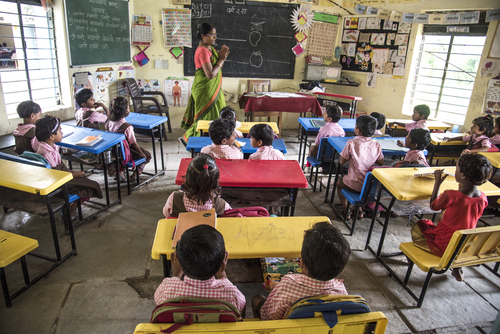
As heatwaves intensify, millions of Indian students face dangerous conditions in poorly ventilated schools and inflexible exam schedules. In his Hindustan Times column, Vital Signs, OHT’s Dr. Ramanan Laxminarayan, explains how extreme heat is making classrooms and exam halls increasingly unsafe for students across India, exacerbating educational inequity. He argues that heat is no longer only an environmental issue but also a public health and education crisis, disproportionately affecting students from low-income households who lack access to cooling, transport, or flexible learning conditions. Dr. Laxminarayan calls for heat-resilient education policies, including revised academic calendars, safer infrastructure, and emergency protections during extreme weather. [Hindustan Times]
India must leverage vaccines to fight antimicrobial resistance.
Vaccines should play a far greater role in tackling India’s growing antibiotic resistance crisis, argues OHT’s Dr. Ramanan Laxminarayan in the Hindustan Times. Vaccines against pneumococcal disease, influenza, and other infections can can prevent illness and sharply reduce unnecessary antibiotic prescriptions. In a country with high empirical antibiotic use, expanding adult and high-risk group vaccination could slow resistance and become a cornerstone of national AMR strategy. [Hindustan Times]
India’s dual opioid crisis
India faces two simultaneous opioid crises: widespread misuse and dependence in some regions, alongside severe undertreatment of pain for millions of patients with cancer and chronic illness. Dr. Ramanan Laxminarayan writes in the Hindustan Times that current policies are trapped in a false choice between prohibition and liberalization. He calls for a balanced public health approach that prevents misuse while ensuring legitimate medical access to essential pain relief. [Hindustan Times]
Main image from Shutterstock