April 28, 2026
Challenging outdated country classifications in global health
Income-based rankings from the World Bank are failing to reflect real health needs. A new commentary by OHT’s Dr. Ramanan Laxminarayan and colleagues challenges the World Bank’s longstanding practice of grouping countries solely by gross national income. Middle-income countries often lose critical donor support as they “graduate”, despite their health systems remaining fragile. The COVID-19 pandemic exposed this flaw, as World Bank groupings poorly predicted which countries would respond effectively. The authors call for a multidimensional classification system that factors in disease patterns, health infrastructure, social determinants, and resilience to crises such as pandemics and climate change. [The Lancet]
The critical role of vaccines in slowing antimicrobial resistance in Bangladesh
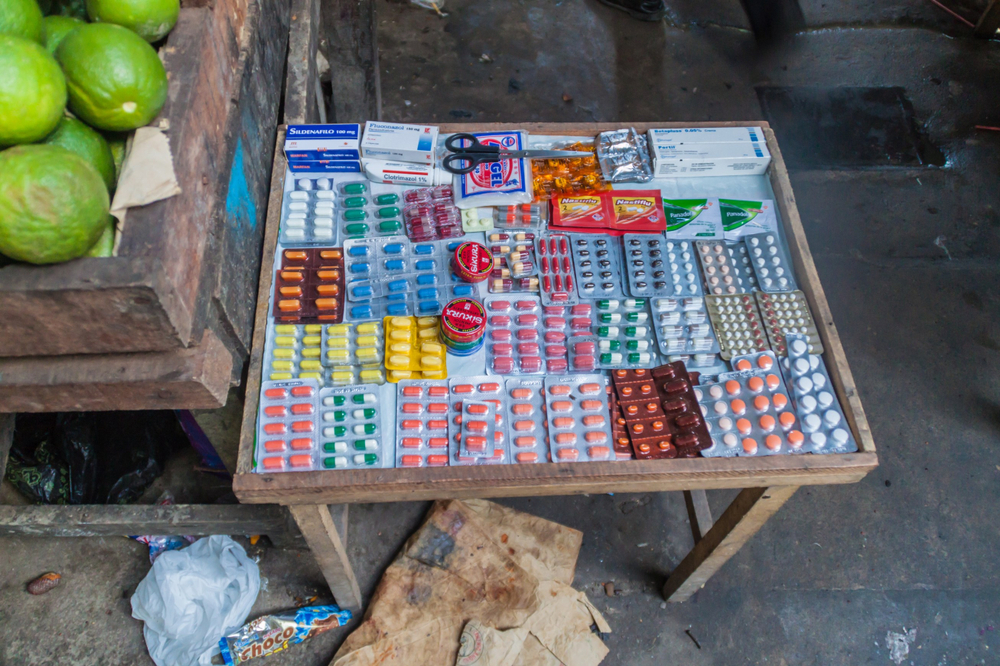
As Bangladesh transitions away from external vaccine funding, maintaining high immunization coverage is more important than ever, not just for disease prevention, but for fighting antimicrobial resistance (AMR). In an Op-Ed, OHT’s Rishiraj Bhagawati and Dr. Wasif Ali Khan from International Centre for Diarrhoeal Disease Research, Bangladesh, highlight that with around 97,000 AMR-related fatalities in 2021 and widespread antibiotic abuse, the nation already bears a heavy AMR burden. Vaccines against typhoid, rotavirus, and pneumococcal disease can significantly cut infections and reduce the need for antibiotics. Sustained access and coverage will be critical to prevent resistance from worsening during this funding shift. [Dhaka Tribune]
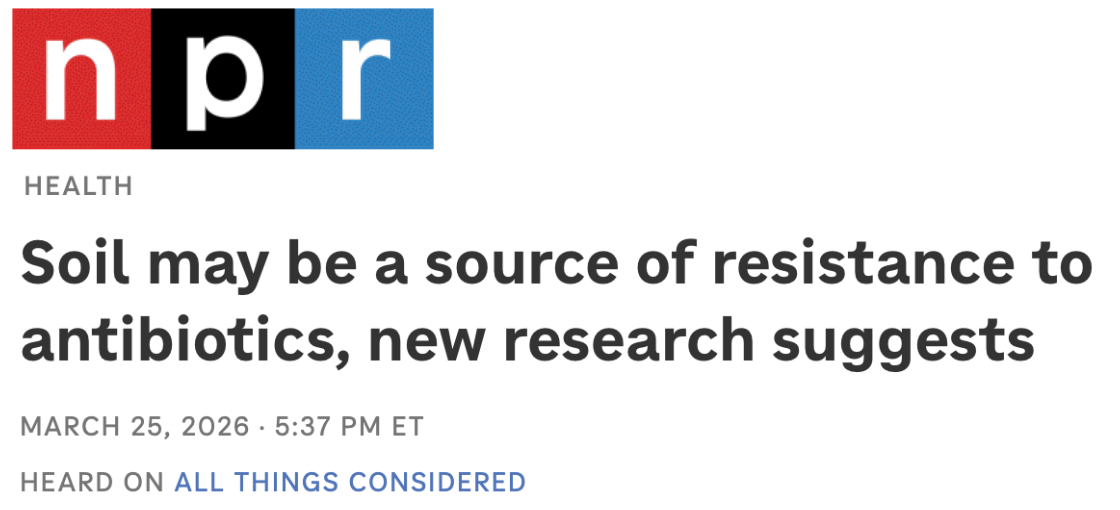
Drought may be driving antibiotic resistance in soil.
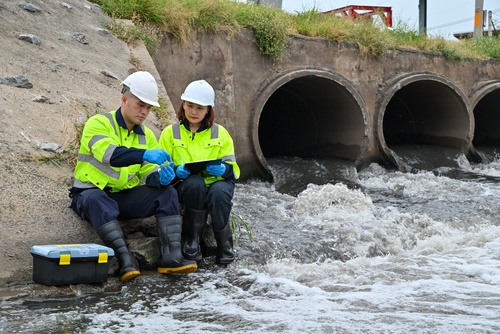
Drier soils around the world are becoming hotspots for antibiotic resistance genes, with potential consequences for human health. A new study in Nature Microbiology reveals that increased concentration of natural antibiotics in arid soils may intensify selection of antibiotic resistance genes. The study found that some resistance genes in hospital pathogens matched closely those in nearby soils, indicating that bacteria may transfer resistance from the environment into clinical settings through horizontal gene transfer. Data from 116 countries showed a correlation between soil aridity and hospital resistance levels, even after controlling for regional income differences. However, OHT’s Dr. Ramanan Laxminarayan cautions that linking soil resistance directly to hospital outcomes requires a lot more evidence given the many other factors that shape resistance in healthcare settings. [NPR]
Global health financing cuts threaten India’s public health gains.
Declining global health funding is highlighted as a significant threat to long-term public health advancement in Rishiraj Bhagawati’s latest blog post for OHT. Nearly 70 percent of countries have already seen disruptions to HIV, tuberculosis, malaria, and immunization services. In India, indirect effects are impacting vaccine markets, research collaborations, and disease surveillance systems. Bhagawati lays out how inconsistent, crisis-driven funding undermines long-term public health capacity, and he advocates for stronger domestic investment, more predictable finance, and better public health budget implementation. [One Health Trust]
Childhood immunization is shaping better educational and economic futures.
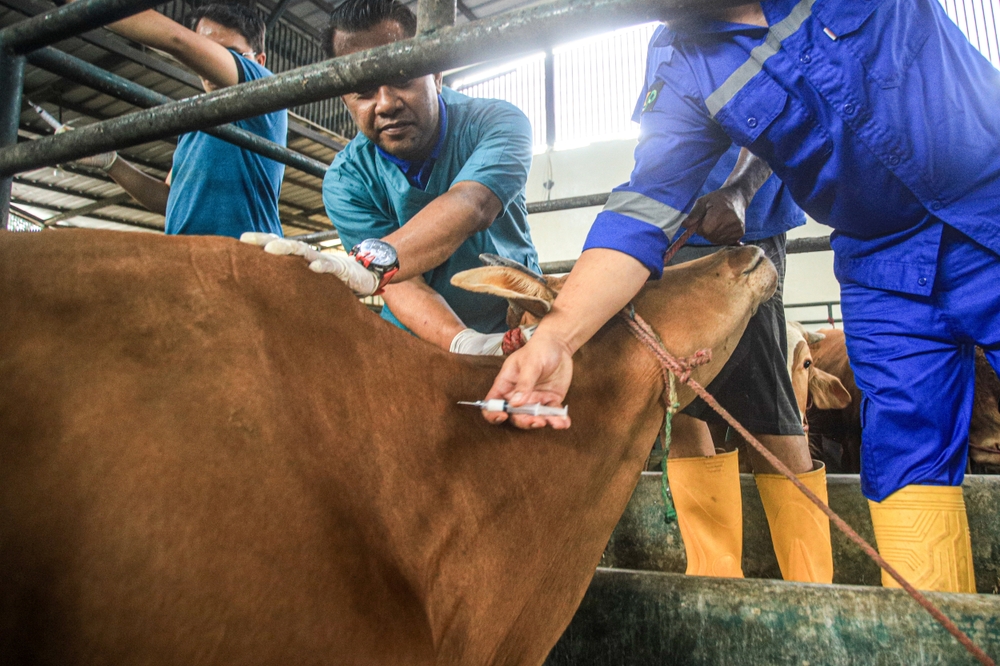
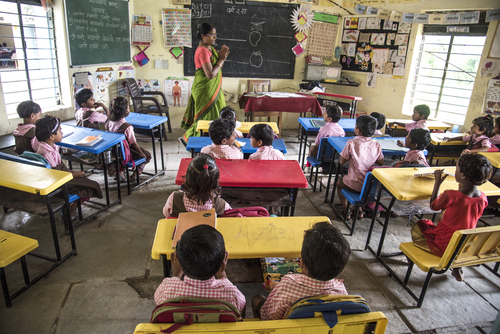
There is growing evidence that vaccines shape how children learn, progress through school, and fare as adults. New research by OHT’s Dr. Arindam Nandi and colleagues found that children born after India’s Universal Immunisation Programme rollout in the late 1980s completed roughly 0.2 to 0.3 additional years of schooling on average, with women gaining nearly one extra year. Similar findings emerged from Burkina Faso, where a 1984 vaccination campaign was linked to higher school enrollment and increased agricultural productivity decades later. Across multiple studies, benefits were greatest for children from the most disadvantaged households, suggesting that vaccination acts as an equity tool, narrowing gaps that infectious disease would otherwise widen. [Gavi]
Unaccompanied migrants and stateless people face major healthcare barriers in Ghana.
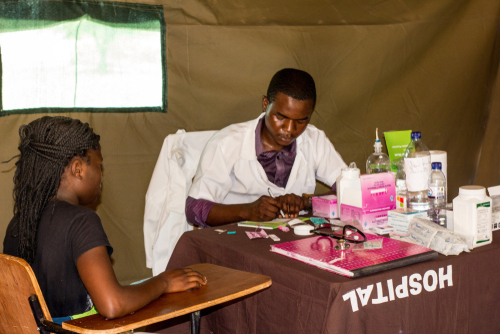
A qualitative study of 65 healthcare providers in Ghana examined how unaccompanied migrants and people at risk of statelessness engage with the health system. Providers described care-seeking among these populations as rare or crisis-driven, with financial hardship being the most frequently cited barrier, followed by lack of documentation and language differences. Providers reported high rates of communicable diseases including malaria and typhoid fever, as well as chronic conditions such as hypertension and diabetes exacerbated by malnutrition, and overcrowded living conditions worsened recurrent illness. Mental health needs were substantial but largely overlooked. The authors call for inclusive health financing, better provider training, and policy reforms to improve care for these populations. [Discover Social Science and Health]
Hospital practices and antibiotic use drive multidrug resistance in ICUs.
Multidrug-resistant infections pose a serious threat to patients in intensive care units, and they are shaped by both prescribing habits and institutional factors. A decade long study across 59 intensive care units in Chile discovered that while overall resistance dropped by 21 percent, levels varied widely by pathogen and settings. Higher use of quinolones and carbapenems was associated with a higher frequency of multidrug-resistant illnesses, while greater access to infectious disease specialists was linked to a decline in incidence. However adult and public hospital intensive care units showed higher rates than pediatric and private units. The study highlights the need for stronger antimicrobial stewardship and specialist oversight in high-risk environments. [The Lancet Regional Health- Americas]
Safe toilets could help curb rising kidney stone rates among Indian women.
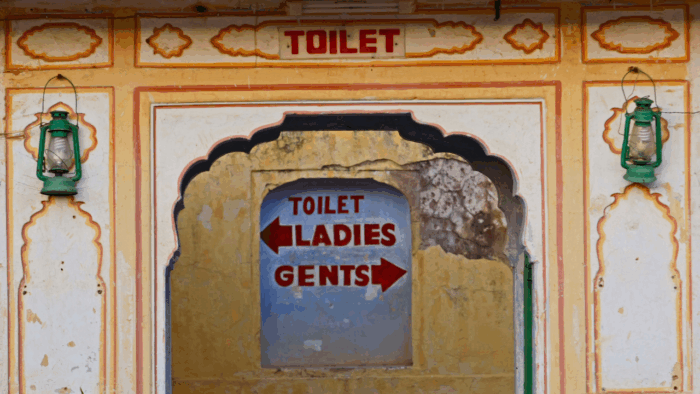
In his Hindustan Times column, OHT’s Dr. Ramanan Laxminarayan draws attention to the rising burden of kidney stones in India, particularly among women. Climate change, shifting diets, and obesity are well-known contributors, but Dr. Laxminarayan highlights lack of access to safe sanitation as another significant driver. Women who avoid drinking water or delay using public toilets because they are unsafe or lack privacy, face greater risk. Simply building more toilets is not enough if they lack regular cleaning, water supply, and lighting. A truly developed country, he argues, is one in which no young woman develops kidney stones because of a lack of safe toilets. [Hindustan Times]
India’s diaspora: beyond remittances, toward development impact
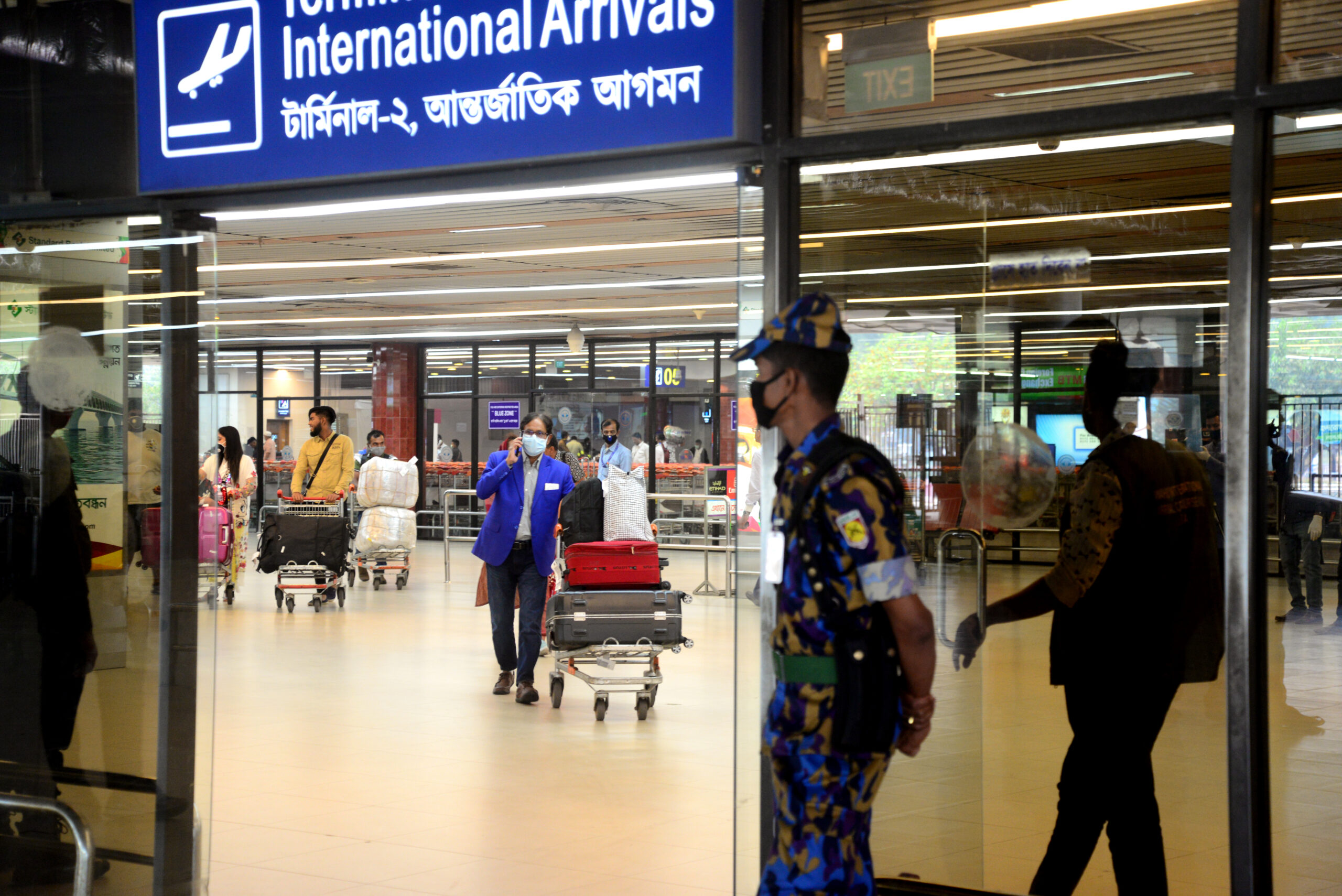
India’s overseas diaspora represents far more than financial remittances — it’s a powerful engine for long-term national progress. In his column, Vital Signs, Dr. Ramanan Laxminarayan notes that while remittances remain important, their influence is frequently limited to household spending rather than long-term structural change. Greater gains could come from leveraging diaspora expertise in knowledge sharing, research collaboration, innovation, and institutional growth. Stronger institutional ties, simpler cooperation platforms, and supporting policies are needed to fully realize this potential in technology, healthcare, and education. Increasing the diaspora’s involvement in these fields would enable India to more successfully use international knowledge for long-term social and economic advancement. [Hindustan Times]
A national service corps to tackle youth employment and build India’s future
India’s youth unemployment crisis needs bold thinking. OHT’s Dr. Ramanan Laxminarayan proposes a National Development Corps– a one-year mandatory service program after high school. With youth unemployment rates between 10-12 percent (even higher among high school graduates), the program could connect service to access public employment and postsecondary education. While obtaining useful skills, participants would contribute to agricultural development, health systems, and educational initiatives. Estimated to cost roughly 0.3 percent of GDP, the model aims to develop human capital and social cohesion and create a clear pathway to employment. [Hindustan Times]
Main image from Shutterstock