May 12, 2026
Vaccines as a frontline tool against AMR in India
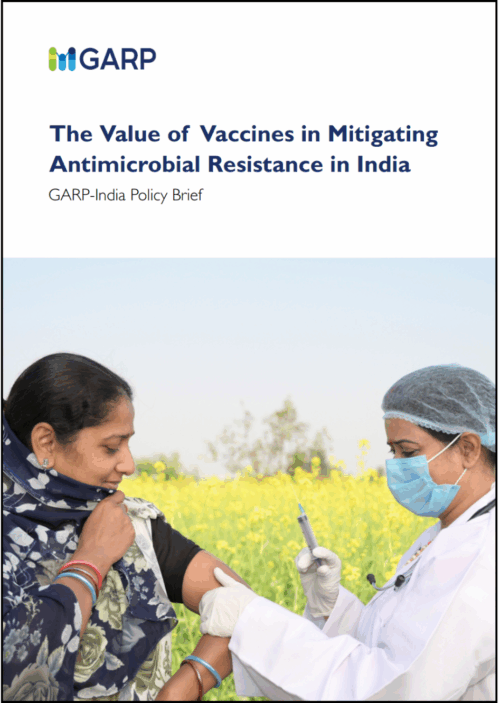
Antimicrobial resistance (AMR) claims an estimated 267,000 lives in India each year and contributes to nearly a million more deaths — a toll that puts the country among the world’s hardest hit. A new policy brief from the Global Antibiotic Resistance Partnership (GARP)-India, a joint initiative of Christian Medical College Hospital and the One Health Trust, makes the case that vaccines are critical in the fight against AMR. Drawing on expert insights from a national technical working group convened at CMC Vellore, the brief lays out a phased roadmap for using immunization to curb antibiotic consumption and slow the spread of resistance. The typhoid conjugate vaccine (TCV) and pneumococcal conjugate vaccines (PCVs) top the list of high-priority interventions, with strong evidence that they reduce both disease burden and antibiotic use. In alignment with India’s National Action Plan on AMR (2025–2029), the brief calls for expanded adult immunization, domestic production of higher-valency vaccines, and stronger integration of vaccination into national AMR surveillance and stewardship efforts. [One Health Trust]
Drought may increase antibiotic resistance in soil.
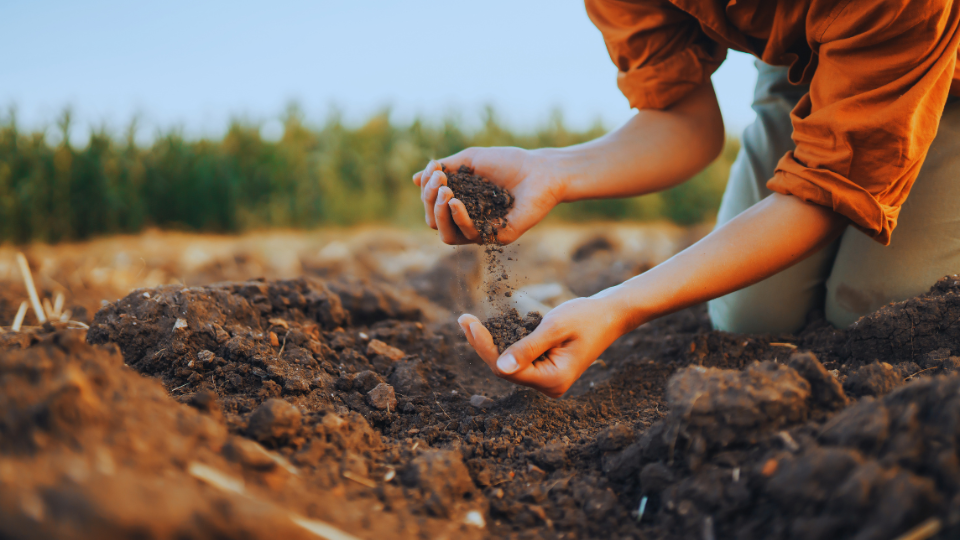
Drought is a driver of antibiotic resistance in soil, according to a study examining multiple soil types and geographic regions. When soils dry out, naturally occurring antibiotics become more concentrated, killing off bacteria that lack defenses and leaving resistant strains to thrive. Clinical data from 116 countries showed that hospital antibiotic resistance rates track closely with how dry a region is, even after accounting for wealth differences between countries. The findings suggest that as droughts become more common due to climate change, resistance may worsen in ways that have little to do with how antibiotics are prescribed. [Nature Microbiology]
The dual role of azoles: lifesaving antifungals and drivers of resistance
A new review discusses how azole compounds—widely used as antifungals in human medicine, veterinary care, and agriculture—simultaneously save lives and drive antifungal resistance. The authors trace azole development, mechanisms of action, and use across sectors, highlighting how environmental exposure has accelerated resistance in Aspergillus fumigatus – a fungus that can cause a range of diseases in humans, from mild allergic reactions to life-threatening infections. Azole use in agriculture has been implicated in the emergence of resistant strains that threaten patients with invasive fungal infections. Coordinated One Health stewardship across all sectors is critical to preserving azole efficacy. [Nature Communications]
Long-term warming accelerates antibiotic resistance in grassland soils.
A decade-long experimental warming field trial revealed that sustained temperature increases raise antibiotic resistance gene abundance in grassland soils. Warmer conditions promoted horizontal gene transfer of resistance genes and favored certain bacteria that are both more likely to carry resistance genes and, in some cases, capable of infecting plants. Mechanistic analyses indicate that resistance genes are co-selected alongside heat tolerance genes, allowing them to spread even without direct antibiotic pressure. The study supports other research identifying climate warming as an underappreciated driver of environmental AMR. [Nature]
Use of newer antibiotics fail to reduce deaths from highly drug-resistant infections.
Despite a nearly 300 percent increase in use of newer antibiotics in U.S. hospitals between 2016 and 2023, mortality rates for patients with highly drug-resistant infections remained unchanged. A retrospective cohort study identified delayed pathogen identification as a big part of the issue: more than three-quarters of patients initially received ineffective treatment because the resistant pathogen was not identified quickly enough. Access to newer drugs is simply not enough without timely diagnostics and treatment. [The Lancet Infectious Diseases]
Climate change amplifies El Niño’s role in driving dengue outbreaks.
A multicountry modeling study shows the impact of anthropogenic climate change on the dengue burden linked to El Niño weather patterns. El Niño events (periods of unusually warm Pacific Ocean temperatures that alter weather globally) are known to drive dengue outbreaks by creating conditions favorable for the mosquitoes that spread the virus. Using data from across the Americas and Asia, the authors find that a substantial share of El Niño-linked dengue cases are attributed to human-induced climate warming, and that future outbreaks are expected to rise further as climate change intensifies these weather patterns. [The Lancet Planetary Health]
Norovirus in irrigation water raises food safety concerns.
Irrigation water may be an unrecognized source of norovirus transmission to consumers and crops. A study in China examining 200 irrigation water samples from 27 cities, found norovirus in 8.5 percent of the samples. Samples taken in the winter were more likely to test positive than those taken in the spring, indicating a considerable seasonal change in detection rates. The findings demonstrate how fresh produce may carry viral infections from contaminated irrigation water into the food chain. Additionally, they stress the necessity of integrated One Health surveillance that links environmental monitoring, food safety systems, and public health readiness. [One Health Advances]
What the Irish potato famine continues to teach us about global health
The Great Irish Famine (from 1846 to 1852) remains one of history’s most sobering examples of how agricultural collapse, food insecurity, and public health failures can cascade into full scale humanitarian catastrophe. A new review highlights not only the immediate toll of widespread starvation and infectious disease outbreaks, but also the long-lasting biological and transgenerational health impacts. Lessons from the period reveal how integrated approaches to global health security, climate preparedness, and food system resilience are more critical now than ever. [Journal of Plant Diseases and Protection]
Conflicts are disrupting disease surveillance systems.
Geopolitical conflicts are increasingly interfering with scientific approaches to study and monitor animal migration and disease transmission. Researchers tracking black-headed gulls traveling between Europe and Russia found that military disruption of satellite navigation systems interfered with GPS signals, leading to faulty migration data in 2024 and 2025. These disruptions are compromising efforts to locate breeding grounds, track migratory routes, and evaluate zoonotic disease risks, including H5N1 avian influenza. In conflict zones, electronic warfare is quietly compromising ecological surveillance, conservation planning, and One Health disease monitoring. [Ambio]
India’s food security remains deeply tied to the Persian Gulf.
India’s agricultural system is deeply dependent on stability in the Persian Gulf. A significant share of the country’s crude oil and fertilizer imports, vital for farming, irrigation, transport, and food distribution, originate from the region. In his Vital Signs column, OHT’s Dr. Ramanan Laxminarayan warns that disruptions from trade volatility or geopolitical war may increase food costs and strain domestic production. Strengthening resilience will require boosting local manufacturing capacity, diversifying supply chains, and lowering long-term reliance on unstable external markets. [Hindustan Times]
India cannot afford to lag in the global climate transition.
India has withdrawn its bid to host COP33, stepping back from a leadership role it had pledged at the 2023 Dubai summit. In his Hindustan Times’ column, Dr. Ramanan Laxminarayan argues that although the decision reflects the familiar anxiety (and valid concern) that serious climate commitment comes at the cost of economic growth, it may be unfounded. The transition to low-carbon economies and sustainable energy is vital to India’s economic resilience. India spends roughly $137 billion annually on oil imports — over 85 percent of its consumption — leaving its economy exposed to volatile global markets and geopolitical shocks in the Persian Gulf. Dr. Laxminarayan stresses that with half its population dependent on climate-vulnerable agriculture and record heat, floods, and droughts already eroding rural livelihoods, India has both the credibility (50 percent non-fossil power capacity, five years ahead of schedule) and the urgent need to lead. [Hindustan Times]
Main image from Canva