September 24, 2026
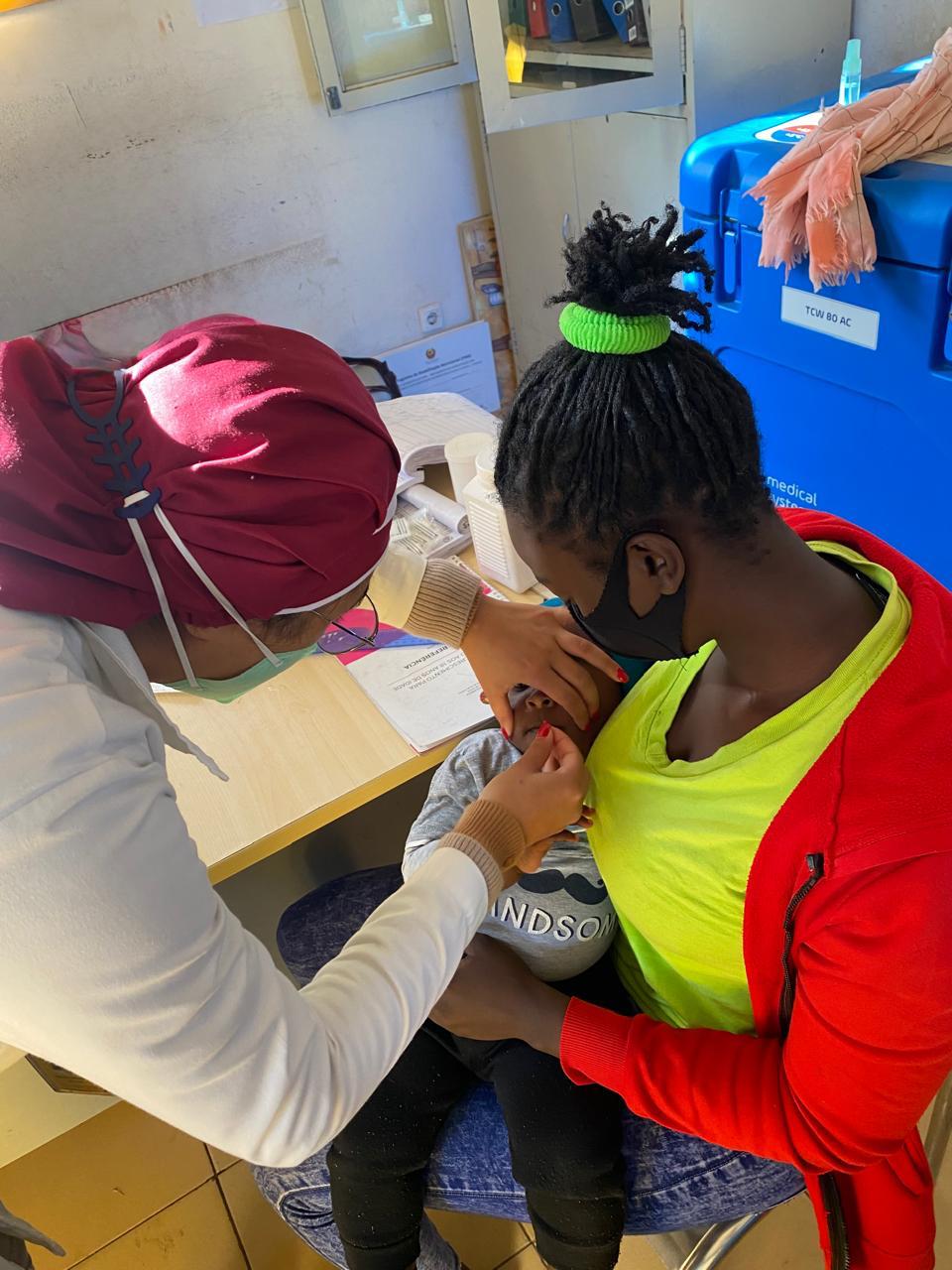
Antimicrobial resistance (AMR) is a major and growing public health challenge in Mozambique, where high infectious disease burden; limited health-system capacity; and gaps in water, sanitation, and hygiene (WASH) infrastructure create conditions that can accelerate the emergence and spread of drug-resistant infections. Vaccination and infection prevention are vital strategies in efforts to control AMR because they prevent infections and, consequently, the need for antimicrobial use.
Mozambique’s population reached 34.6 million in 2024, with approximately 64 percent living in rural areas. Although life expectancy has improved substantially since 2000, communicable diseases and maternal, neonatal, and nutritional conditions remain major contributors to mortality. HIV/AIDS, neonatal disorders, malaria, lower respiratory tract infections, and tuberculosis were among the leading causes of death in 2023. At the same time, health-system financing remains constrained: health expenditure was 8.5 percent of GDP in 2023, while government health spending per capita was only US$14.01. In 2022, the Universal Health Coverage service coverage index was 50/100, and 30 percent of the population experienced financial hardship from out-of-pocket health spending.
AMR adds substantially to this disease burden. Mozambique ranks among the 10 countries globally with the highest age-standardized mortality rates associated with AMR. In 2021, AMR directly contributed to an estimated 5,760 deaths and was associated with an additional 24,500 deaths. Available studies, although limited, document resistance across human, animal, and environmental settings. For example, Staphylococcus aureus isolates from pediatric inpatients in Maputo Province showed high resistance to penicillin and substantial resistance to tetracycline. Resistant E. coli and Klebsiella species have also been detected in drinking-water sources, while antibiotic-resistant bacteria have been identified in livestock.
Taken together, the evidence points to a One Health challenge in which resistant organisms can circulate among health-care settings, communities, animals, and the environment. Mozambique’s response to AMR must include vaccination. By preventing infections in the first place and reducing antimicrobial use, vaccines tackle key drivers of AMR and reduce infectious disease burden. This policy brief provides evidence and expert recommendations on how to best leverage vaccines in the effort to control AMR in Mozambique.
Key Recommendations for Leveraging Vaccinations to Address AMR in Mozambique:
- Strengthen immunization programs to increase vaccine coverage, and implement targeted catch-up vaccination campaigns, particularly for under immunized populations and regions with historically low uptake of vaccines such as measles, PCV, and rotavirus.
- Integrate clear, specific, and measurable vaccination targets into broader AMR strategies, including updates to the National Action Plan on AMR. Policymakers should be actively engaged to prioritize these targets, building on existing frameworks and aligning with WHO guidance on vaccines as a tool for reducing antibiotic demand.
- Incorporate childhood vaccination sensitization into grassroots and community AMR awareness campaigns, highlighting how routine immunization prevents infections, reduces unnecessary antibiotic use, and helps mitigate health and economic costs related to hard-to-treat drug resistant infections.
This publication was written by the Global Antibiotic Resistance Partnership (GARP)-Mozambique, a group of experts led by researchers from the School of Medicine at Eduardo Mondlane University (Universidade Eduardo Mondlane- Faculdade de Medicina) and the One Health Trust.
GARP-Mozambique Technical Working Group members:
Esperança Sevene, (Chair) Assistant Professor of Clinical Pharmacology, Faculty of Medicine, Eduardo Mondlane University (EMU) and Associate Researcher, Manhiça Health Research Center (MHRC); Betuel Sigauque, (Co-Chair) Director at John Snow Incorporated; Aureliana Chambal Chilengue, (Coordinator) Former ASM Young Ambassador to Mozambique Researcher, Faculty of Medicine, EMU; Abrão Lemos, National Regulatory Authority for Medicines; Aquino Nhantumbo, National Institute of Health (NIH); Baltazar Candrinho, Director of Malaria Control Program; Camélia Narciso Boa, Microbiology Laboratory, Central Hospital of Maputo; Cristiano Macuamule, Senior Lecturer of Pharmacology and Toxicology, Veterinary Faculty, EMU; Delfino Vubil, Senior Clinical Researcher, MHRC; Helena Boene, Researcher, MHRC; Inácio Mandomando, Responsible for the neglected bacterial, viral, and tropical diseases area, MHRC; Inocêncio Mate, NIH; José Sumbana, Microbiology, Faculty of Medicine, EMU; Mara Soares, Researcher, Faculty of Medicine, EMU; Márcio Gonzaga, Ministry of Economy; Tomas Zimba, High Institute of Health Sciences of Mozambique; Zuleca Cassamo, AMR Focal Point, Food and Agriculture Organization of the United Nations
One Health Trust:
Oluoma Agiri, Oluwatosin Ajayi, Harry Street, Felix Bahati, Samantha Serrano, Erta Kalanxhi
Download the policy brief, “The Role of Vaccines in Mitigating Antimicrobial Resistance in Mozambique,” here.