October 07, 2026
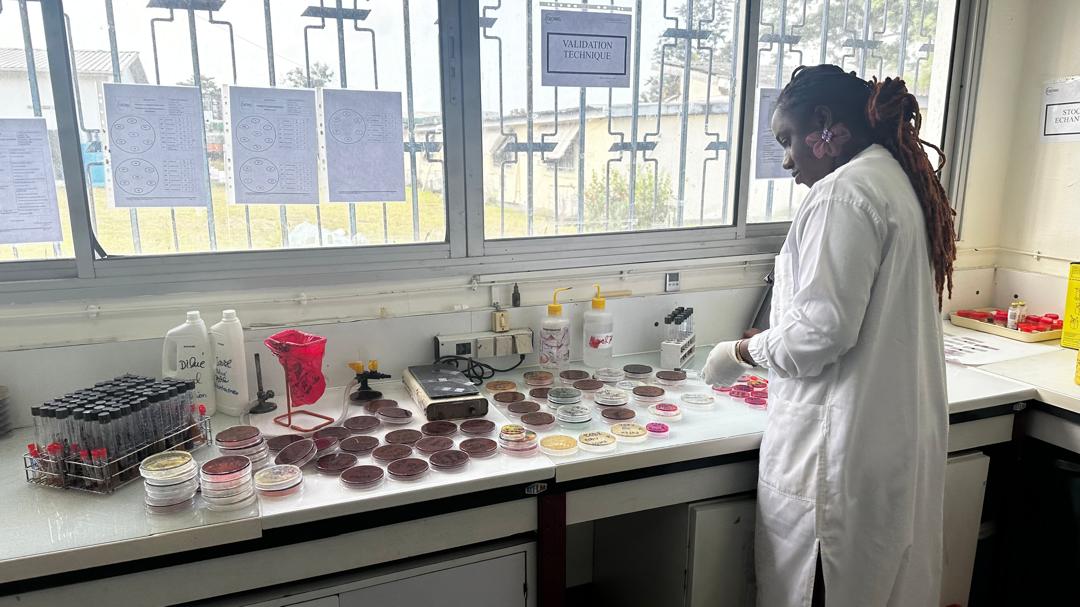
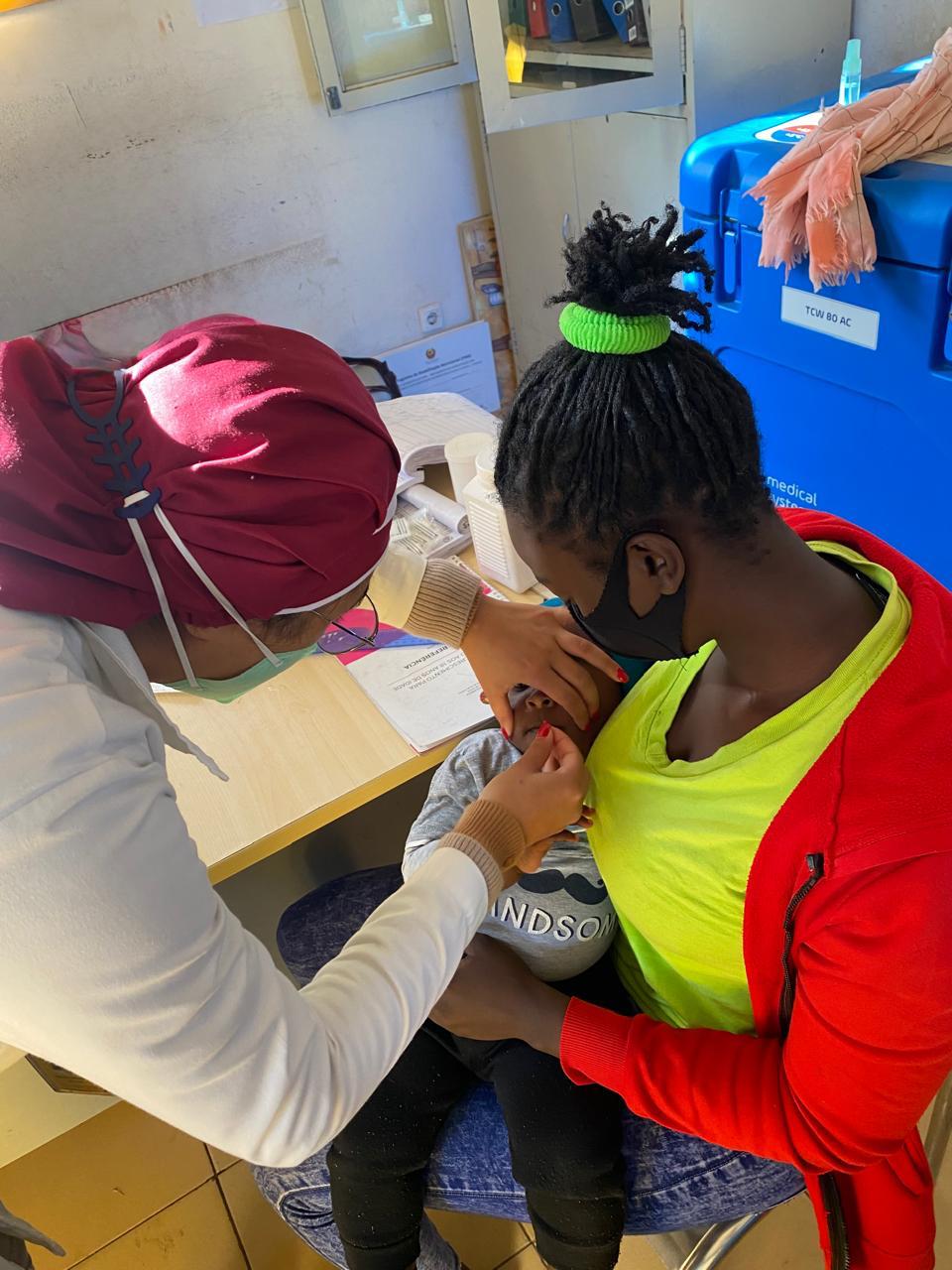
Antimicrobial resistance (AMR) poses an urgent and growing threat to public health in Côte d’Ivoire, undermining the effectiveness of essential medicines and increasing the burden and cost of infectious diseases. While efforts to address AMR have traditionally focused on responsible antibiotic use, surveillance, and infection prevention and control, vaccination offers an important and complementary approach to reducing infections and the need for antibiotics. This Global Antibiotic Resistance Partnership (GARP)-Côte d’Ivoire Policy Brief, written by experts led by the One Health Trust and CeDReS (Centre de Diagnostic et de Recherche sur le Sida et les autres maladies infectieuses), examines the role of vaccines in preventing diseases, reducing antibiotic consumption, and strengthening Côte d’Ivoire’s resilience to AMR, while identifying key policy priorities to expand and sustain the impact of immunization.
EXECUTIVE SUMMARY
Antimicrobial resistance (AMR) is a growing public health challenge that compromises the efficacy of life-saving medications and exacerbates the burden of infectious diseases. It is currently among the leading causes of death in Côte d’Ivoire, where resistance to routinely used antibiotics is driven by overuse and inappropriate use, often a consequence of poor diagnostic capabilities, unregulated sales, and inadequate access to high-quality drugs.
Vaccines are a potent yet underutilized strategy for mitigating AMR in Côte d’Ivoire. By preventing infections and reducing antibiotic use, vaccines limit the emergence and spread of drug-resistant bacteria and slow the development of AMR. The pneumococcal conjugate vaccine, the Haemophilus influenzae type b vaccine, the rotavirus vaccine, the typhoid conjugate vaccine, and the malaria vaccine have been shown to significantly reduce disease incidence or antibiotic consumption, while also generating substantial economic returns.
Since its establishment in 1978, the Expanded Program on Immunization in Côte d’Ivoire has made significant strides in introducing several vaccines that have contributed to a reduction in child mortality. However, immunization rates are inconsistent across the country, with lower uptake in rural and underdeveloped areas. These gaps increase the risk of infectious diseases and AMR and exacerbate the healthcare burden at societal and individual levels.
Vaccines are not only a public health intervention but also a significant investment in the country’s resilience against AMR. This policy brief summarizes key areas and priority initiatives that leverage vaccines as tools to mitigate infectious diseases and AMR in Côte d’Ivoire.
Key Recommendations for Leveraging Vaccinations to Address AMR in Côte d’Ivoire:
- Maintain high coverage of all available vaccines, including rotavirus, pneumococcal conjugate, yellow fever, meningococcal, Haemophilus influenzae type b, and Bacillus Calmette-Guérin vaccines.
- Integrate AMR objectives into the national immunization policy and include AMR-sensitive indicators in routine vaccine monitoring.
- Improve vaccine uptake through maternal and caregiver engagement, and address known socioeconomic barriers regarding vaccination schedules in the country.
- Create specific domestic funding channels for vaccines that demonstrate high impact on AMR and use evidence of cost-effectiveness to advocate for continued partner and domestic co-financing.
GARP-Côte d’Ivoire Technical Working Group members:
Professor Timothée Ouassa, Microbiologist, Centre de Diagnostic et de Recherche en Santé (CeDReS) (GARP–Chairperson); Dr. Alfred Douba, Associate Professor, Epidemiologist, Institut National d’Hygiène Publique (INHP) (Vice-Chairperson); Dr. Anani Badje, Epidemiologist, Programme PACCI; Dr. Adama Doumbia, Associate Professor, Infectious Disease Specialist, Infectious and Tropical Diseases Department, Treichville Teaching Hospital; Dr. Valerie Gbonon, Research Fellow, Deputy AMR Focal Point, Institut Pasteur de Côte d’Ivoire; Professor André Inwoley, Immunologist, CeDReS; Dr. Alain Kacou, Hospital Pharmacist, Angré Teaching Hospital; Dr. Michel Konan, Associate Professor, Head of Internal Medicine Department, Treichville Teaching Hospital; Dr. Bi Tah N’guessan, Economist, UFR Sciences Économiques et de Gestion, Université Félix Houphouët-Boigny; Dr. Gneneyeri Joseph Outtara, Assistant Professor, Pediatrician, Treichville Teaching Hospital; Dr. Affou Séraphin Wognin, Research Fellow, Centre de Recherche Anti-pollution (CIAPOL); Dr. Kouadio Alain Marc Yao, Veterinarian, Directorate of Veterinary Services, Ministry of Agriculture and Halieutic Resources; Dr. Richmond Djatchi, Microbiologist CeDRes (GARP-Côte d’Ivoire Coordinator)
One Health Trust:
Dr. Oluwatosin Ajayi, Mr. Felix Bahati, Mr. Rishiraj Bhagawati, Mr. Harry Street, Dr. Samantha Serrano, Mr. Shreyas Satish Kumar, Dr. Erta Kalanxhi
Download the policy brief in English, here.
Download the brief in French, here.