November 03, 2026
Considerations for vaccine studies evaluating impact on AMR
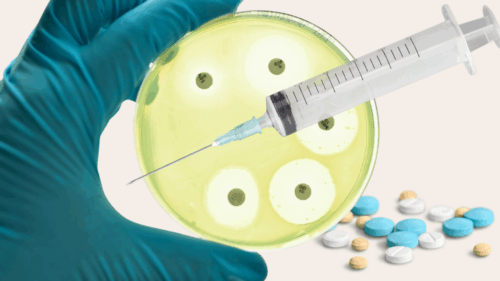
Although the contribution of vaccines to tackling antimicrobial resistance (AMR) is recognized, real-world evidence quantifying their effects on drug resistance and antibiotic use is needed to inform national vaccination decisions. A WHO report outlines AMR outcomes, indicators, and methodologies for measuring these effects in real-world studies. Drawing on expertise from AMR and Immunization departments, the report provides standardized guidance for researchers, vaccine developers, funders, policymakers, and national immunization advisory groups to generate evidence that can inform vaccine prioritization. [The World Health Organization]
Vaccines offer an underused tool to combat antimicrobial resistance in Côte d’Ivoire.
Vaccines can help Côte d’Ivoire tackle antimicrobial resistance (AMR) and save families from catastrophic spending linked to hard-to-treat infections. This is one of the key messages from the recent Global Antibiotic Resistance Partnership (GARP)-Côte d’Ivoire policy brief. National experts emphasize evidence from vaccines against pneumococcal disease, Haemophilus influenzae type b, rotavirus, typhoid, and malaria, which can reduce disease burden and antibiotic consumption while delivering economic benefits. Experts stress, however, that immunization coverage remains uneven, particularly among people living in rural and underserved areas at risk of infections and drug resistance. Key recommendations include maintaining high vaccine coverage, integrating measurable AMR objectives into national immunization policy, addressing barriers to uptake, and securing sustained domestic funding for vaccination programs. [One Health Trust]
Shared coyote-dog parasites in Costa Rica carry One Health implications.
Coyotes and domestic dogs in Costa Rica carry shared intestinal parasites, potentially leading to overlapping health risks among wildlife, pets, and humans. A recent study examining samples from 31 coyotes and 149 dogs detected the hookworm Ancylostoma caninum in 38.7 percent of coyotes and 25.7 percent of dogs. Genetic similarities suggested recent parasite exchange between the two hosts, with infection risk being higher in fragmented habitats and areas bordering towns than in protected areas. The findings warrant coordinated surveillance across wildlife and domestic animals, particularly in human-modified landscapes where parasites capable of infecting people may circulate. [Parasites & Vectors]
Support for One Health outpaces understanding of its everyday connections.
People may recognize the urgency of protecting human, animal, and environmental health while struggling to contextualize it in daily life. Among 92 respondents at a University of Veterinary Medicine Vienna open house, 83.7 percent rated coordinated One Health action as highly urgent. Yet only 10.9 percent correctly identified how preparing a fresh salad could connect animal husbandry, the environment, and human health. Everyday examples offered by participants largely focused on separate environmental or food-related concerns, with animals and agriculture receiving little attention. Although not representative of the wider public, the findings suggest that brief, concrete examples could help translate concern into practical understanding and engagement. [One Health]
Drug-resistant infections are adding to the global burden of hospital-acquired infections.
Hospital-acquired infections remain a serious threat to patient safety, with the burden appearing highest in Asia and Africa, according to a global review of 59 studies across 25 countries. The review found an overall observed prevalence of 15.72 percent, although substantial differences between studies imply this figure should be interpreted cautiously. Respiratory tract infections, urinary tract infections, and surgical site infections were the most frequently reported, while common pathogens included Staphylococcus aureus, Escherichia coli, and Pseudomonas aeruginosa. Drug resistance adds to the challenge: more than half of the S. aureus isolates were methicillin-resistant. The authors call for stronger infection prevention, antimicrobial stewardship, diagnostic capacity, and standardized surveillance, particularly in high-burden settings. [BMC Infectious Diseases]
Mapping wetland environments could strengthen bird flu surveillance.
Consistent monitoring of environmental conditions could help researchers better interpret bird flu surveillance data as highly pathogenic avian influenza spreads across regions and species. Environmental information is increasingly important to One Health surveillance, but inconsistent collection and organization can make it difficult to compare sites or incorporate ecological conditions into disease analyses. Researchers used digital mapping tools in nine wetlands in north-eastern Italy to turn environmental observations into standardized geographical records. By connecting field observations with a shared spatial database, the approach provided a foundation for examining how local environments are related to infection patterns and supporting future disease risk assessments. [International Journal of Health Geographics]
Widespread inappropriate use of broad-spectrum antibiotics among hospitalized COVID-19 patients
A global cohort study across 64 countries found that antibiotics were prescribed to 75.6 percent (n=341,125) of hospitalized COVID-19 patients with available prescribing data, even though clinically suspected or confirmed co-infections were reported in only 7.9 percent of the overall cohort. Most prescriptions involved broad-spectrum “Watch” antibiotics, raising concerns about their contribution to antimicrobial resistance. Among patients with microbiological results available (N=4,237), 42.8 percent had multidrug-resistant bacteria. Empirical antibiotic use was associated with higher 28-day in-hospital mortality in mild to moderate cases (adjusted hazard ratio 1.80, 95% CI 1.36–2.38) and severe to critical cases (1.16, 1.08–1.24), suggesting the low clinical utility of antibiotic prescribing for viral infections, and warranting a more in-depth investigation of the individual-level risks associated with antibiotic use. [The Lancet Microbe]
Viruses in livestock manure may help shape antibiotic resistance.
A global survey of over 4,000 livestock manure metagenomes uncovered a vast and largely unknown community of viruses that are associated with antibiotic-resistant bacteria. By reconstructing 1.3 million viral groups from 4,017 DNA sequencing datasets from farms across the world, the authors assembled the first global catalogue of viruses living in livestock manure. More than 99 percent of the sequences did not match those in existing livestock virus databases. However, between 5.6 and 28.9 percent matched sequences in human gut virome databases. Antibiotic use and farming scale were the strongest predictors of viral diversity. While only a small fraction of antibiotic resistance genes (ARGs) were detected in viral sequences lysogenic interactions, (in which viral DNA is integrated into the bacterial genome) among ARG-carrying host bacteria suggest the need for more research to establish their significance and potential role in shaping AMR in farm environments. [Nature Communications]
Deaths from priority antibiotic-resistant bacteria show severe regional and age disparities.
The number of deaths due to antibiotic-resistant bacteria listed on the World Health Organization’s Priority Pathogens List has increased from approximately 292,000 in 1990 to 483,000 in 2021, with heavy disparities across geographical regions and age groups. Global burden estimates reveal that while mortality rates dropped for newborns and children under five years of age, they increased among middle-aged and elderly populations, particularly in cases involving Escherichia coli and Staphylococcus aureus infections. The greatest regional increase in mortality was seen in eastern Europe, whereas high-income Asia Pacific had the largest decline. In response, the authors recommend considering more equity-oriented interventions with a focus on strengthening surveillance and prevention in the context of local pathogens and age groups. [BMJ Public Health]
Vaccination can reduce antibiotic use and drug-resistant infections.
Vaccination can help preserve antibiotic effectiveness by preventing infections, reducing antibiotic demand and protecting against drug-resistant infections. Evidence from 74 studies published between 1999 and 2025 was most compelling for two outcomes: influenza vaccines reduced antibiotic prescribing, while pneumococcal conjugate vaccines reduced disease caused by resistant vaccine-targeted strains. For pneumococcal disease, long-term U.S. surveillance recorded a decline in disease caused by bacteria with reduced susceptibility to antibiotics from 43.9 to 3.2 cases per 100,000 children under 5. However, benefits varied across vaccines, seasons, and settings, with increases in pneumococcal types not covered by the vaccines complicating conclusions about the overall resistance burden. These findings support integrating vaccination with better prescribing, diagnostics, and sustained monitoring to strengthen efforts to preserve antibiotic effectiveness. [BMC Infectious Diseases]
Genetic clues give an incomplete picture of vivax malaria resistance.
A scoping review of 25 studies in Southeast Asia highlights the lack of standardized surveillance for the growing challenge of Plasmodium vivax antimalarial resistance. The review found widespread antifolate resistance mutations, with mutations of resistance to sulfadoxine-pyrimethamine frequently reported in Cambodia, Myanmar, and Thailand. Evidence for other drug-resistance markers was less clear, with genetic markers for chloroquine resistance showing inconsistent links to treatment outcomes, and the review identified no validated marker of artemisinin resistance. These findings reveal significant gaps in current surveillance methods. Additionally, surveillance and data disparities across countries made regional resistance patterns difficult to assess. To address these gaps and guide treatment guidelines, researchers recommend combining genetic surveillance, laboratory drug testing, and monitoring of patient outcomes. [BMC Infectious Diseases]
Stronger local One Health leadership could improve Africa’s Rift Valley fever response.
Nearly a century after its first detection in 1930, Rift Valley fever (RVF) remains a recurring and geographically expanding threat across Africa. About half of African Union member states have national One Health strategies, but their highly centralized systems often miss local early warnings that are pivotal to containing RVF. A commentary calls for giving local governments the authority and resources to act sooner, enabling communities to use ecological signals and climate data to act before outbreaks escalate. For example, linking livestock abortion reports with human health surveillance and rainfall forecasts could trigger vaccination and mosquito control, helping contain outbreaks. The authors recommend predictable local funding and bringing in farmers and community health workers in early warning systems to benefit from early community disease reports. [The Lancet Regional Health – Africa]
Youth protests grow when education no longer promises a better future.
Youth unrest reflects not only unemployment, but a growing gap between what education promises and what job markets deliver, argues OHT’s Dr. Ramanan Laxminarayan in the Hindustan Times. In India, millions of graduates compete for limited jobs, while leaked exam papers and cancelled recruitment tests undermine confidence in a fair path to employment. This illustrates a wider pattern observed globally where educated young people face shrinking opportunities, perceive the system as unfair, and lose trust that their grievances will be addressed. Dr. Laxminarayan warns that when young people lose faith in both economic opportunity and political institutions, frustration can spill into street protests. Expanding meaningful employment and restoring trust in public institutions are essential to reversing this trend. [Hindustan Times]
India’s economic ambitions depend on making room for women at work.
India’s young population cannot deliver a demographic dividend while so many women remain outside the workforce. In his Hindustan Times column, Vital Signs, OHT’s Dr. Ramanan Laxminarayan examines why rising education has not translated into employment for women. Safety concerns, caste and gender norms, a shortage of suitable jobs, and limited control over earnings constrain their opportunities. Evidence from wage payments into women’s own bank accounts and Tamil Nadu’s investment in housing near industrial workplaces shows how practical changes can help. Expanding safe transport, childcare, suitable employment, and financial autonomy could bring more women into paid work, advancing both economic growth and women’s ability to shape their own lives. [Hindustan Times]