May 21, 2026
The launch of a policy brief on the value of vaccines in mitigating antimicrobial resistance (AMR) in Kenya marks an important milestone in national efforts to confront one of the most pressing threats to global health today. Organized by the One Health Trust and the Kenya Medical Research Institute (KEMRI), the gathering in Nairobi brought together policymakers, researchers, journalists, and health practitioners united by a shared commitment to ensure that people have access to effective antibiotics and tools to prevent infections from happening in the first place. At the heart of the event was the policy brief itself, which offered evidence-based recommendations for reducing the overuse of antibiotics by making better use of vaccines that are already available.
In his opening remarks, Dr. Robert Onsare, Chairperson of the Global Antibiotic Resistance Partnership (GARP) in Kenya, offered a concise overview of the brief and underscored the need to support the introduction of new vaccines while addressing persistent gaps in vaccine accessibility and distribution across Kenya. Dr. Padmini Srikantiah, Deputy Director at the Gates Foundation, built on this theme, emphasizing the value of quantitative data in demonstrating the impact of vaccines in reducing AMR.
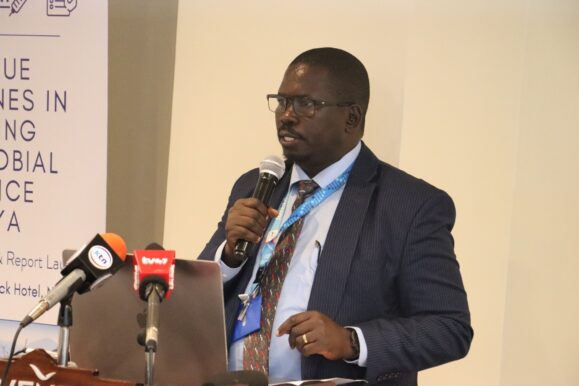
Dr. Robert Onsare, Chairperson of GARP-Kenya, delivering opening remarks at the launch of the AMR and vaccines policy brief in Nairobi
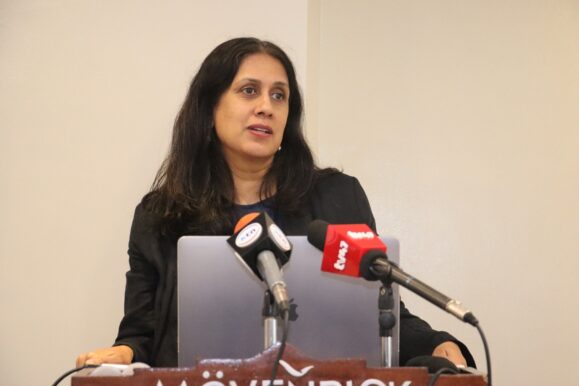
Dr. Padmini Srikantiah of the Gates Foundation emphasizing the role of data and vaccination in reducing antimicrobial resistance
OHT’s Dr. Ramanan Laxminarayan placed the work in historical context, recalling the establishment of GARP in 2009. The partnership began with a situational analysis in Nairobi at a time when AMR was still an emerging issue, met with relatively low awareness and limited understanding among stakeholders. He framed vaccination as a proactive solution rather than a matter of restraint alone: “It is not enough to ask people not to use antibiotics indiscriminately; it is more important to encourage them to get vaccinated, so that once they are protected, there won’t be a need for antibiotic use.” OHT’s Dr. Erta Kalanxhi then followed with an overview of the GARP project that informed the brief’s development, expressing appreciation to the Technical Working Group and the wider GARP team for their dedication.
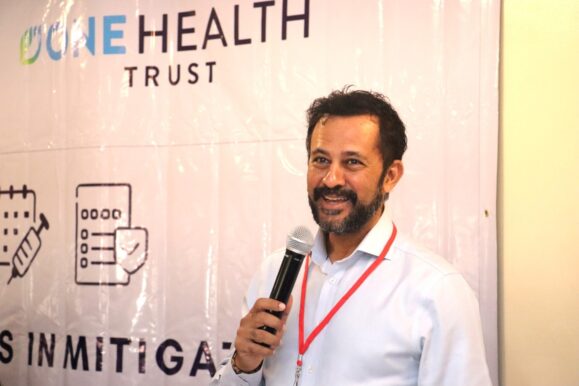
Dr. Ramanan Laxminarayan reflecting on the evolution of GARP and the importance of vaccines in preventing antibiotic misuse
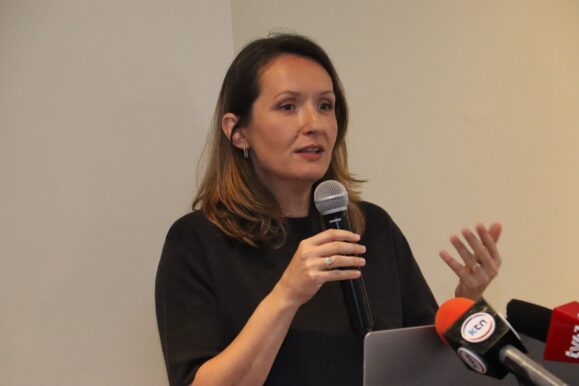
Dr. Erta Kalanxhi presenting key findings and insights from the GARP project that informed the policy brief
Dr. Eric Mwok of KEMRI praised the collective effort behind the brief, noting in particular the work done to ensure that AMR is understood not as medical jargon confined to professionals, but as a challenge everyone can relate to. He highlighted the importance of herd immunity and the central role of vaccines — not only in combating AMR, but in preserving the longevity of existing antibiotics and protecting the health of future generations.

Dr. Eric Mwok of KEMRI speaking on the need to make antimicrobial resistance understandable and relevant to the wider public
A media interview session allowed journalists to engage directly with the experts, raising pointed questions such as who should be held responsible for AMR and why children are particularly vulnerable to resistant infections.
Towards the end of the event, a panel discussion brought together leading experts from various disciplines: Dr. Michuki Maina, a pediatrician and health systems researcher at the KEMRI-Wellcome Trust Programme; Dr. Christine Karanja-Chege, Chair of Pediatrics and Child Health at Kenyatta University; Dr. Marybeth Maritim, Co-chair of the Kenya National Immunization Technical Advisory Group; and Dr. Sylvia Omulo, a researcher and global health scientist.
The conversation surfaced a wide range of perspectives. Dr. Maina drew attention to challenges specific to pediatric care, including the late arrival of antibiotic susceptibility test results that should ideally guide treatment decisions. Dr. Karanja-Chege spoke to the proven value of vaccines in preventing infectious disease in Kenya, pointing to reductions in the morbidity and mortality associated with vaccine-preventable illnesses such as typhoid and pneumococcal infection. Dr. Omulo made the case for including animal vaccination in the “AMR story,” emphasizing the critical role farmers play in the fight against resistance. Dr. Maritim, in turn, addressed the community dimension, describing efforts to counter vaccine hesitancy and the need to empower community educators and healthcare workers. Vaccine advocacy, she noted, should be a constant effort — carried out everywhere and at all times, not only when a new vaccine is introduced.

Panelists discussing the role of vaccination, community engagement, and cross-sector collaboration in addressing AMR
Dr. Christine Makena, the GARP project coordinator, shared a summary of the discussions, and Dr. Onsare offered closing remarks that reinforced a message running through the entire event: confronting AMR will depend on sustained, cross-sector collaboration.

Dr. Christine Makena summarizing key insights and recommendations from the panel discussion
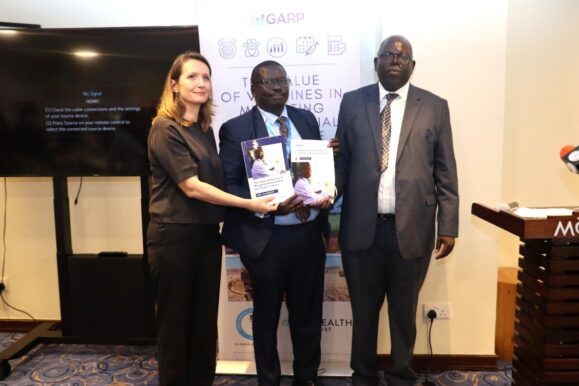
Dr. Erta Kalanxhi, Dr. Robert Onsare, and Dr. Eric Mwok officially launching the AMR and vaccines policy brief
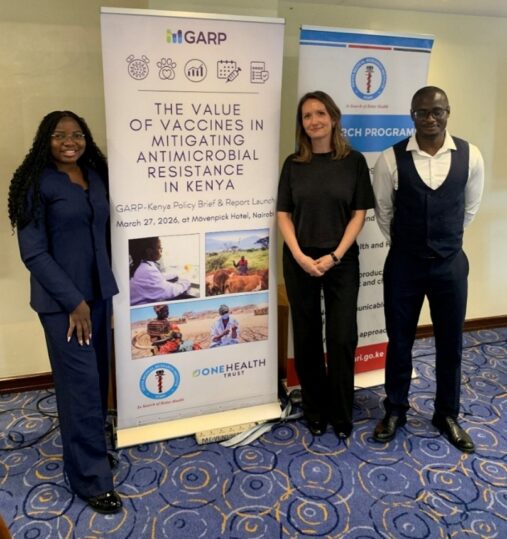
OHT team members Dr. Oluwatosin Ajayi and Dr. Erta Kalanxhi with Mr. Felix Bahati during the policy brief launch event
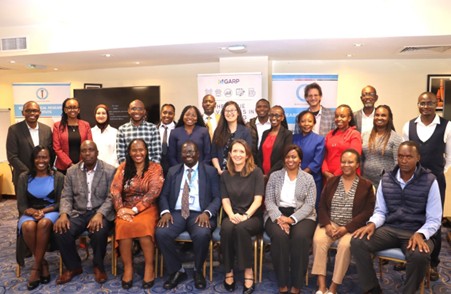
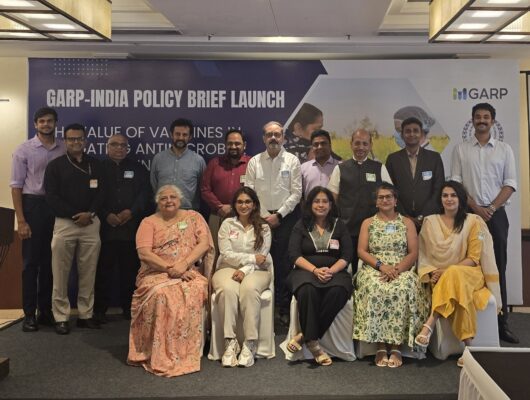
The launch attendees