May 28, 2025
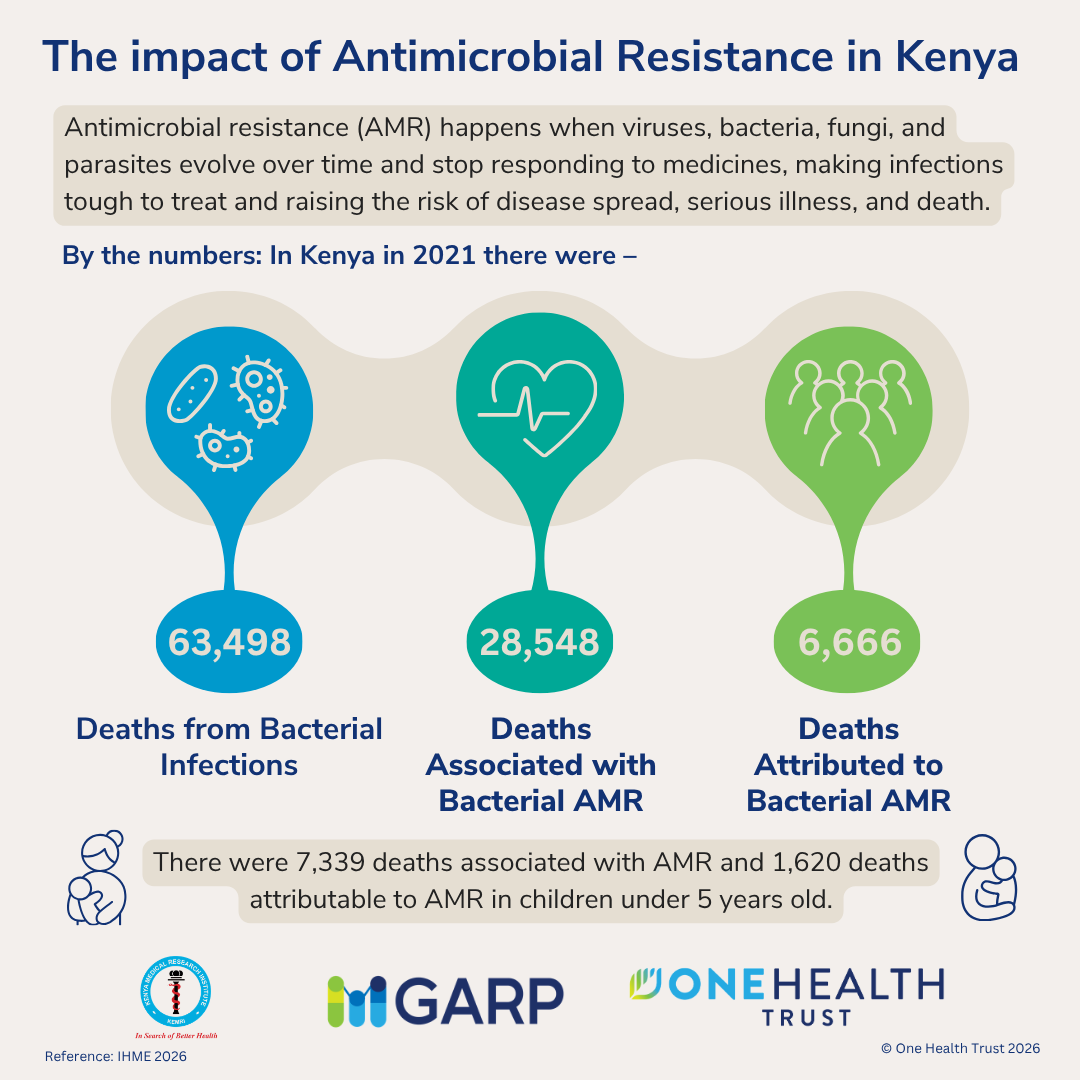
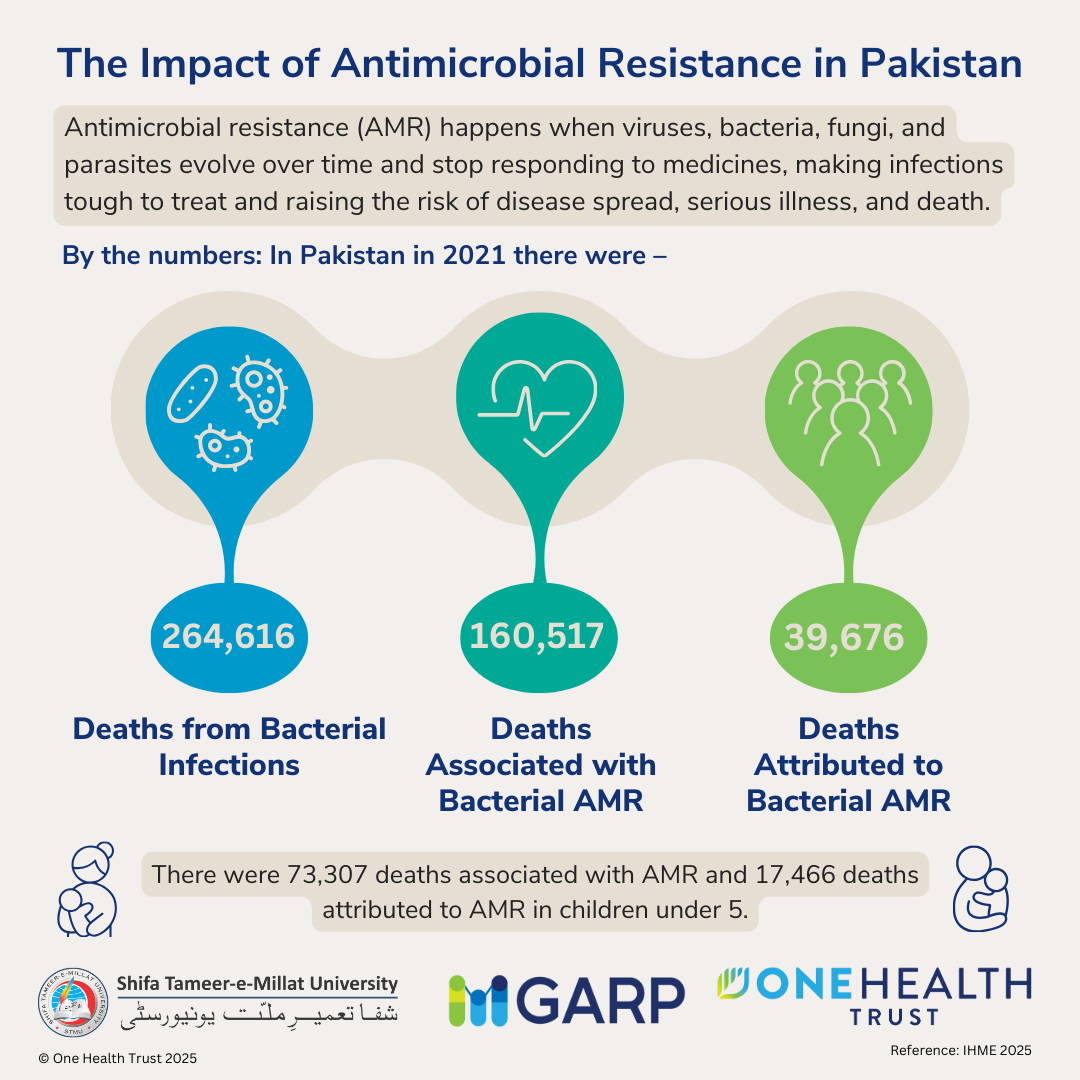
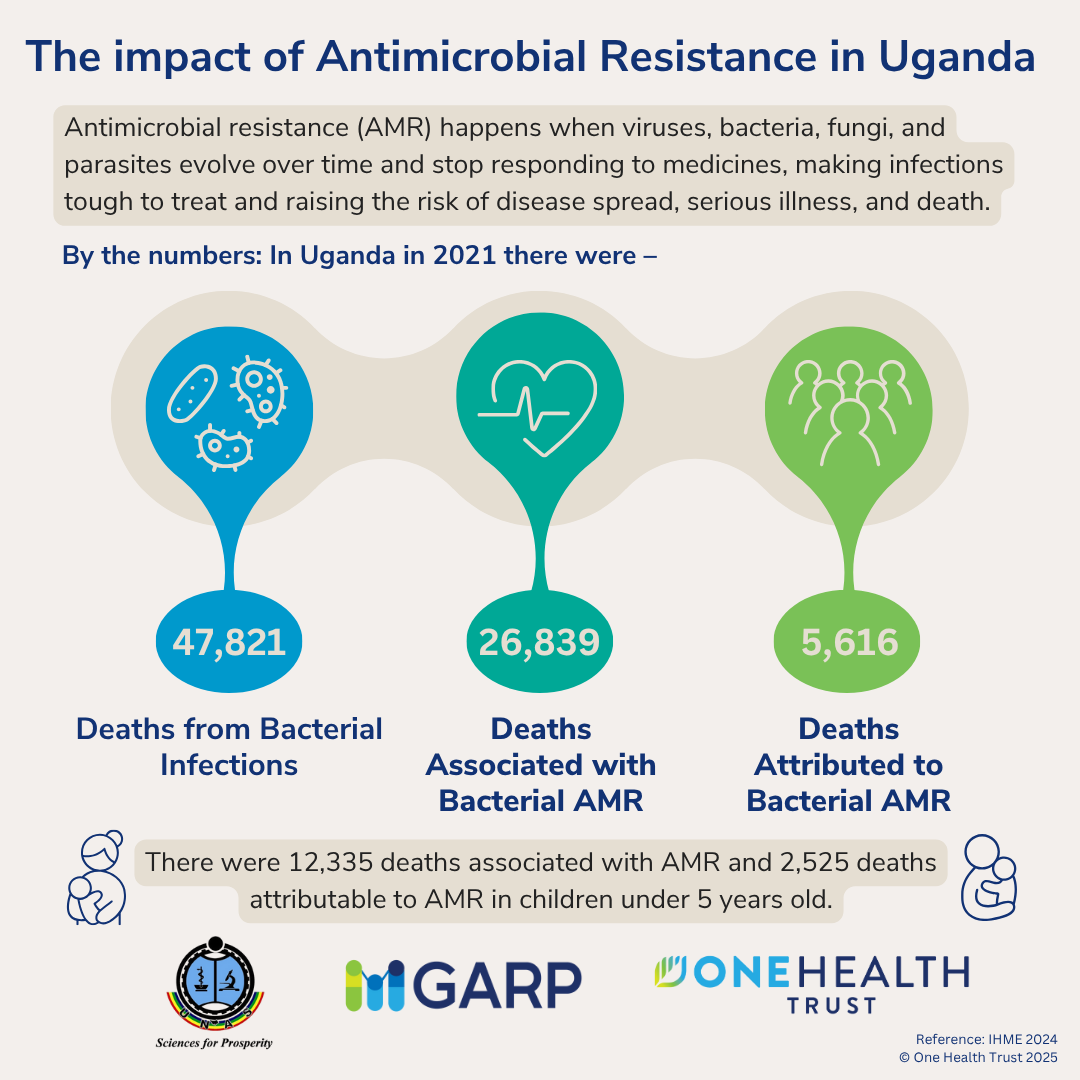
Antimicrobial resistance (AMR) happens when viruses, bacteria, fungi, and parasites evolve over time and stop responding to medicines, making infections tough to treat and raising the risk of disease spread, serious illness, and death.
By the numbers: In Uganda in 2021 there were:
- 47,821 deaths from bacterial infections
- 26,839 deaths associated with bacterial AMR
- 5,616 deaths attributed to bacterial AMR
There were 12,335 deaths associated with AMR and 2,525 deaths attributable to AMR in children under 5 years old.
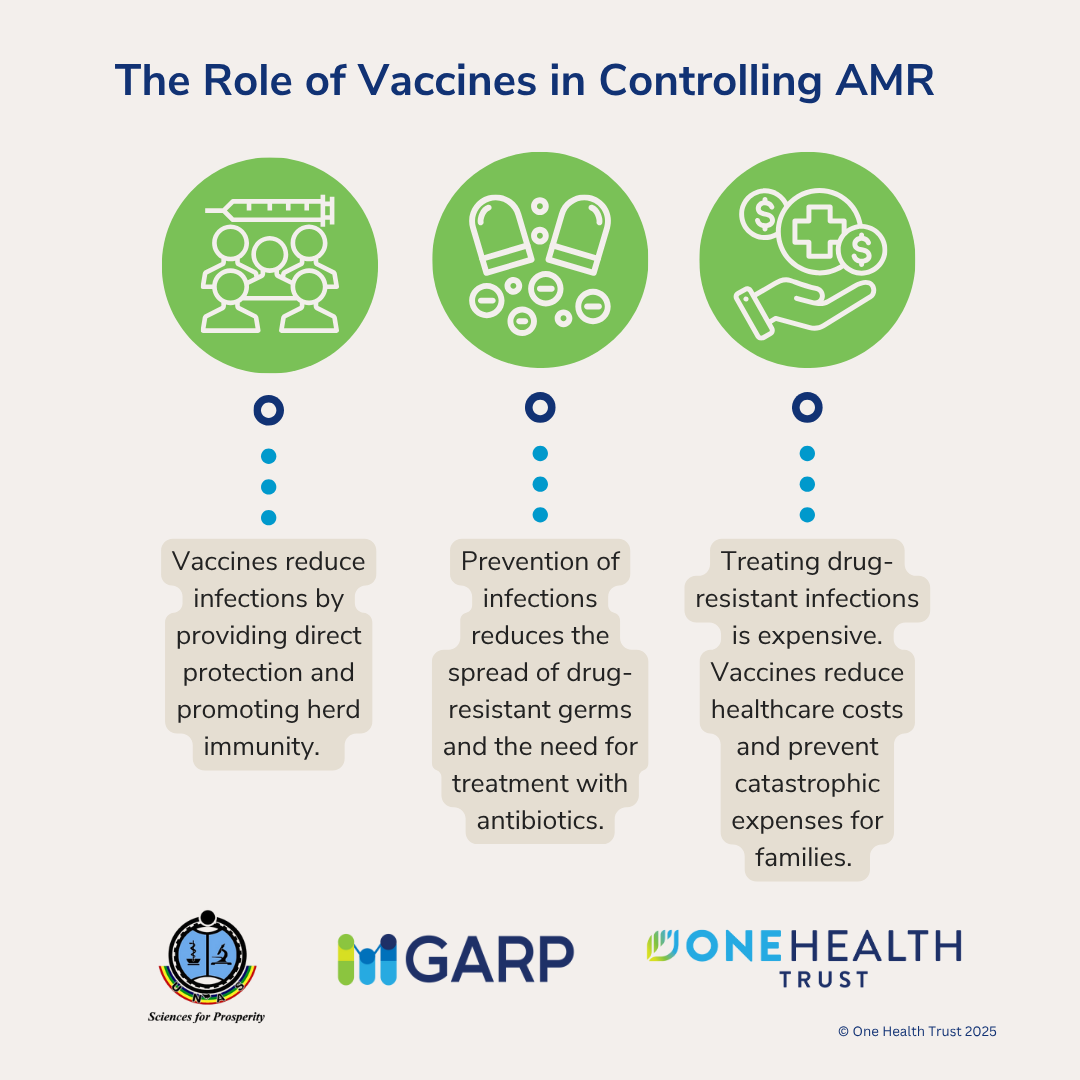
The Role of Vaccines in Controlling AMR
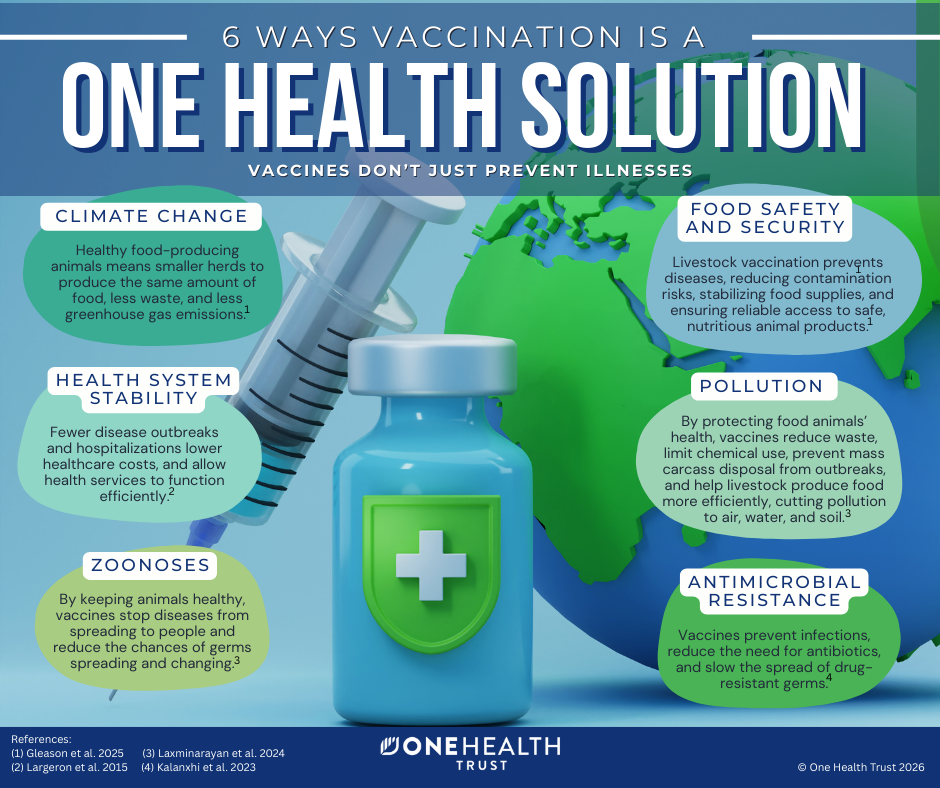
- Vaccines reduce infections by providing direct protection and promoting herd immunity.
- Prevention of infections reduces the spread of drug-resistant germs and the need for treatment with antibiotics.
- Treating drug-resistant infections is expensive. Vaccines reduce healthcare costs and prevent catastrophic expenses for families.
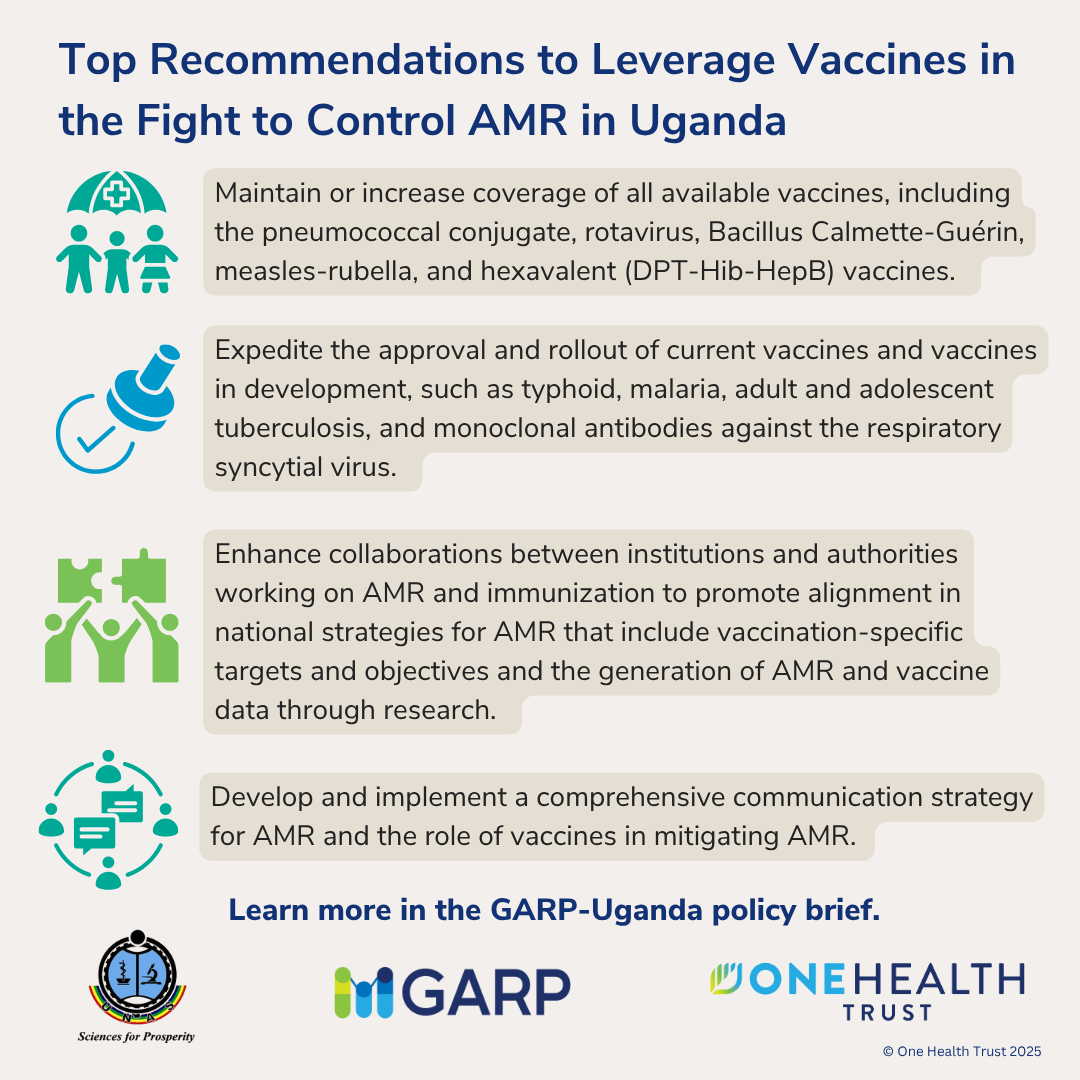
Top Recommendations to Leverage Vaccines in the Fight to Control AMR in Uganda
- Maintain or increase coverage of all available vaccines, including the pneumococcal conjugate, rotavirus, Bacillus Calmette-Guérin, measles-rubella, and hexavalent (DPT-Hib-HepB) vaccines.
- Expedite the approval and rollout of current vaccines and vaccines in development, such as typhoid, malaria, adult and adolescent tuberculosis, and monoclonal antibodies against the respiratory syncytial virus.
- Enhance collaborations between institutions and authorities working on AMR and immunization to promote alignment in national strategies for AMR that include vaccination-specific targets and objectives and the generation of AMR and vaccine data through research.
- Develop and implement a comprehensive communication strategy for AMR and the role of vaccines in mitigating AMR.
Read the summarized brief here.