November 19, 2026
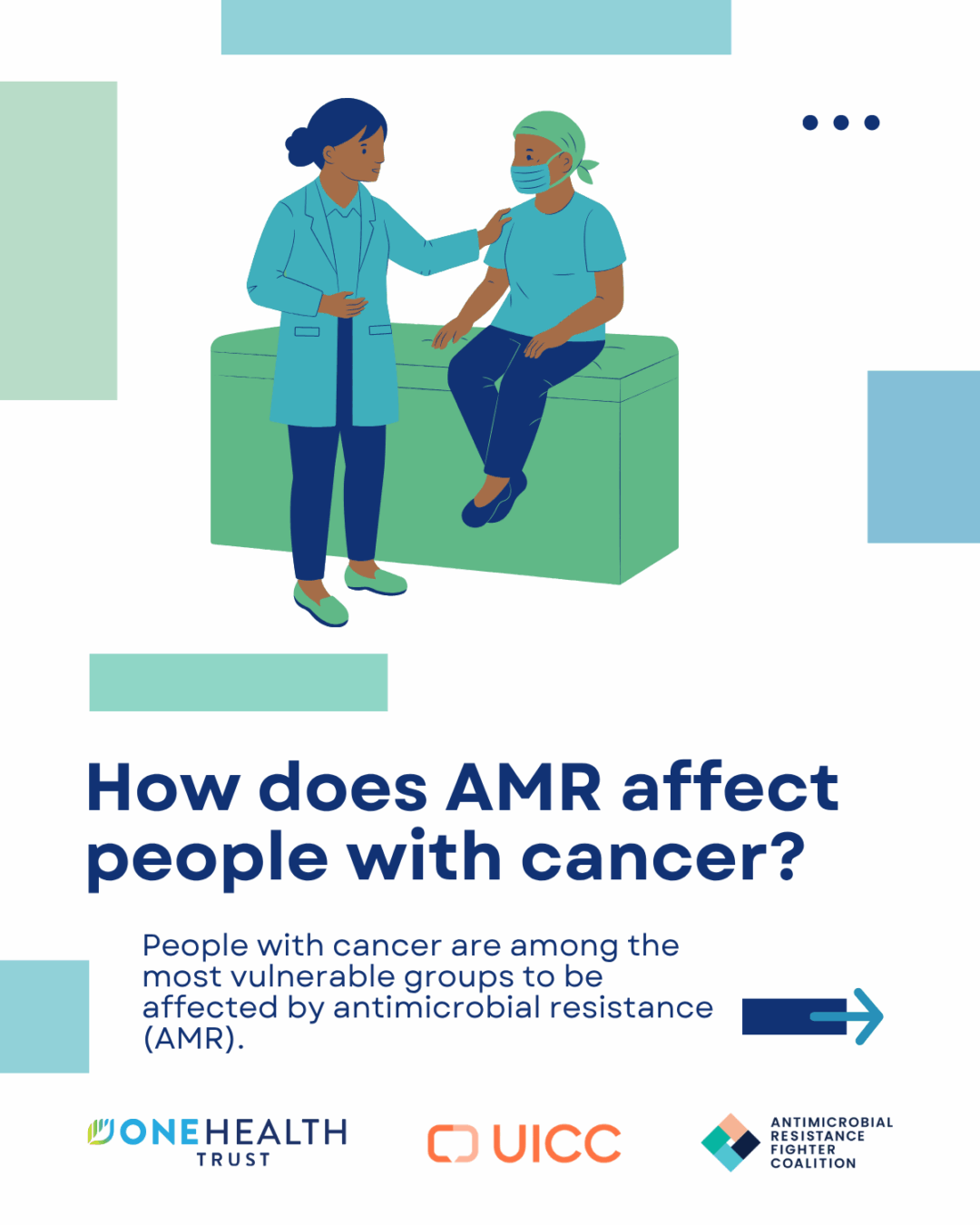
People with cancer are among the most vulnerable groups to be affected by antimicrobial resistance (AMR).
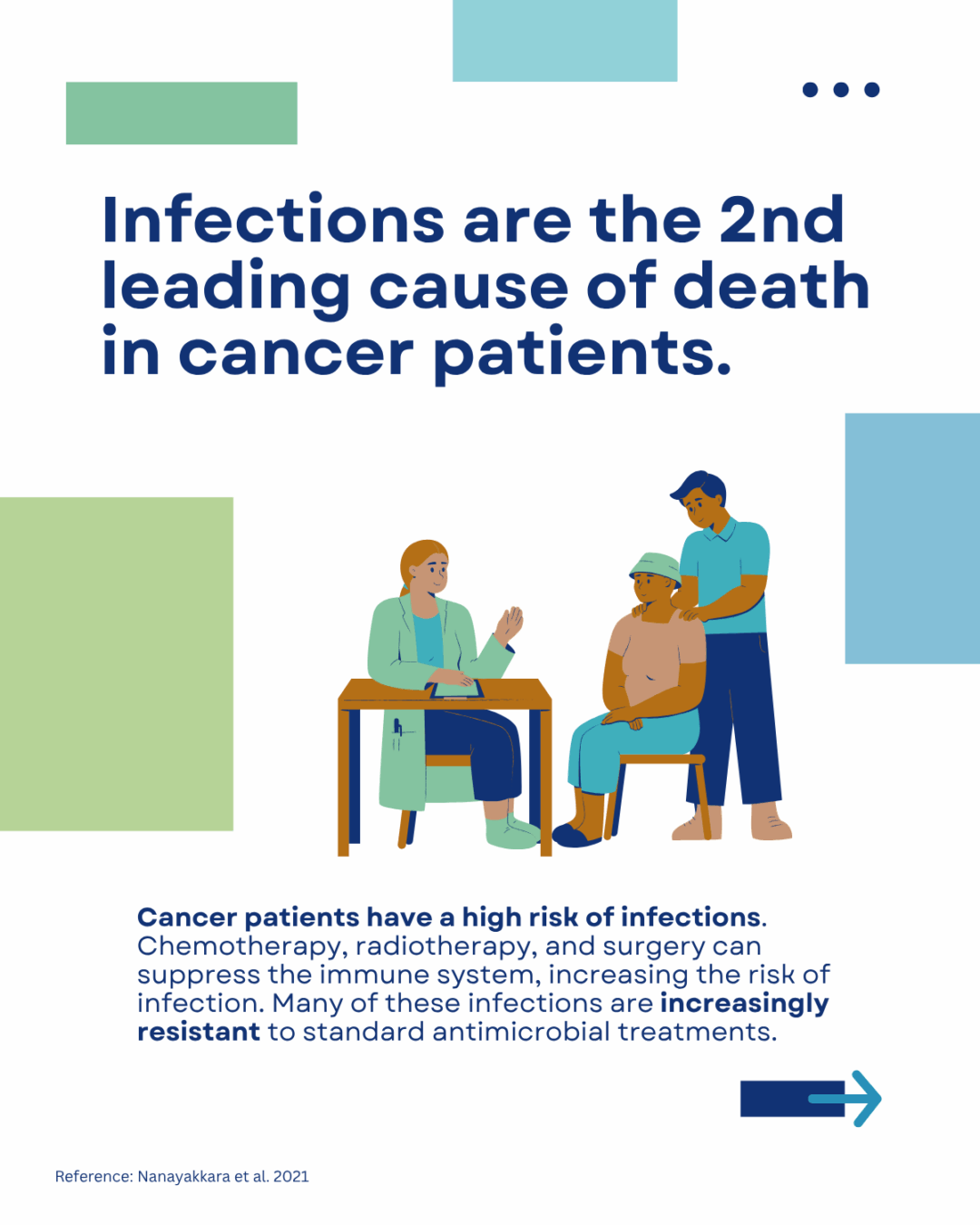
Infections are the 2nd leading cause of death in cancer patients.
Cancer patients have a high risk of infections. Chemotherapy, radiotherapy, and surgery can suppress the immune system, increasing the risk of infection. Many of these infections are increasingly resistant to standard antimicrobial treatments.
AMR can turn routine infections into life-threatening infections.
Without effective antibiotics and antifungals, infections can become harder or impossible to treat, especially for cancer patients with compromised immune systems.
Drug-resistant infections can disrupt cancer treatment.
Infections can delay or interrupt chemotherapy, surgery and other cancer treatments, potentially allowing cancer to progress while the infection is being addressed.
AMR infections affect 1 in 3 patients with blood cancer and are linked to higher mortality.
35% of patients with hematological cancers had antimicrobial-resistant infections, with bloodstream infections among the most common. 65% of studies reporting mortality found higher death rates in patients with AMR infections.
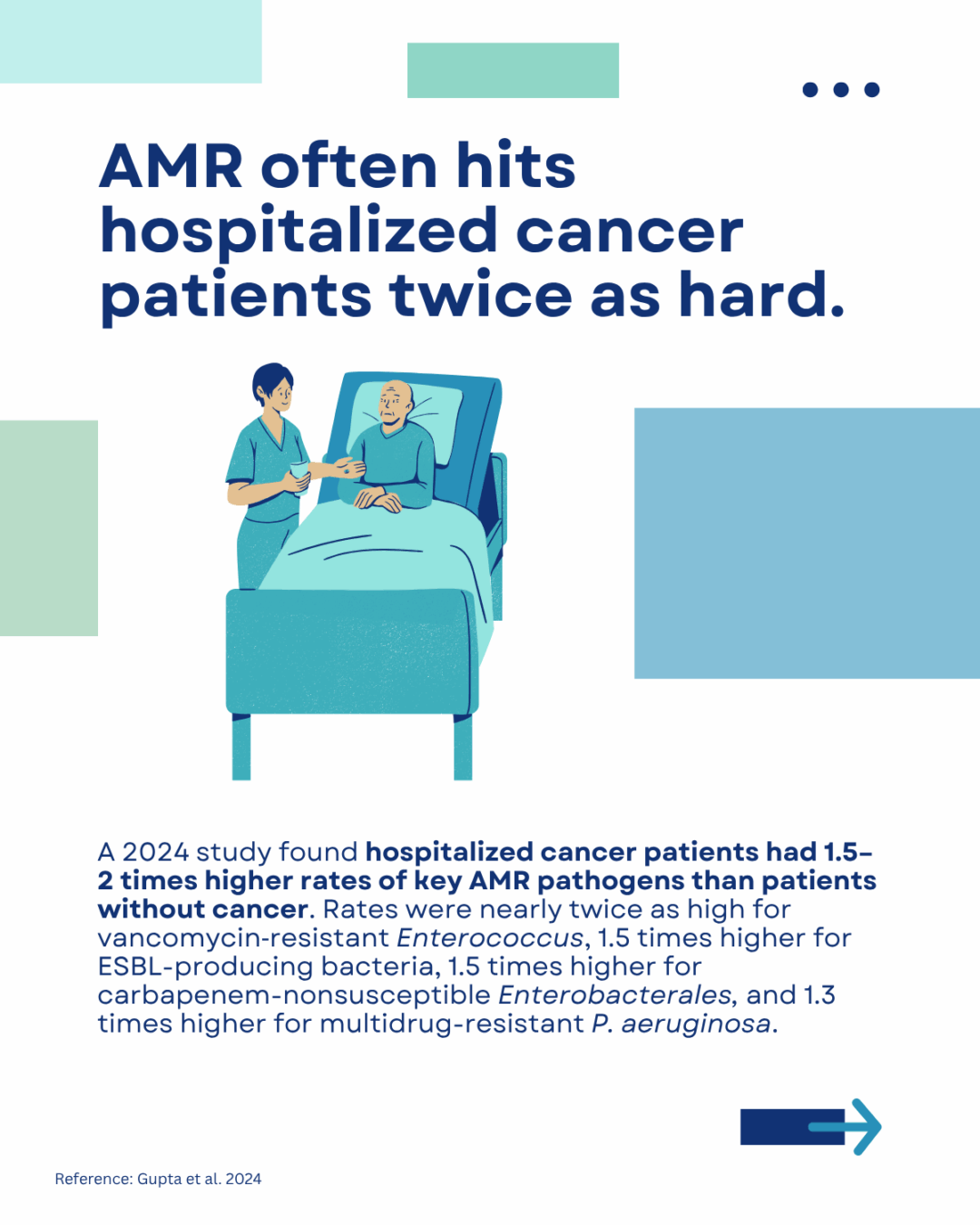
AMR often hits hospitalized cancer patients twice as hard.
A 2024 study found hospitalized cancer patients had 1.5–2 times higher rates of key AMR pathogens than patients without cancer. Rates were nearly twice as high for vancomycin‐resistant Enterococcus, 1.5 times higher for ESBL-producing bacteria, 1.5 times higher for carbapenem-non susceptible Enterobacterales, and 1.3 times higher for multidrug-resistant P. aeruginosa.
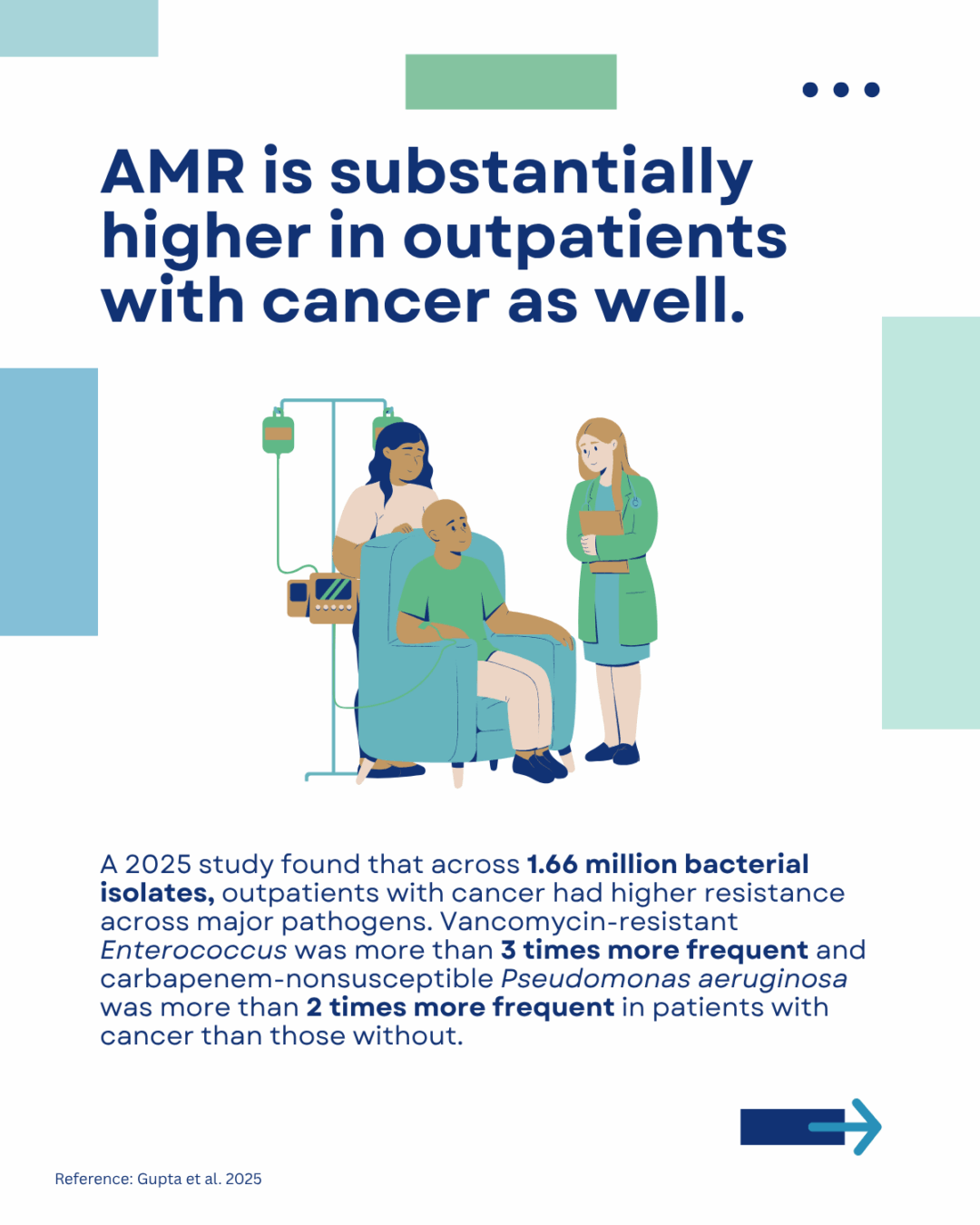
AMR is substantially higher in outpatients with cancer as well.
A 2025 study found that across 1.66 million bacterial isolates, outpatients with cancer had higher resistance across major pathogens. Vancomycin-resistant Enterococcus was more than 3 times more frequent and carbapenem-non susceptible Pseudomonas aeruginosa was more than 2 times more frequent in patients with cancer than those without.
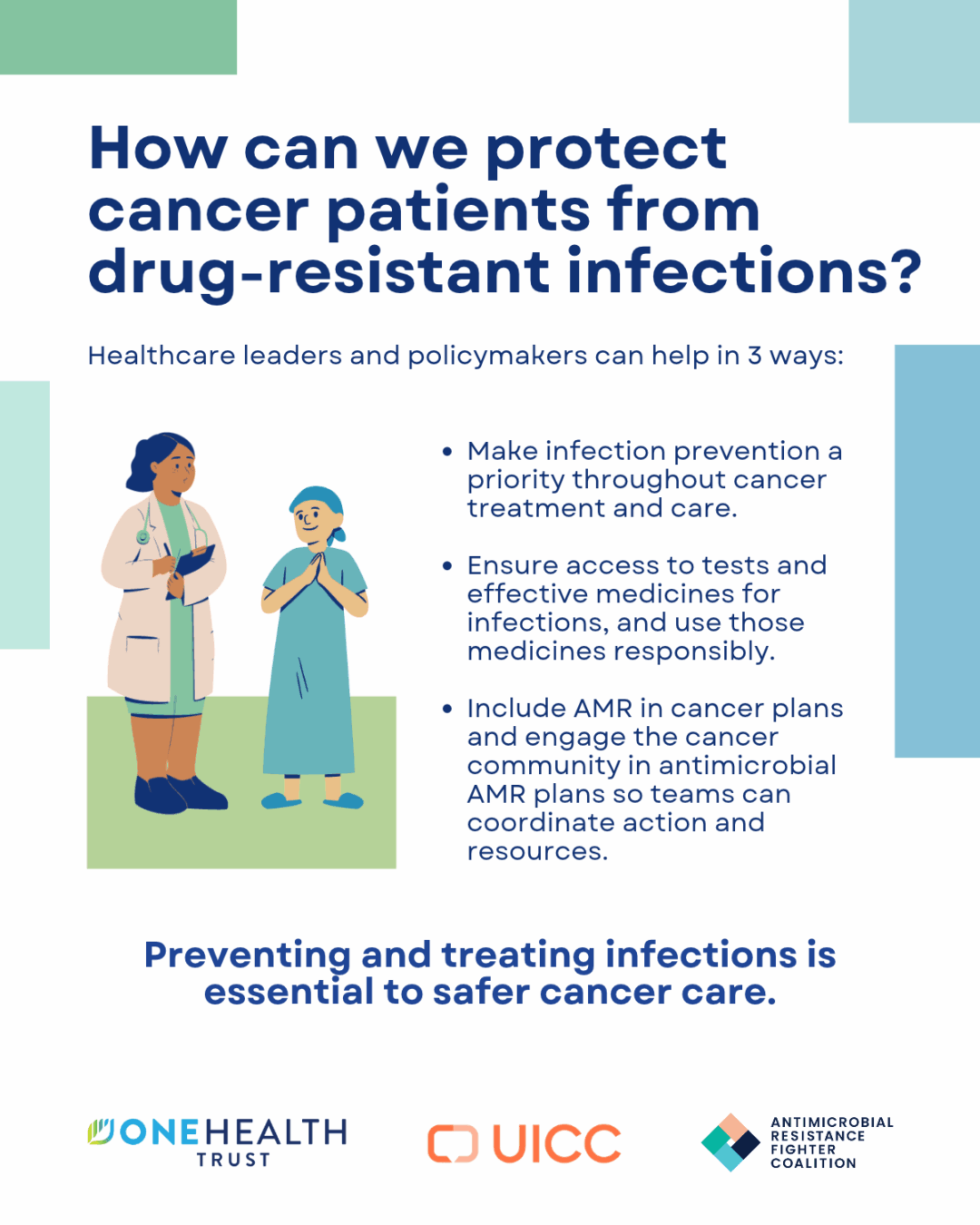
How can we protect cancer patients from drug-resistant infections?
- Make infection prevention a priority throughout cancer treatment and care.
- Ensure access to tests and effective medicines for infections, and use those medicines responsibly.
- Include AMR in cancer plans and engage the cancer community in antimicrobial AMR plans so teams can coordinate action and resources.
Preventing and treating infections is essential to safer cancer care.
References:
- Nanayakkara et al. 2021
- UICC 2025
- Sallah et al. 2025
- Gupta et al. 2024