October 06, 2025
Advances and limitations in short-course treatment for multidrug-resistant tuberculosis
A narrative review highlights recent advances in short-course treatment regimens for multidrug/rifampicin-resistant tuberculosis (MDR/RR-TB). The WHO has endorsed two six-month regimens: BPaLM in 2022 and BDLLfxC in 2025, the latter expanding eligibility to children, adolescents, and pregnant or breastfeeding women by replacing pretomanid with delamanid. While these regimens represent major progress, they remain inappropriate for patients with complicated extrapulmonary TB (such as central nervous system, bone, or disseminated disease) due to limited drug penetration and lack of clinical evidence. [International Journal of Infectious Diseases]
Barriers to mitigating a measles outbreak in armed conflict settings
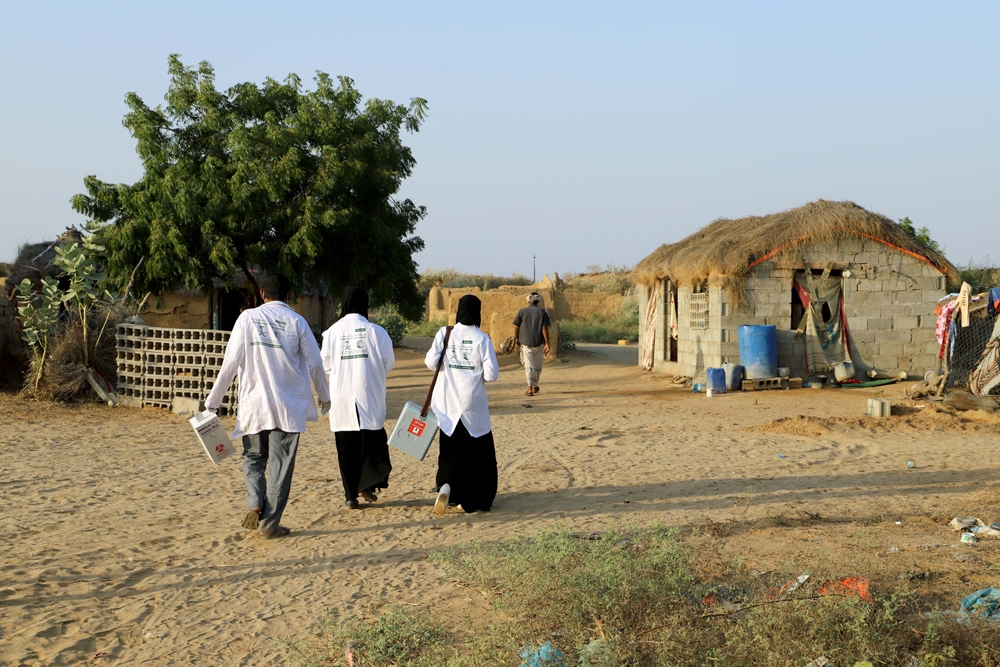
A retrospective, cross-sectional study analyzed a multistate measles outbreak in Sudan between January 2024 and June 2025 amidst ongoing armed conflict. A total of 3,563 cases and 20 deaths were reported, with North Darfur most affected, followed by Khartoum and River Nile. Although the case fatality rate declined over time, vaccination coverage remained critically low, particularly among displaced populations due to logistical barriers and damaged health infrastructure. The findings highlight how conflict exacerbates gaps in immunization and disease control and underscore the need for urgent mass vaccination campaigns, stronger surveillance, and international support to protect vulnerable groups, particularly children and displaced communities. [International Journal of Infectious Diseases]
Addressing pharmaceutical contaminants in the environment
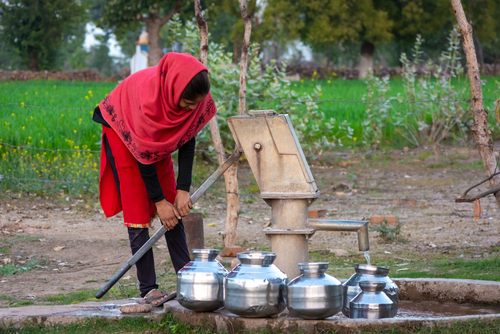
A review of the detection and regulation of pharmaceutical micropollutants in the environment, particularly substances with endocrine-disrupting and antimicrobial effects, revealed recent advances in detection methods and stronger regulations that have driven research into understanding and mitigating these pollutants. The authors highlight a multidisciplinary approach that combines chemistry, biology, environmental science, pharmaceutical innovation, and public health to assess risks and develop strategies to mitigate the environmental dissemination of pharmaceuticals. Key tactics include improved detection, regulatory oversight, water remediation technologies, and innovative drug formulations that reduce active compound release to promote safer, more sustainable pharmaceuticals with less environmental impact. [Science of the Total Environment]
Review of existing malaria vaccines in Africa
There is a heavy malaria burden in Africa, particularly among children, and vaccination can play a critical role in complementing existing preventive measures. The R21 vaccine has shown 77 percent efficacy, higher than the 30 percent reported for the RTS,S/AS01 vaccine, though no direct comparative trials exist. Both vaccines are available for routine immunization, with Nigeria adopting R21 in its national program in October 2024. Previous vaccination campaigns in Nigeria faced barriers such as socioeconomic inequalities, cultural beliefs, geographic challenges, and limited funding, highlighting the need for strong government planning and sustained international support to overcome these obstacles and advance malaria eradication efforts. [Discover Public Health]
The risks of decentralizing vaccine financing in middle-income countries
An analysis of Vietnam’s brief decentralization of vaccine financing in 2023, which shifted responsibility for funding the Expanded Program on Immunization (EPI) from the central government to provincial authorities, found that this change led to severe vaccine shortages and the steepest drop in childhood immunization coverage in over two decades, prompting a quick reversal of the policy. These results highlight the risks of decentralization in middle-income countries (MICs), particularly those without Gavi support, amidst recent changes to international aid. The authors conclude that MICs should preserve a central government role in EPI financing, strengthen local management capacities, and prioritize resource allocation to lower-resourced regions to reduce inequities. [The Lancet Regional Health – Western Pacific]
Immunological dynamics in response to pediatric rotavirus vaccination
An observational study found that infants with lower maternally derived rotavirus-specific antibody levels before receiving the rotavirus vaccine were significantly more likely to seroconvert, and antibody levels generally declined to a critical threshold around six months of age. Population-level data showed that IgG levels reached their lowest at 8.4 months, aligning with a peak in severe rotavirus cases at 9 months, while IgA levels (indicating vaccine-induced immune response) peaked soon after and correlated with reduced disease incidence. The results suggest that adding a booster dose between six and eight months could improve vaccine immunogenicity and better protect infants in low- and middle-income countries. Despite limitations, these findings highlight an optimal window for enhancing rotavirus vaccine effectiveness in high-burden settings. [PLOS Medicine]
Legally recognized indigenous territories in forests safeguard human health more than unrecognized territories.
A niche analysis exploring the relationship between indigenous territories (ITs) in the Amazon and their impact on human health, through their interaction with landscape structure and legal recognition, shows that ITs could function as public health assets. In large, intact forests ITs reduce exposure to fire-related air pollution and lower the risk of zoonotic disease emergence and spread. When landscapes are fragmented or forest cover is low, these protections weaken, and disease risks can increase. Legally recognized ITs strengthen health benefits, while unrecognized territories show less consistent effects. These findings highlight that ITs safeguard health only when forests are well-preserved and governance is enforced, emphasizing the combined importance of conservation and legal protection. [PLOS One]
Formal and informal antimicrobial trade and usage in farm animals in urban Lomé, Togo
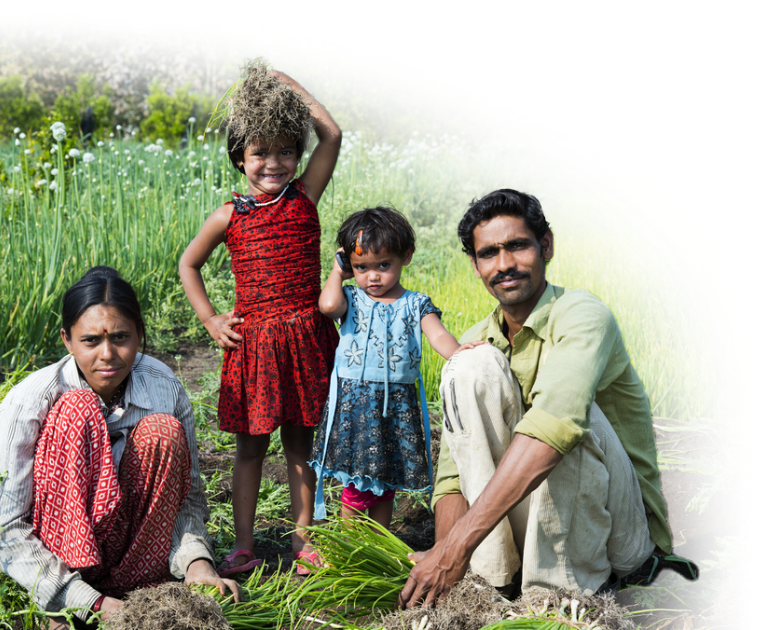
In Lomé, Togo, a low-income country in west Africa with high animal density, inadequate regulation of antibiotics and informal trade networks contribute to the improper use of antibiotics in livestock and global antibiotic resistance burden. Interviews with livestock farmers and antibiotic distributors of Lomé revealed that limited veterinary oversight contributed to inappropriate dosing, non-therapeutic use, and high antibiotic consumption, particularly among poultry and dog farmers. While large farms sourced drugs from licensed distributors, smallholders relied on legal and illegal channels that are largely managed by women wholesalers and retailers, sourcing products through cross-border smuggling and the circulation of substandard goods, indicating the need for gender-sensitive strategies for effective prevention. The study shows that an effective AMR prevention program must be customized to farmers’ usage patterns and motivations, guaranteeing treatments are socially responsible and successful in reducing misuse. [Communications Earth & Environment]
Using wastewater to establish an early-warning typhoid surveillance system
A cost-benefit analysis evaluating the potential benefits of using wastewater surveillance to guide earlier typhoid vaccination campaigns in Bangladesh revealed that Salmonella typhi concentrations in wastewater increased up to 13 days before clinical cases, providing a valuable early warning signal. Modeling showed that an earlier vaccine campaign launch, enabled by wastewater data, could prevent cases, hospitalizations, and deaths, providing substantial societal and economic benefits. By year 5, every US$100 invested in wastewater monitoring could yield nearly US$300 in benefits if campaigns launched 13 days early, demonstrating that wastewater-based typhoid monitoring is cost-effective and could be broadly applied in other countries with recurring enteric disease outbreaks. [Tropical Diseases, Travel Medicine and Vaccines]
Community-based systems can enhance engagement and sustainability for rapid response to hemorrhagic fever outbreaks
Guinea continues to face repeated viral hemorrhagic fever outbreaks following its recent Ebola crisis and still has weak community involvement and top-down responses, despite-improved national capacity. Qualitative participatory research with community workers and members and local and national staff at Guinée Forestière and Conakry indicated that the official outbreak response flowchart is overly complex and poorly adapted to local realities. Effective response was found to be hindered by a lack of resources, technical skill gaps, weak legitimacy of community workers, poor coordination, fatigue from too many external actors, and unequal sectoral support. A co-constructed, community-based flowchart better reflected how local actors detect signals, verify them, and mobilize responses. Effective epidemic management in Guinea requires integrating community actors through participatory, bottom-up approaches, with co-created response flowcharts enhancing trust, clarity, and sustainability. [One Health]
Image from Shutterstock