February 25, 2026
India should invest in animal vaccines to strengthen economic resilience.
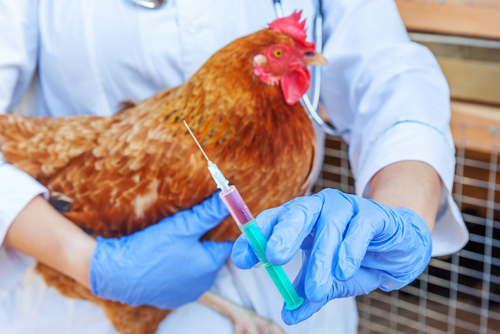
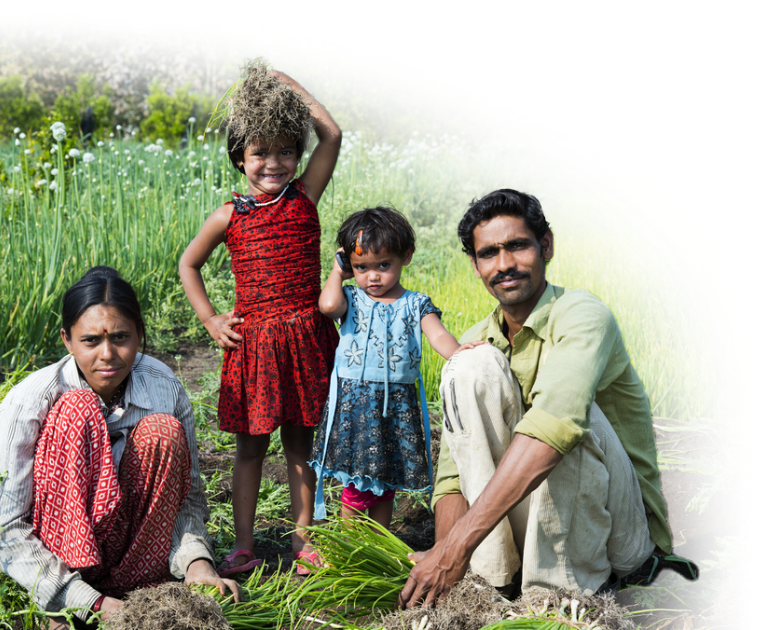
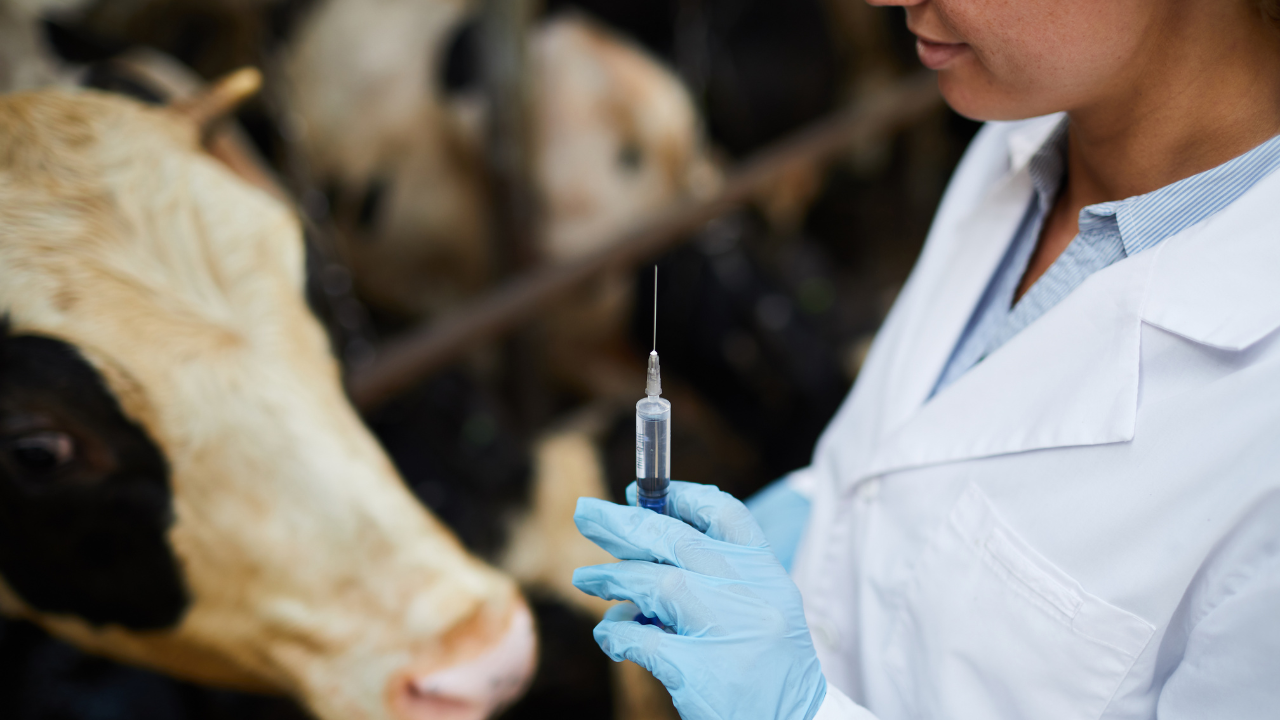
In his Hindustan Times column, Vital Signs, OHT’s Dr. Ramanan Laxminarayan affirms that animal vaccinations should be a focal point in India’s development strategy. Livestock is part of the livelihoods of around 100 million people and accounts for almost 30 percent of agricultural gross value added. Yet, vaccine-preventable diseases continue to reduce revenues in the country, ranging from 8 percent (small ruminant) to 15 percent (native calves) in some regions. Improving animal health through routine immunization could improve pandemic preparedness, increase productivity, and reduce antibiotic consumption, all the while reducing greenhouse gas emissions. Considering its vaccine manufacturing capacity, India can lead the way in investing in animal vaccination to safeguard livelihoods, reach climate goals, and ensure global health security. [Hindustan Times]
U.S. researchers reflect on a year of disruption to science and public health under the Trump administration
In a commentary co-authored by OHT’s Dr. Ramanan Laxminarayan, six leading biomedical researchers reflect on the effects of Trump’s presidency on science and public health. They describe major disruptions across universities and federal health agencies, including losses of expertise, data access, and research funding, and weakened childhood vaccine recommendations. The researchers urge states, professional societies, courts, and researchers to defend evidence, protect data systems, sustain collaborations, and speak out against misinformation. Their message is that the pressure on science is real and immediate, but so are the levers outside Washington that researchers and institutions can use to protect public health and scientific integrity. [Nature]
Having both diabetes and malaria changes how the body responds to the disease, and possibly to vaccines.
A case-control study of 144 participants in Ghana’s central region found that individuals with both type 2 diabetes and malaria had significantly higher parasite levels in their blood and also stronger antibody responses to malaria vaccine candidate antigens than those with malaria-only. The heightened immune response may reflect diabetes-associated inflammation that promotes antibody production; however, researchers caution that this may not necessarily improve clinical outcomes due to a possible reduction in antibody functionality from diabetes-related immune dysfunction. With diabetes becoming more common in malaria-endemic regions, understanding how the two diseases interact could have significant implications for clinical outcomes and vaccine development. [PLOS One]
Strengthening parental support is essential to preventing drug-resistant tuberculosis in children.
A review by researchers in Indonesia and Malaysia examined factors that influence how parents can prevent drug-resistant tuberculosis (TB) in children. Knowledge about TB, trust in health systems, social support, stigma, and access to care shape parental involvement in prevention and treatment. Meanwhile, financial barriers, limited awareness, and a weak health system support can reduce engagement. The review highlights that empowering caregivers through education, community support, and stronger health services is critical to protecting children from drug-resistant TB. [Infection and Drug Resistance]
Spain’s real-time mortality tracking reveals the growing death toll from extreme heat.
Spain’s real-time mortality monitoring system (MoMo) tracked excess deaths attributable to high temperatures across the summers of 2021 through 2024, finding that extreme heat caused substantial mortality, with risk increasing progressively with age. The summer of 2022 had the greatest toll recorded, with inland provinces consistently showing higher mortality than coastal areas. The authors note that while MoMo cannot confirm heat as a direct cause of deaths, it provides the most reliable population-level estimate of extreme heat’s contribution to mortality. The researchers call for urgent investment in climate adaptation policies and argue that real-time surveillance systems such as MoMo are essential tools for protecting public health. [BMC Public Health]
RSV is a major driver of ear infections in children.
A systematic review and meta-analysis examined the burden of respiratory syncytial virus (RSV) in children who develop acute otitis media (a common and painful middle ear infection). The review found that RSV is among the most frequently detected viruses in children with acute otitis media and is associated with more severe illness, more healthcare use, and more antibiotic use among young children. The findings highlight the broader burden of RSV beyond respiratory disease and suggest that effective RSV prevention, such as vaccines or antibodies, could reduce other healthcare needs in children. [Influenza and other respiratory viruses]
Obesity drives a substantial share of severe infections worldwide.
In addition to raising the risk of chronic illness, obesity makes individuals more susceptible to serious infections. Researchers investigated 925 viral illnesses in over 540,000 people in Finland and the United Kingdom and discovered that overall, obesity raised the risk of serious illness by almost 70 percent. Moreover, people with class III obesity had almost triple the risk of infection-related hospitalization or mortality when compared with individuals with a healthy weight. The association was consistent across a wide range of acute and chronic infections, including bacterial, viral, parasitic, and fungal infections. Based on the data, researchers estimated that adult obesity may be responsible for approximately 10 percent of infection-related fatalities globally. [The Lancet]
Whole genome sequencing reshapes diagnostics in animal health.
Whole genome sequencing (WGS) is rapidly transforming animal health by enabling comprehensive pathogen detection, antimicrobial resistance profiling, and genetic disease diagnosis. WGS can screen for virulence and resistance markers in a single experiment, identify known and emerging diseases, and discover vaccine escape variants. The availability of cloud-based bioinformatics tools and portable sequencing devices has increased accessibility, enabling more accurate treatment decisions for companion and livestock animals as well as quicker epidemic tracing. However, the requirement for uniform analysis pipelines, unequal access to sequencing infrastructure, and high computational needs still prevent widespread implementation. According to the authors, combining WGS with conventional diagnostics, backed by verified processes and fair access, will optimize its effects while lowering the possibility of overdiagnosis and misunderstanding. [BMC Veterinary Research]
Food waste management is an overlooked driver of antimicrobial resistance.
Food waste comprises an important and lesser-known route for the propagation of antimicrobial resistance (AMR). Research demonstrates that levels of resistant bacteria, resistance genes, and antimicrobial residues in food waste are comparable to those seen in sewage sludge and livestock manure. Under ideal circumstances, especially at higher temperatures, composting and anaerobic digestion can minimize some resistance genes; however, if treatment is not completed, resistant organisms and genes may continue to exist in fertilizers, digestates, leachates, and aerosols. By combining food waste with heavy metals and microplastics, which encourage gene transfer and environmental pollution, landfills and open dumps increase the risk of AMR emergence and spread. These findings highlight the need to strengthen treatment guidelines and incorporate food waste management into AMR surveillance to lower threats to the environment and public health. [Infectious Diseases of Poverty]
Image from Canva