January 13, 2026
Following the passage of the global action plan (GAP) on antimicrobial resistance (AMR) endorsed by the quadripartite — World Health Organization (WHO), Food and Agriculture Organization (FAO), World Organisation for Animal Health (WOAH), and United Nations Environment Programme (UNEP)— many countries have developed a national action plan (NAP) to assess their AMR situation, identify key priorities, and set targets for a proper response. 47 member states of the WHO Africa region (WHO AFRO) have a One Health national action plan (NAP) on AMR, and 35 of these countries have had this document endorsed by their national authorities. However, Angola does not yet have a government-endorsed NAP on AMR.
To address this gap, as a WHO Collaborating Centre on AMR (WHO CC), OHT is assisting Angola by conducting a situational analysis (SITAN) of AMR mitigation and control policies. I – OHT research analyst, Dr. Oluoma Agiri – was honored to participate in the stakeholder engagement phase of the analysis in person. I traveled to Angola on a WHO mission with colleagues from the WHO Headquarters (HQ), Dr. Nienke Bruinsma, and the WHO Africa Region, Mr. Yidnekachew Mazengiya, to engage with stakeholders as part of the situational analysis to inform the development of the NAP on AMR. Over four days, I learned about Angola’s healthcare system, its One Health coordination mechanisms, and its colonial history and culture.
The mission
The mission started on November 17, 2025. The other mission team members and I completed final preparations for the workshops scheduled that week. We met other members of the technical SITAN team – Filipa Vas from the WHO country office in Angola and Marinella Mirandela from the National Research Institute for Health (INIS) – and visited the WHO country office, where we met with the country director, Dr. Indrajit Hazarika, and AMR focal point, Dr. Tomaz Valdes.
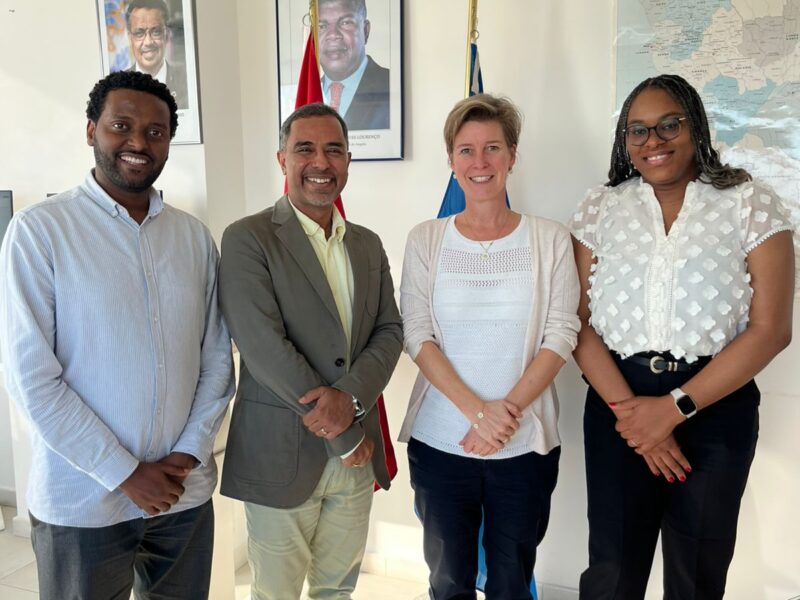
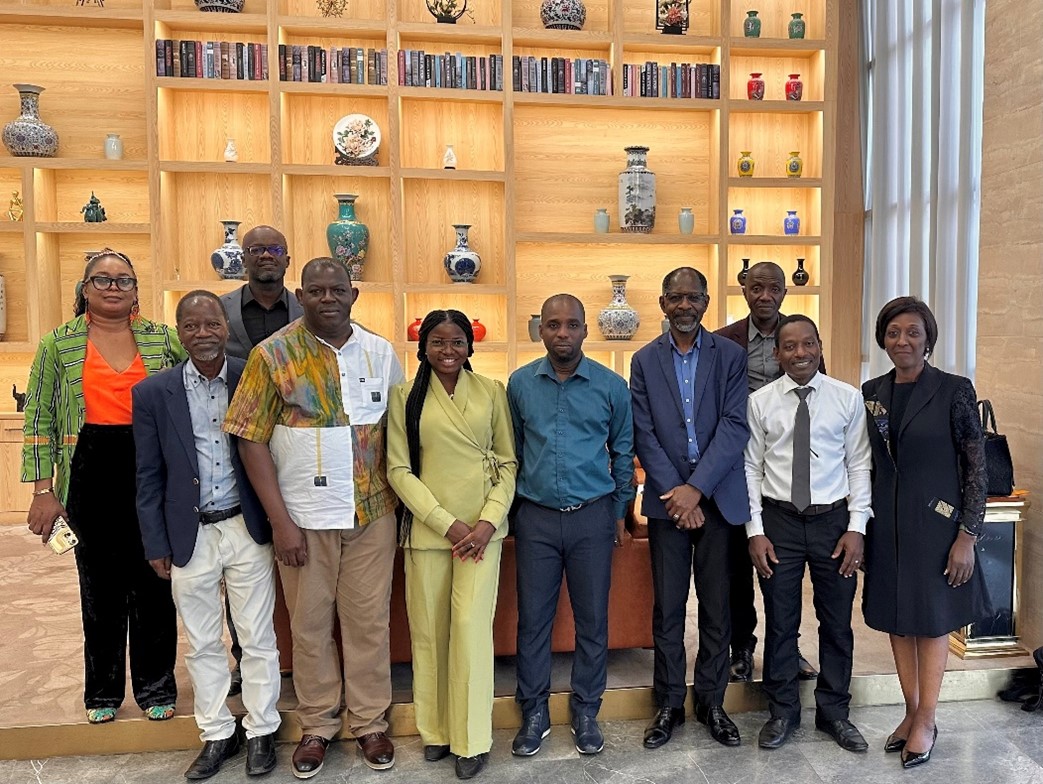
WHO mission team, Nienke Bruinsma (WHO HQ), Yidnekachew Degefaw Mazengiya (WHO AFRO), Oluoma Agiri (OHT, WHO CC), with the head of the WHO Angola Country office, Dr. Indrajit Hazarika
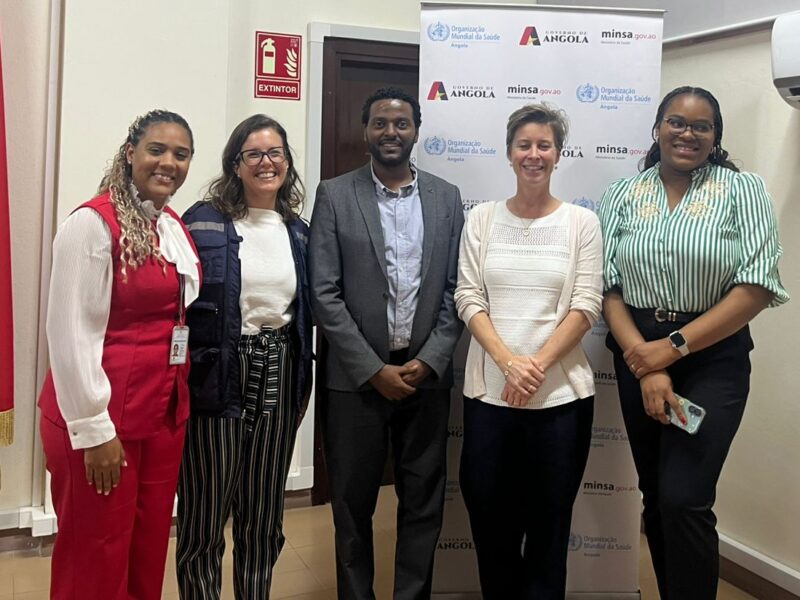
Mission team, WHO country office (Filipa Vas) and INIS representative (Marinela Mirandela)
The following day, the workshop began. We listened to presentations from AMR stakeholders in Angola on human, animal, and environmental health. Their findings showed some progress in areas such as infection, prevention, and control (IPC), but also revealed major gaps in One Health coordination, funding, and enforcement of legislation on drug use and water, sanitation, and hygiene. I presented on the situational analysis processes and tools. I discussed the steps already taken in SITAN, especially the desk review, and emphasized the importance of stakeholder engagement and how the findings would help shape the NAP on AMR. I also met important actors in AMR control in Angola, including Dr. Jose Sucumuna, a veterinarian at the Institute of Veterinary Services (ISV), and Dr. Ricardo Cabral, a physician in Angola. Finally, we ended the day with a discussion on One Health multisectoral coordination in the country, which revealed a lack of multisectoral coordination.
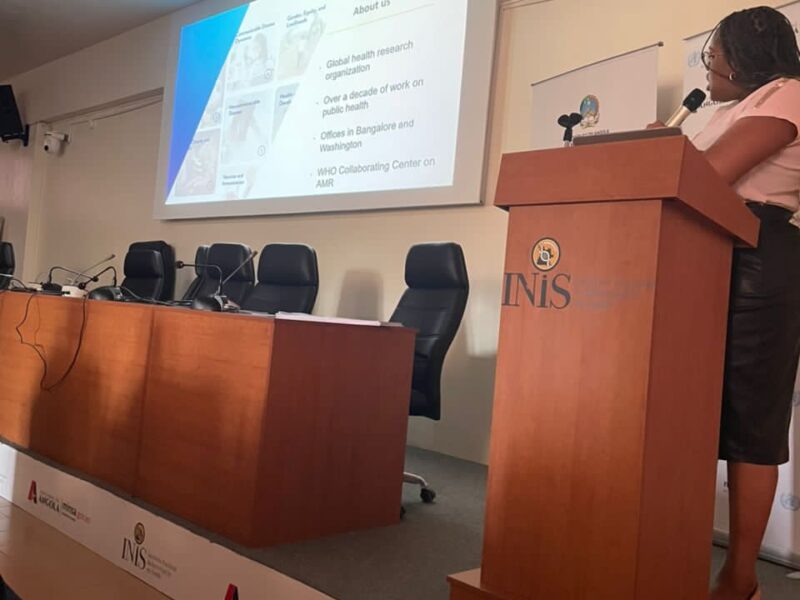
Giving my presentation on the situational analysis processes and tools
On the third day, we continued with the workshop and multisectoral coordination discussions. The stakeholders deliberated among themselves on key priorities for multisectoral coordination in the next NAP on AMR. As the mission team, we aimed to let country stakeholders lead the discussion and deliberations, intervening only to answer questions or provide clarification. I appreciated this approach because it ensured that the conclusions were organized and less biased, revealing the true state of affairs in the country. There were also separate sessions on human, animal, and environmental health, with stakeholders from these sectors discussing their AMR-related challenges, priorities, and key targets for the NAP. I facilitated the animal health session, guiding stakeholders through the questions during a roundtable discussion. They took strong ownership of the process, which was crucial since they represented the country’s priorities. These discussions revealed that, as in many other countries, challenges in One Health collaboration, funding, technical skills, human resources, and policy gaps severely hinder progress on AMR control in Angola. However, there is hope: these discussions and the situational analysis demonstrate a clear commitment from the government and people to understand their current situation and make appropriate changes.
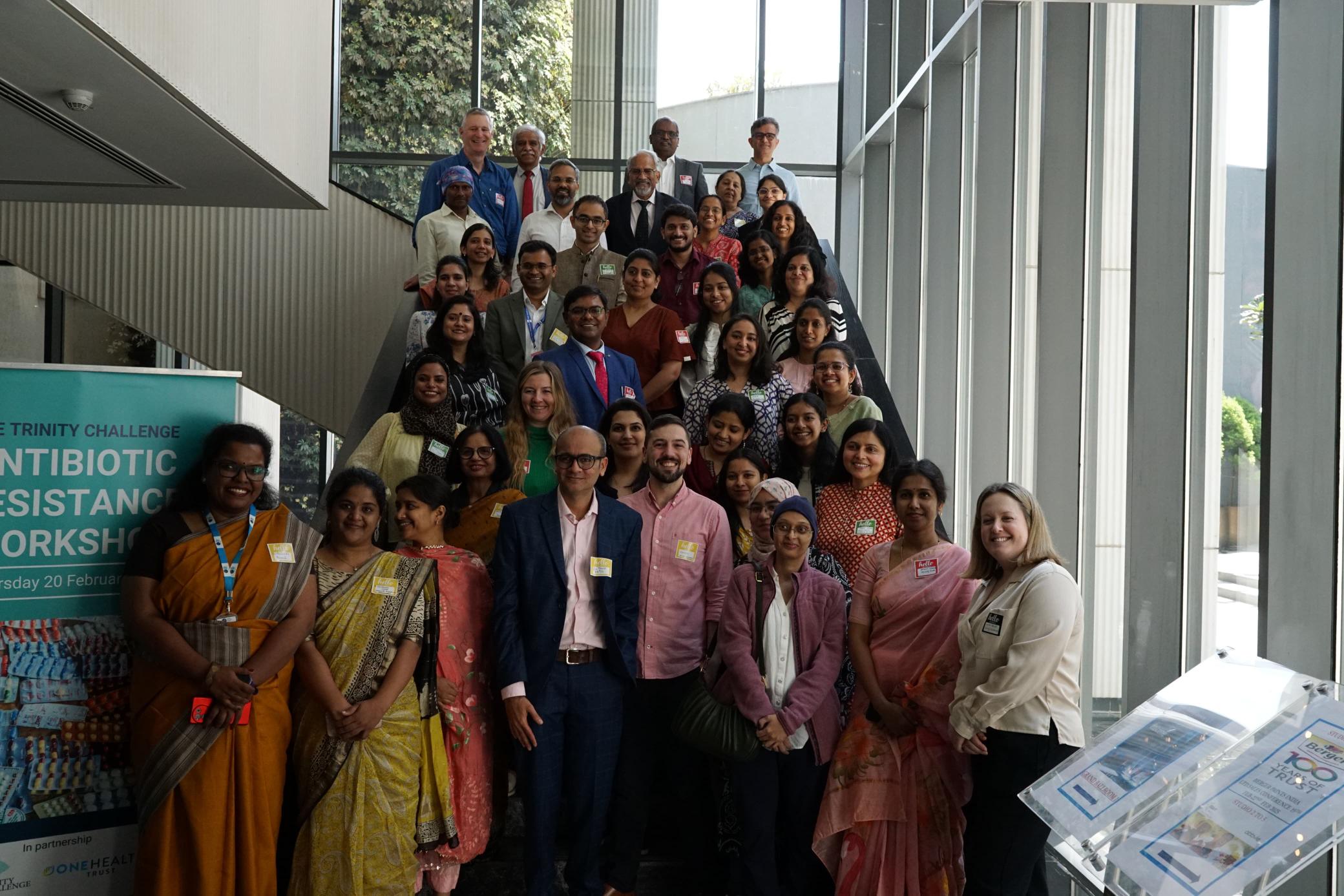
After these valuable parallel sessions, all participants from various sectors gathered in a plenary to present their findings. We also discussed the next steps, with Dr. Nienke speaking on behalf of the WHO team and Marinela Mirandela representing the INIS team.
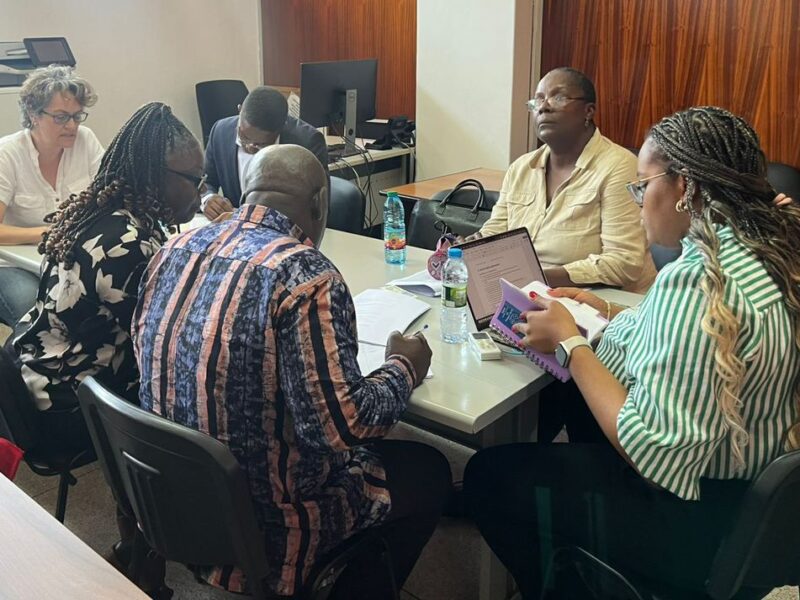
The animal health parallel session
The fourth and final day began with a visit to Dr. Paula Paixão, the director of INIS. Afterwards, we toured Josina Machel Hospital, one of the country’s largest secondary healthcare centers. We met with department heads who shared their experiences with AMR. A moving moment occurred when the head of epidemiology and IPC mentioned that her child had spent about a month in the hospital in treatment for pneumonia caused by drug-resistant bacteria, highlighting the severity of the AMR threat locally. Next, we visited David Bernardino Pediatric Hospital, located next to Josina Machel Hospital. There, we visited the microbiology laboratory and spoke with technicians who described their challenges in antimicrobial susceptibility testing—especially the need to update bacterial identification methods. The mission concluded with a debriefing session with Dr.Tomaz Valdes from the WHO country office. During the session, we reviewed all workshop activities and hospital visits and planned the next steps.
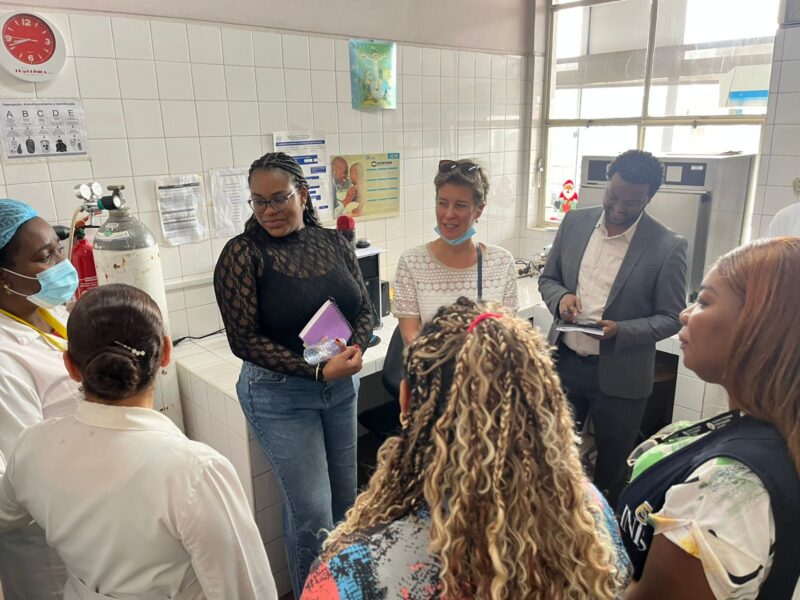 Mission team and lab technicians at the microbiology laboratory of David Bernardino pediatric hospital in Luanda
Touring Luanda
Our hosts, especially Filipa Vas and Marinela Mirandela, graciously gave us a glimpse into Angolan culture and daily life in between activities for the mission. We spent evenings touring historical sites such as the Fortaleza de São Miguel, where we learned about Angola’s colonial history and its civil war after independence, and enjoyed views of the city skyline from the top of the fort. We also took a boat ride that offered views of Ilha do Mussulo and allowed us to explore the Luanda coastline.
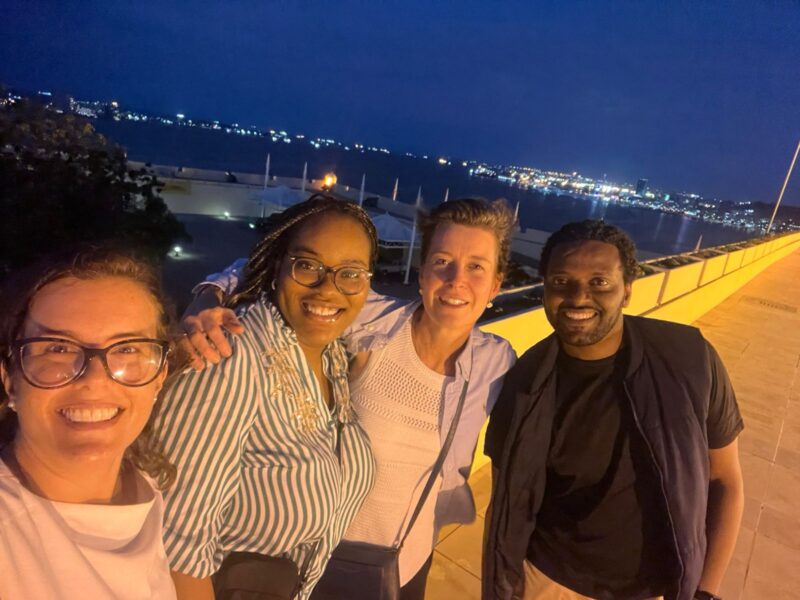 At the Fortaleza de São Miguel
Reflections and lessons learned
The mission was highly enriching and provided me with the opportunity to learn about and share my knowledge on One Health coordination and get to know the people and culture in Angola. We, as a team in the WHO mission, effectively achieved our main goal of engaging stakeholders and gathering data for the SITAN. The workshop participants were highly engaged and interactive, and they valued the platform for communicating with one another. The hospitality of our hosts made my stay even more meaningful, and I am deeply grateful for their kindness and for an enriching experience in Angola. I look forward to seeing the progress they will make by building on the momentum from this workshop and using the key findings in the SITAN to develop and implement the country’s NAP on AMR.