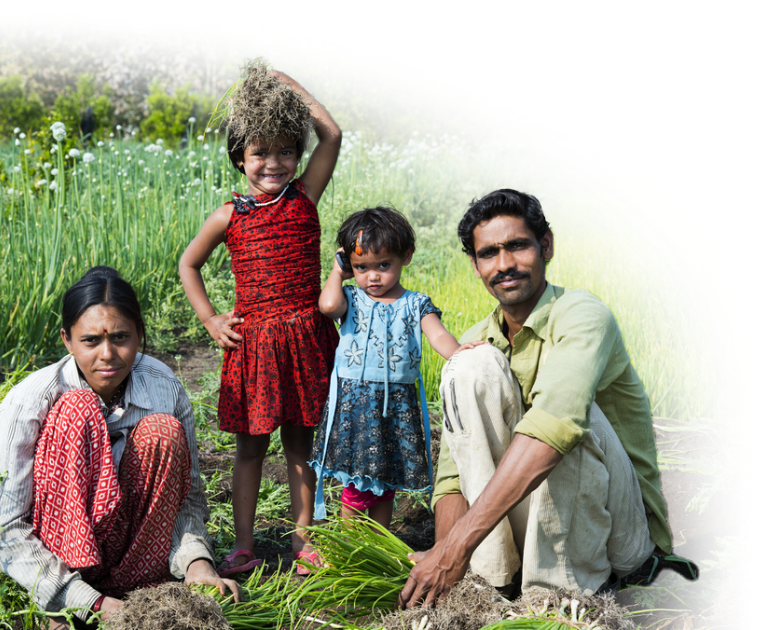
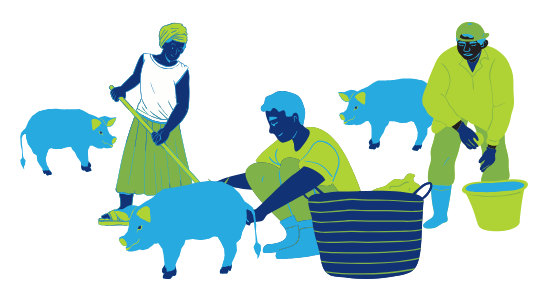
Equity. The word brings up images of fairness and equality, and in Rwanda, it’s the law. On paper, at least, women are equal to men in Rwanda.
Of course, like in so many other cases, the reality is a little different. But the Community One Health Empowerment in Rwanda (COHERS) project is working, one town, one community, and one village at a time to change that. COHERS is led by Veterinarians Without Borders North America (VWB) and implemented in Rwanda in partnership with the University of Global Health Equity (UGHE), with funding from Global Affairs Canada.
Ruth Zihiga Uwase, of UGHE in Kigali, coordinates the COHERS project there and finds that when men and women try swapping roles, they are more effective at fighting zoonotic diseases such as cysticercosis, or porcine tapeworm. This parasite infects pigs and can cause epilepsy and other symptoms in people who slaughter pigs, clean their pens, or eat contaminated pork.
For many, the idea behind gender roles often makes sense – to divide and conquer. But, as Uwase explains to One World, One Health, when everyone has a more complete picture of the problems that need solutions, everyone can apply their own particular expertise to finding a solution.
Listen as she talks about what she has found as she persuades people to challenge gender roles to fight disease.
Guest
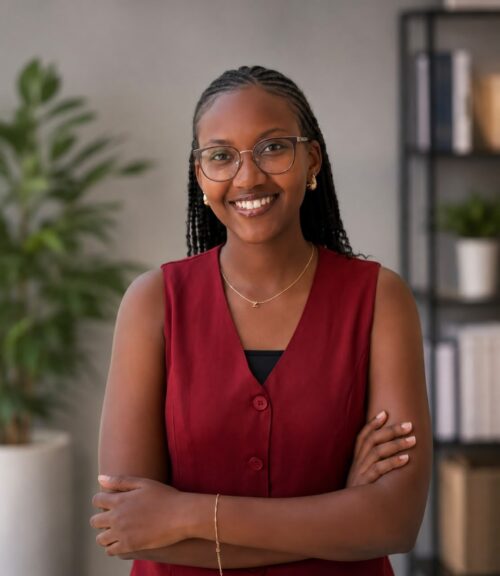
Ruth Zihiga Uwase is a researcher and Project Coordinator at the University of Global Health Equity (UGHE) in Rwanda, where she coordinates the COHERS project, a One Health initiative focused on controlling Taenia solium in people and pigs. Her work brings together research, community engagement, and project implementation to better understand and address health challenges at the human-animal-environment interface. She holds an MSc in Global Health Delivery from UGHE and a BSc in Environmental Health from Daystar University. She is passionate about translating research into practical solutions that improve health and well-being in communities.
Credits
Hosted and written by Maggie Fox
Special guest: Ruth Uwase
Produced and edited by Samantha Serrano
Music composed and sound edited by Raquel Krügel