May 21, 2026
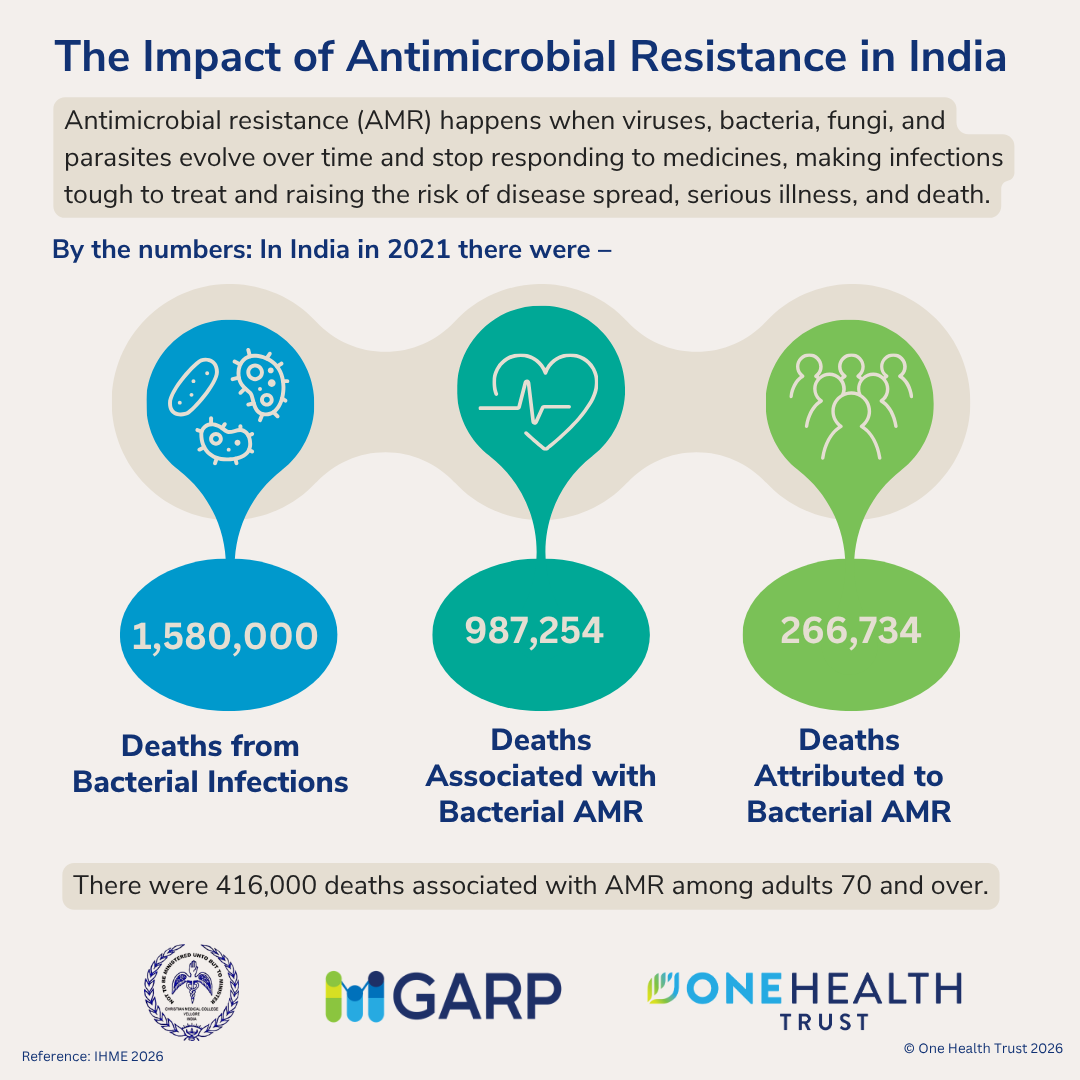
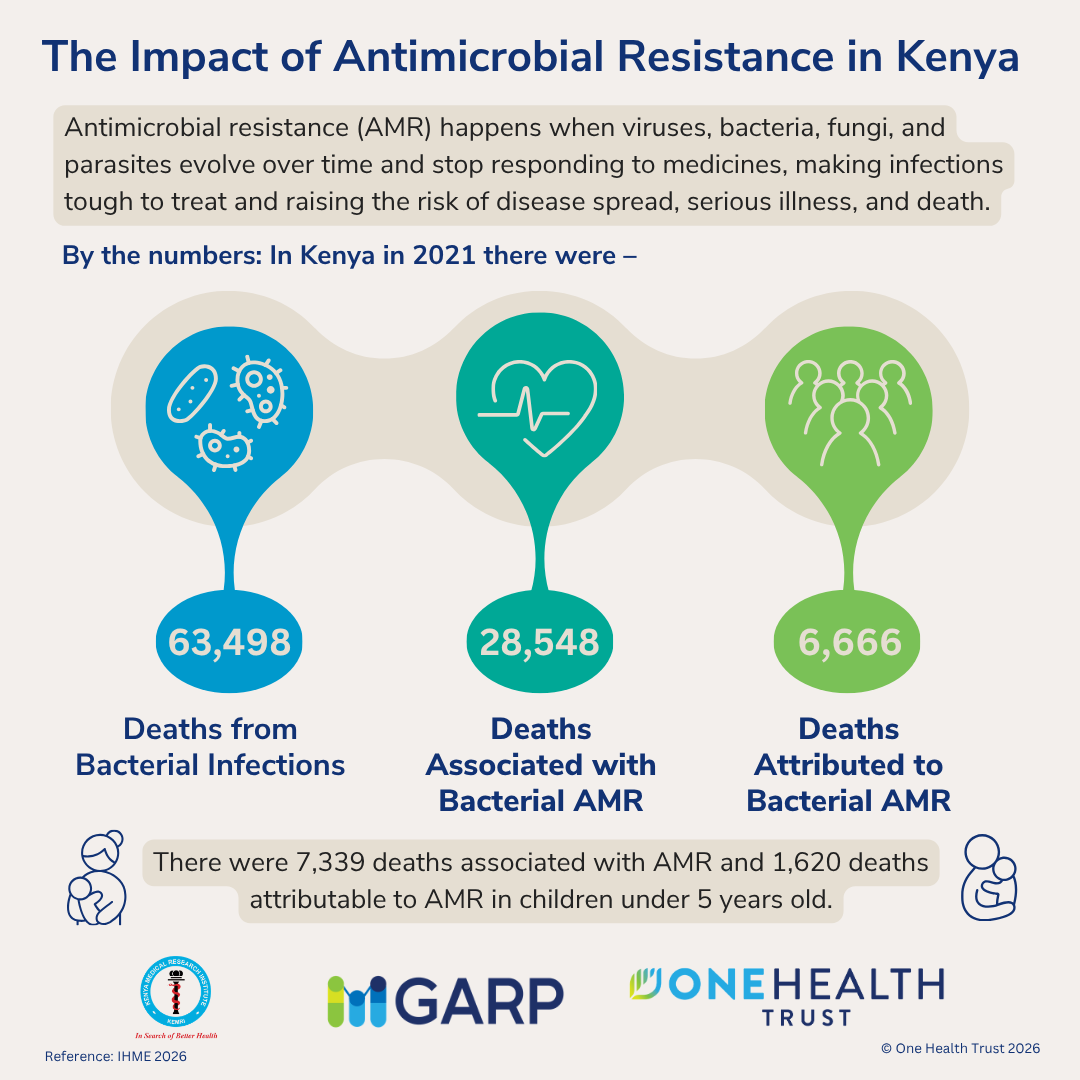
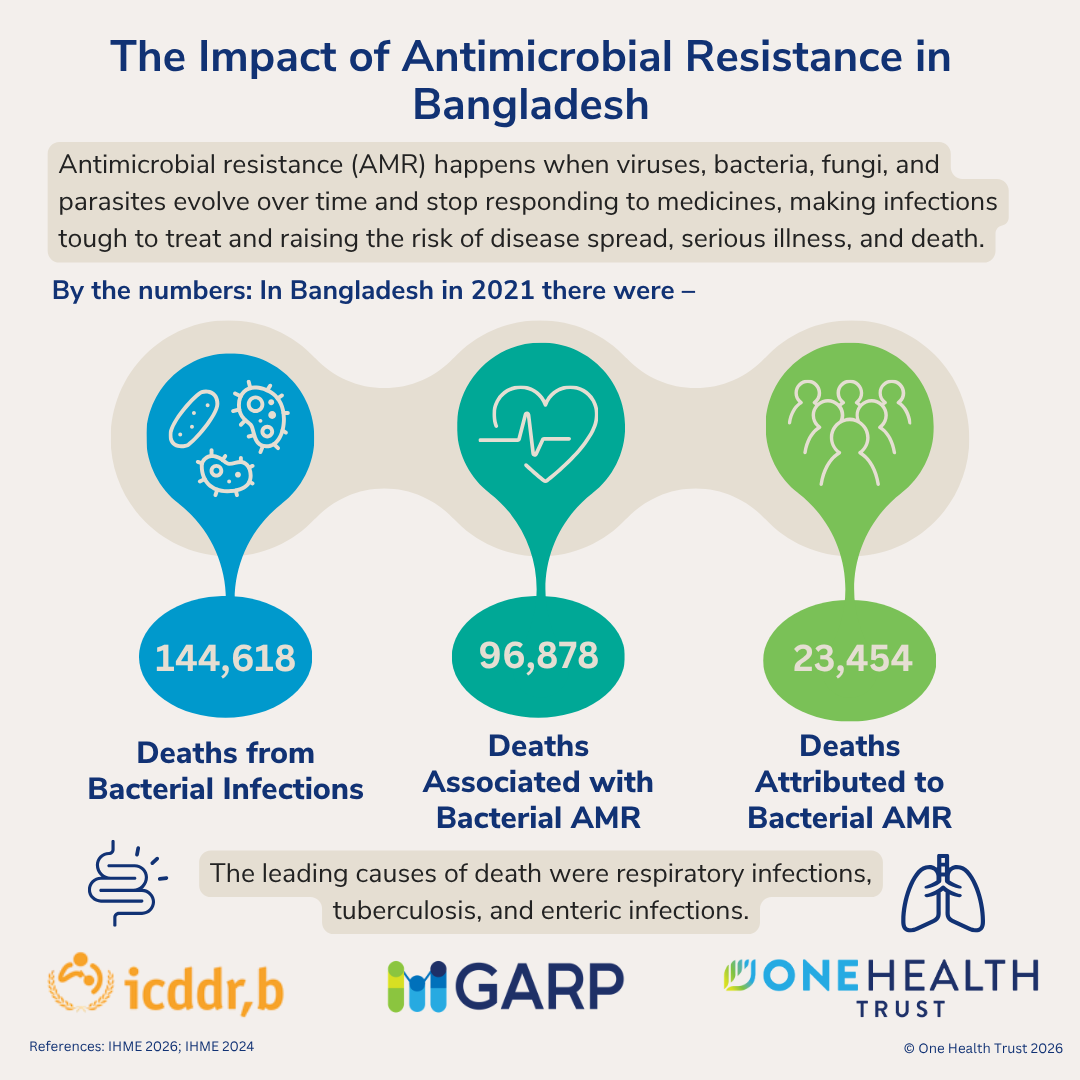
Antimicrobial resistance (AMR) happens when viruses, bacteria, fungi, and parasites evolve over time and stop responding to medicines, making infections tough to treat and raising the risk of disease spread, serious illness, and death.
By the numbers: In Bangladesh in 2021, there were –
- 144,618 Deaths from Bacterial Infections
- 96,878 Deaths Associated with Bacterial AMR
- 23,454 Deaths Attributed to Bacterial AMR
The leading causes of death were respiratory infections, tuberculosis, and enteric infections.
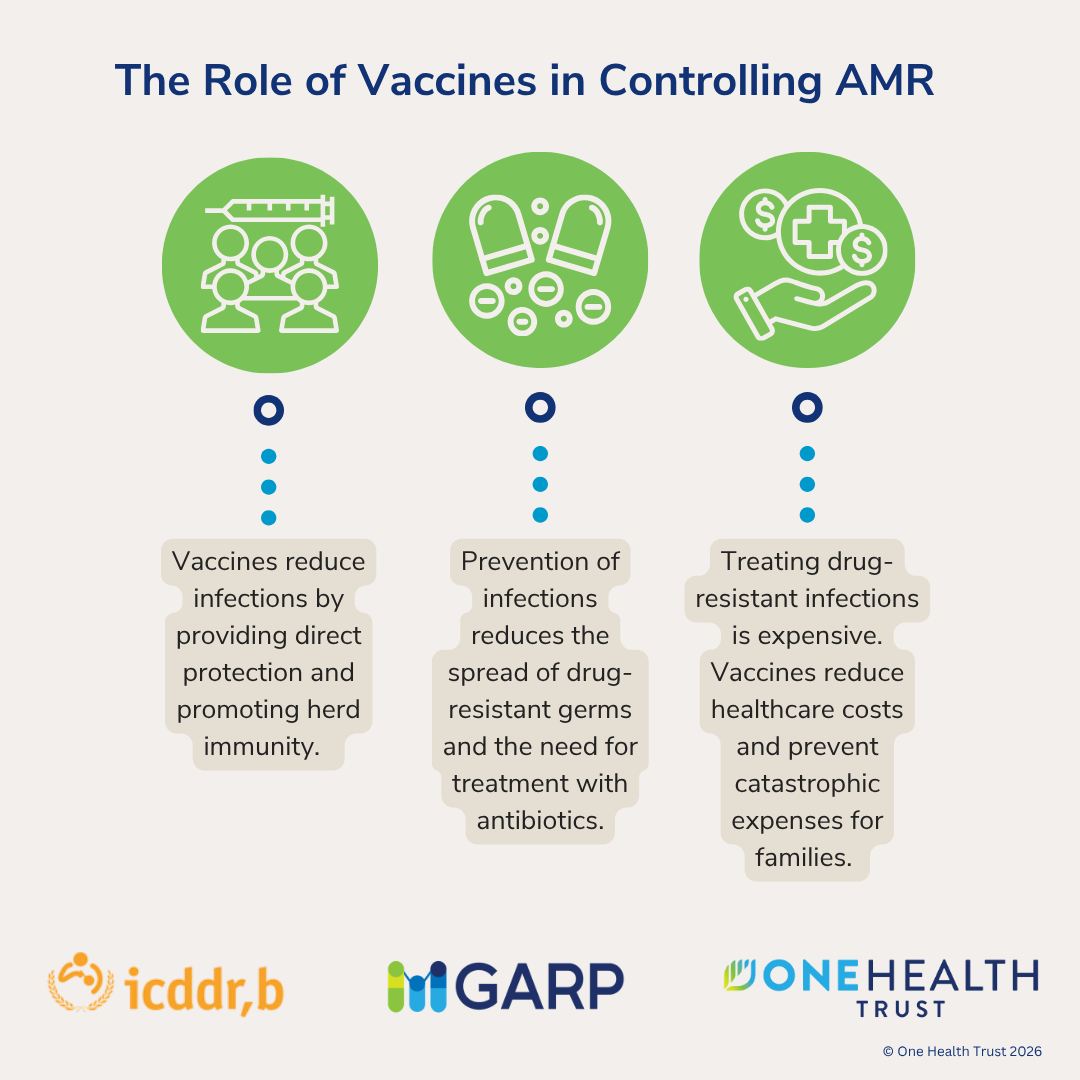
- The Role of Vaccines in Controlling AMR
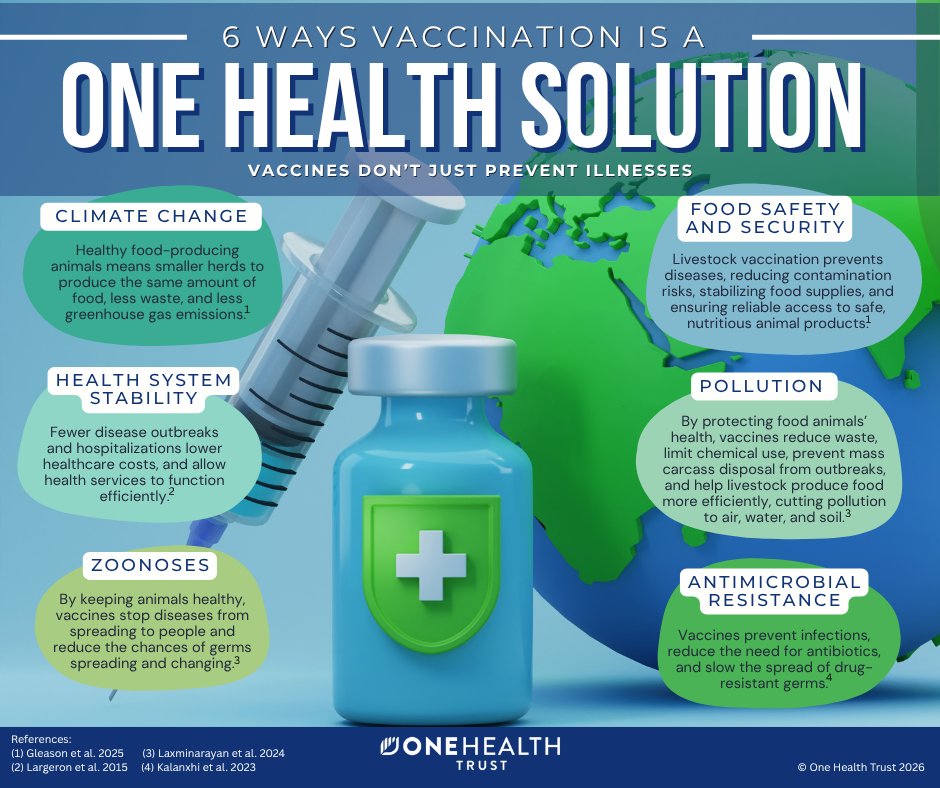
- Vaccines reduce infections by providing direct protection and promoting herd immunity.
- Prevention of infections reduces the spread of drug-resistant germs and the need for treatment with antibiotics.
- Treating drug-resistant infections is expensive. Vaccines reduce healthcare costs and prevent catastrophic expenses for families.
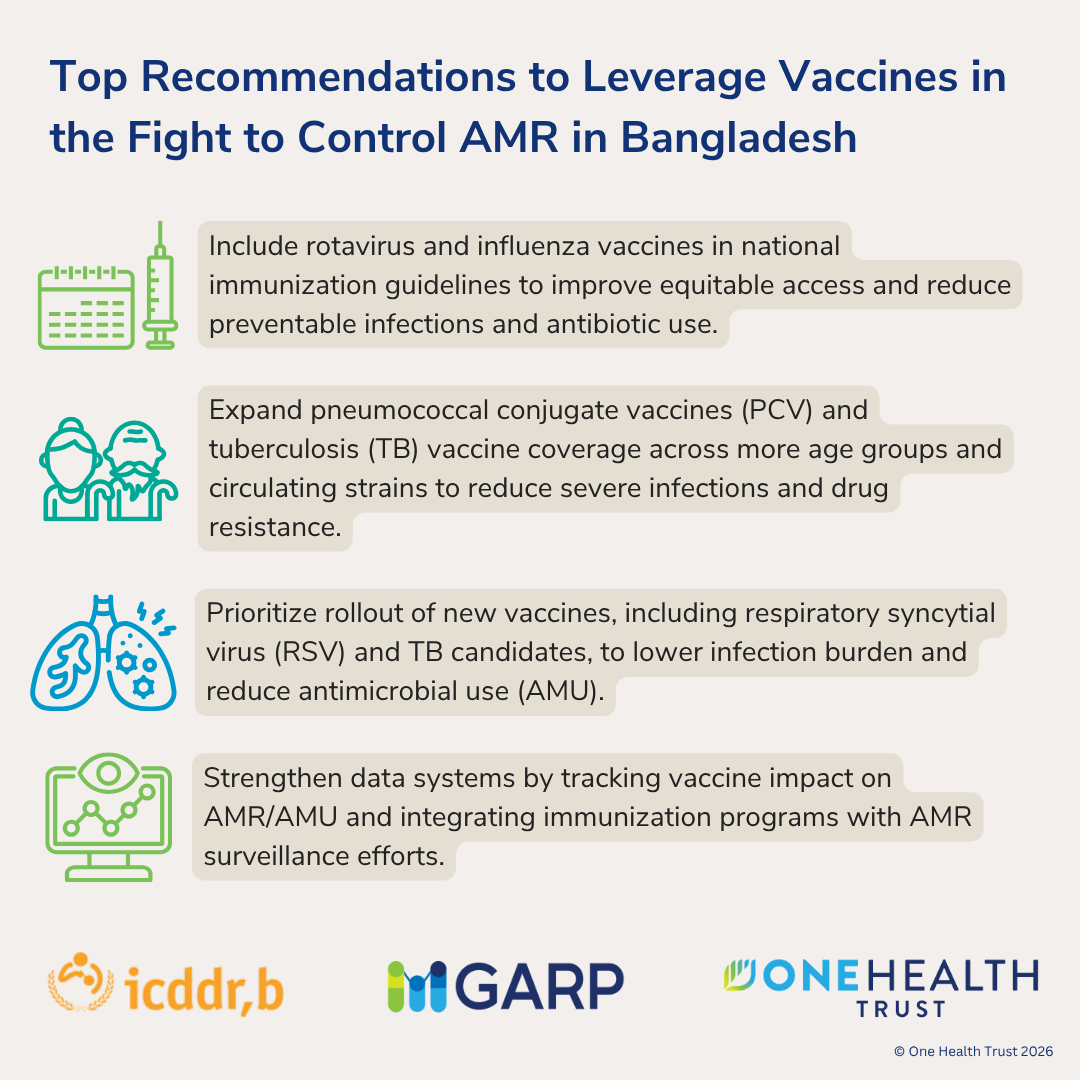
Top Recommendations to Leverage Vaccines in the Fight to Control AMR in Bangladesh
- Include rotavirus and influenza vaccines in national immunization guidelines to improve equitable access and reduce preventable infections and antibiotic use.
- Expand pneumococcal conjugate vaccines (PCV) and tuberculosis (TB) vaccine coverage across more age groups and circulating strains to reduce severe infections and drug resistance.
- Prioritize rollout of new vaccines, including respiratory syncytial virus (RSV) and TB candidates, to lower infection burden and reduce antimicrobial use (AMU).
- Strengthen data systems by tracking vaccine impact on AMR/AMU and integrating immunization programs with AMR surveillance efforts.