March 27, 2026
What is the burden of antimicrobial resistance in Kenya? How can vaccines be leveraged to help control this growing health crisis in the country?
Read the GARP-Kenya Policy Brief and Report, “The Value of Vaccines in Mitigating Antimicrobial Resistance in Kenya,” to learn more.
Executive Summary
Antimicrobial resistance (AMR) is a growing global public health crisis that threatens to undo decades of progress. In 2021, an estimated 1.14 million deaths worldwide were attributed to bacterial AMR, with adults aged 70+ experiencing a more than 80 percent increase in AMR- related mortality. AMR occurs when microorganisms, such as bacteria, viruses, parasites, or fungi, become resistant to antimicrobial treatments to which they were susceptible. One of the primary drivers of AMR is the overuse and misuse of antibiotics in both human medicine and agriculture. In many countries, including Kenya, antibiotics are sometimes prescribed unnecessarily or used incorrectly. This can lead to the survival and proliferation of resistant bacteria.
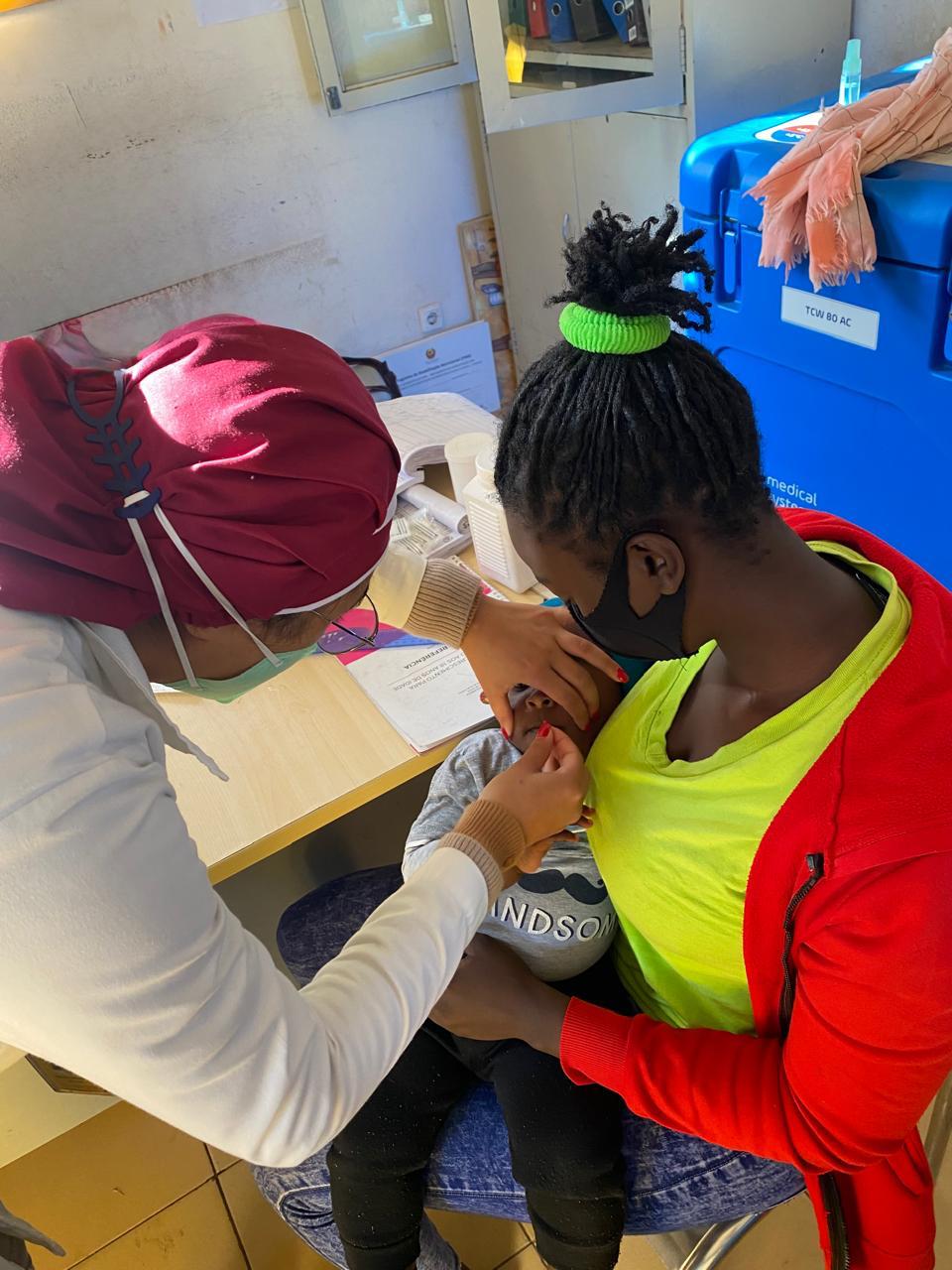
The best approach to mitigate the rising AMR burden is to significantly reduce infection vulnerabilities across human and animal populations through vaccination. Vaccines safeguard people and animals by preventing infections and their onward transmission, whether antimicrobial resistant or not. This reduces the need for antimicrobial treatments, which lowers the selective pressure on microbial populations that drives the development and spread of resistance. The vaccination approach is cost-effective and an appropriate strategy in Kenya, where healthcare resources are limited and health systems already under significant financial strain. Surveillance data from a Kenyan hospital showed a
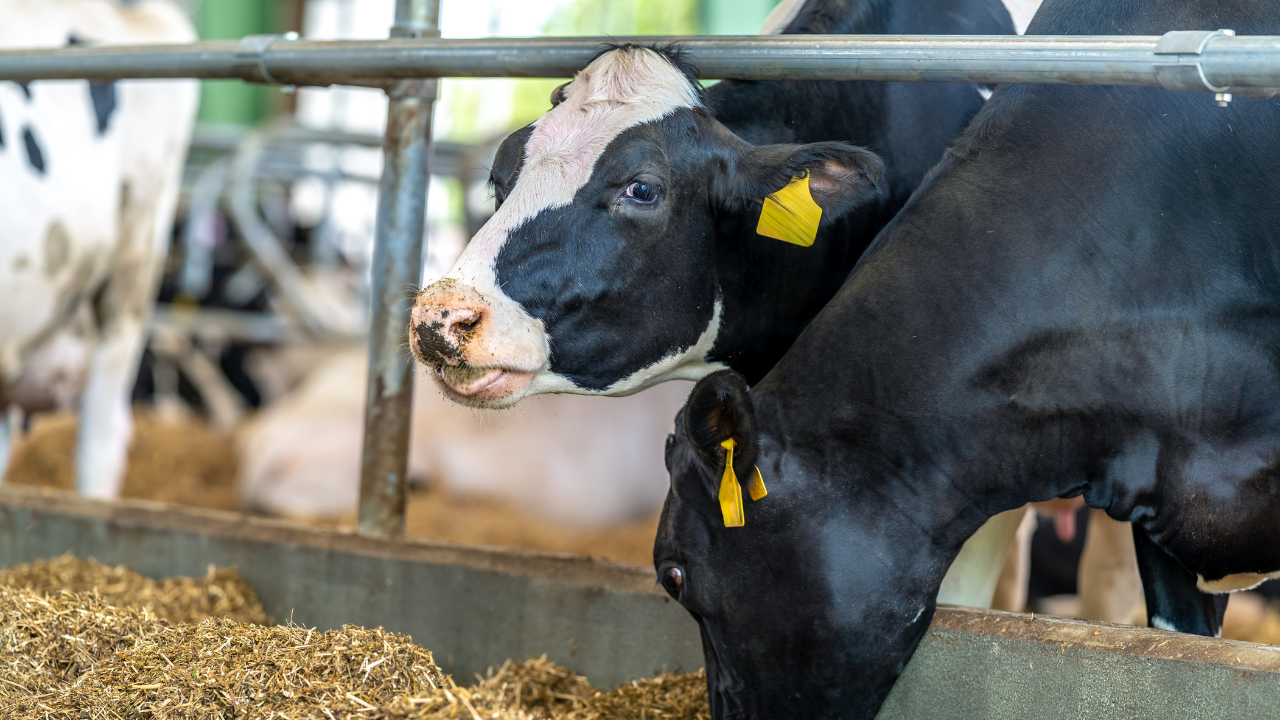
decline in penicillin-resistant Streptococcus pneumoniae prevalence from 28 percent in 2009 to 12 percent in 2014, following the introduction of the pneumococcal conjugate vaccine (PCV). By 2019, Kenya reported a 92 percent reduction in PCV-10-type invasive pneumococcal disease among children under five years and a 74 percent reduction in unvaccinated children aged 5–14 years. Separately, a 39 percent reduction in malaria incidence was reported among children aged 5–7 months who received three doses of malaria vaccine. Efforts to combat AMR in humans through vaccination require a One Health approach, with similar vaccination efforts extended to animals because of the inevitable spread of microbes between humans and animals.
Although the role of vaccines in combating AMR is well recognized, it remains underutilized in national AMR action plans. For instance, Kenya’s 2023–2027 plan emphasizes investment in research for new medicines and vaccines but lacks a defined strategy for adopting and integrating available vaccines into AMR control efforts. Addressing this gap through explicit vaccine deployment strategies is essential for strengthening the country’s AMR mitigation framework. This policy brief leverages the expertise of the AMR Technical Working Group (TWG) and current data to highlight Kenya’s AMR status and propose vaccine adoption as a solution to the growing AMR threat.
Key Recommendations for Vaccines as an AMR Mitigation Tool
1. Vaccination should be leveraged to combat AMR by preventing infections and reducing antibiotic misuse.
2. Addressing vaccine hesitancy is essential for the success of immunization programs.
3. Maintaining existing vaccines within Kenya’s immunization schedule while increasing their coverage is essential for sustained public health impact.
4. Increase coverage of newly introduced vaccines, such as the typhoid conjugate vaccine (TCV), to address endemic diseases and reduce the burden on healthcare systems.
5. Addressing gaps in vaccine accessibility and distribution is necessary to achieve equitable health outcomes and strengthen AMR mitigation efforts.
This publication was prepared by the Global Antibiotic Resistance Partnership (GARP)-Kenya.
GARP-Kenya Technical Working Group Members:
Dr. Robert Onsare, PhD, Chairperson, Acting Deputy Director, One Health Approach Research Program, Principal Research Scientist, KEMRI; Prof. Sam Kariuki, PhD, Eastern Africa Director, DNDi & former Acting Director General, KEMRI; Prof. Gunturu Revathi, MD, Head of Clinical Diagnostic Microbiology, Department of Pathology & Consultant Pathologist at AKU & AKUH; Dr. Sylvia Gachoka, MD Infectious Disease Physician, Defence Forces Memorial Hospital, Nairobi, Kenya; Dr. Annemarie Macharia, MD, Infectious Disease physician & pediatrician, University of Nairobi (UoN); Dr. Anthony Sifuna, PhD, Senior Lecturer of Biochemistry, Department of Medical Biochemistry, Masinde Muliro University of Science and Technology; Dr. Andrew Nyerere, PhD, Senior Lecturer & Former Chairperson, Department of Medical Microbiology, College of Health Sciences, JKUAT; Dr. Patrick Irungu, PhD, Senior Lecturer, Department of Agricultural Economics, UoN; Dr. Christine Karanja-Chege, MD, Kenyatta University & Kenya Pediatric Association; Dr. David Githanga, MD, PhD, Pediatrician, Cardiologist & Public Health Specialist, Nairobi Hospital; Dr. Christine Makena, BVM, Secretary, Country Project Coordinator, KEMRI
One Health Trust:
Dr. Erta Kalanxhi (Chair), Dr. Oluwatosin Ajayi, Mr. Felix Bahati, Mr. Rishi Bhagawati, Dr. Oluoma Agiri, Ms. Simran More, Dr. Samantha Serrano
Download the full policy brief here.
Download the full report here.