November 28, 2025
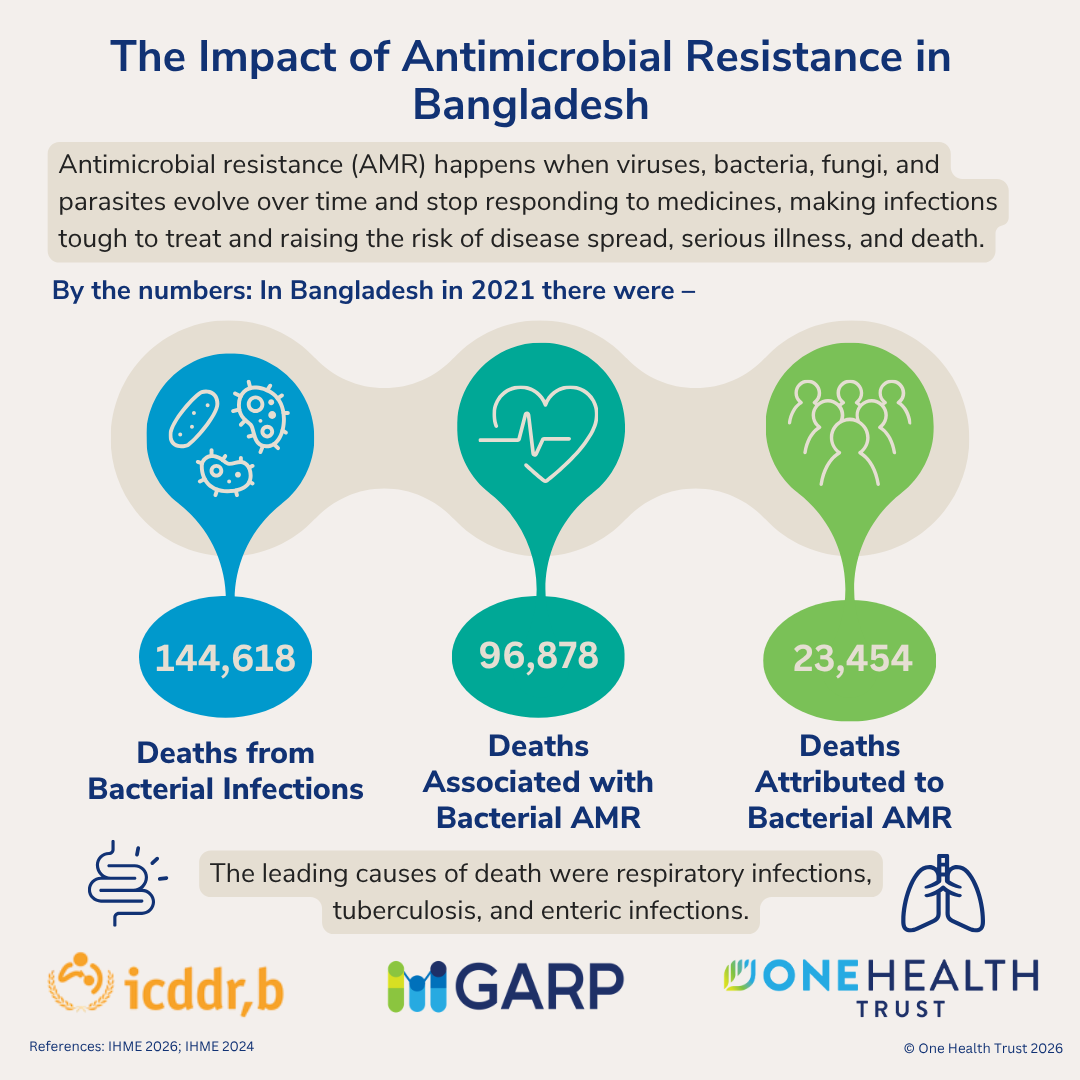
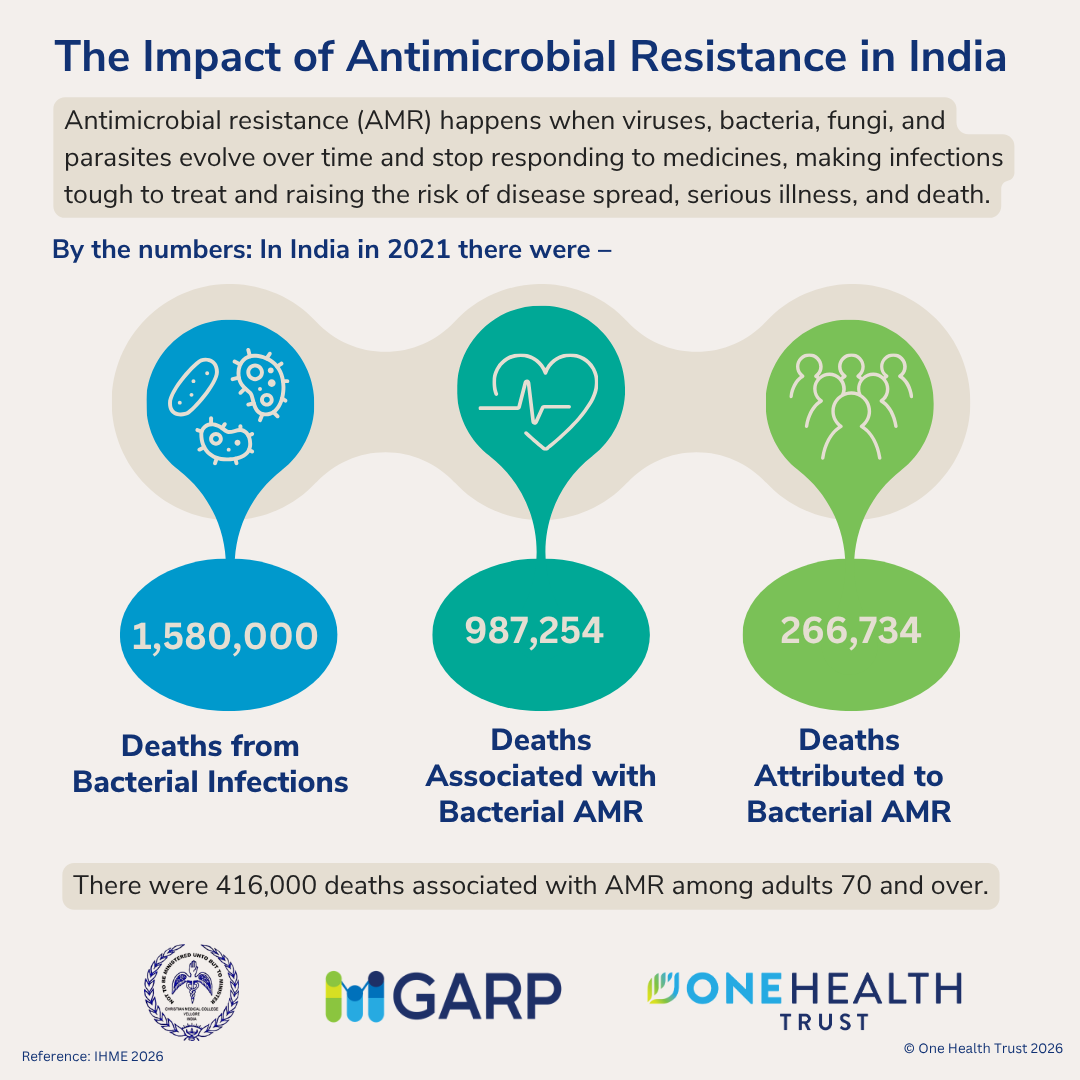
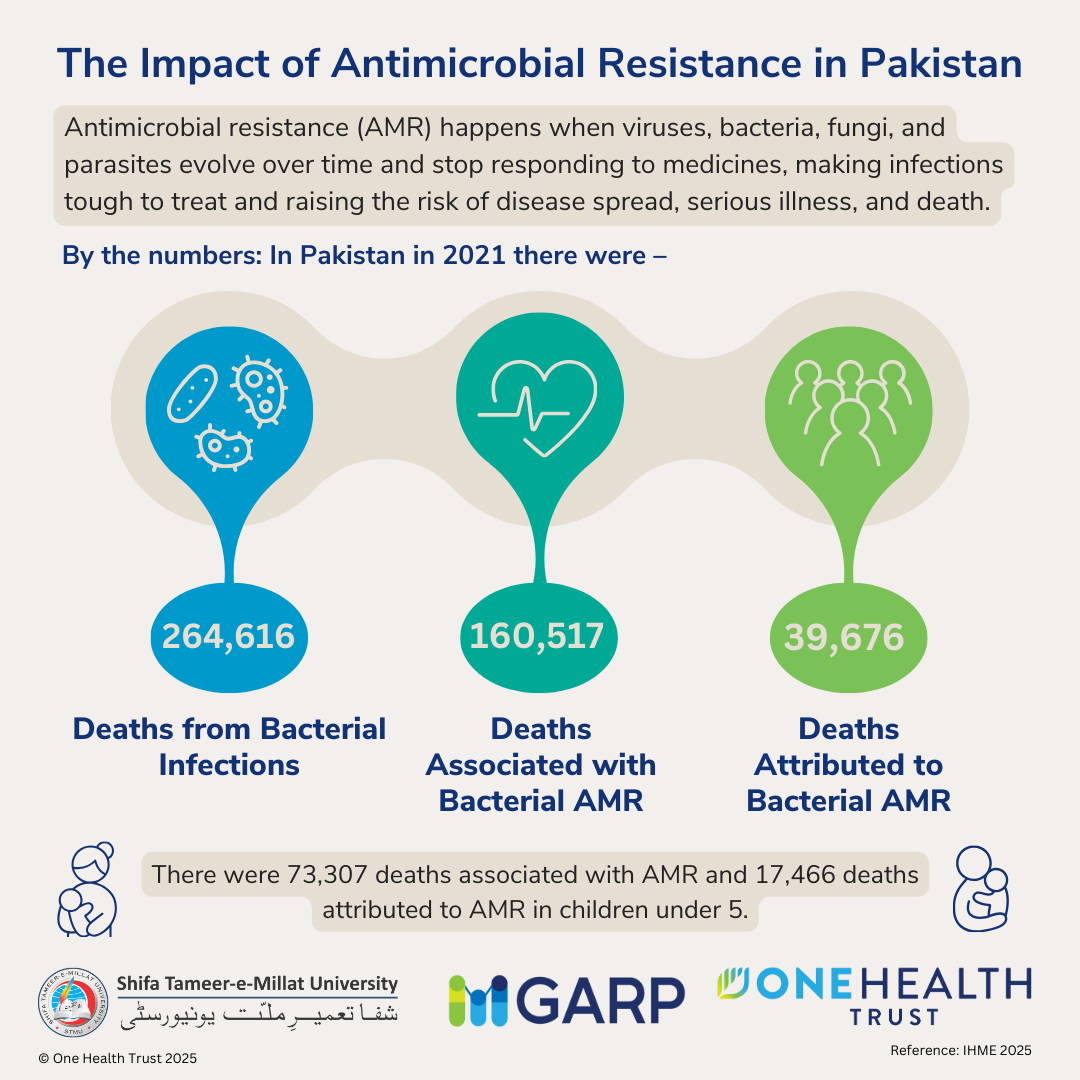
Antimicrobial resistance (AMR) happens when viruses, bacteria, fungi, and parasites evolve over time and stop responding to medicines, making infections tough to treat and raising the risk of disease spread, serious illness, and death.
By the numbers: In Pakistan in 2021, there were:
- 264,616 Deaths from Bacterial Infections
- 160,517 Deaths Associated with Bacterial AMR
- 39,676 Deaths Attributed to Bacterial AMR
There were 73,307 deaths associated with AMR and 17,466 deaths attributed to AMR in children under 5.
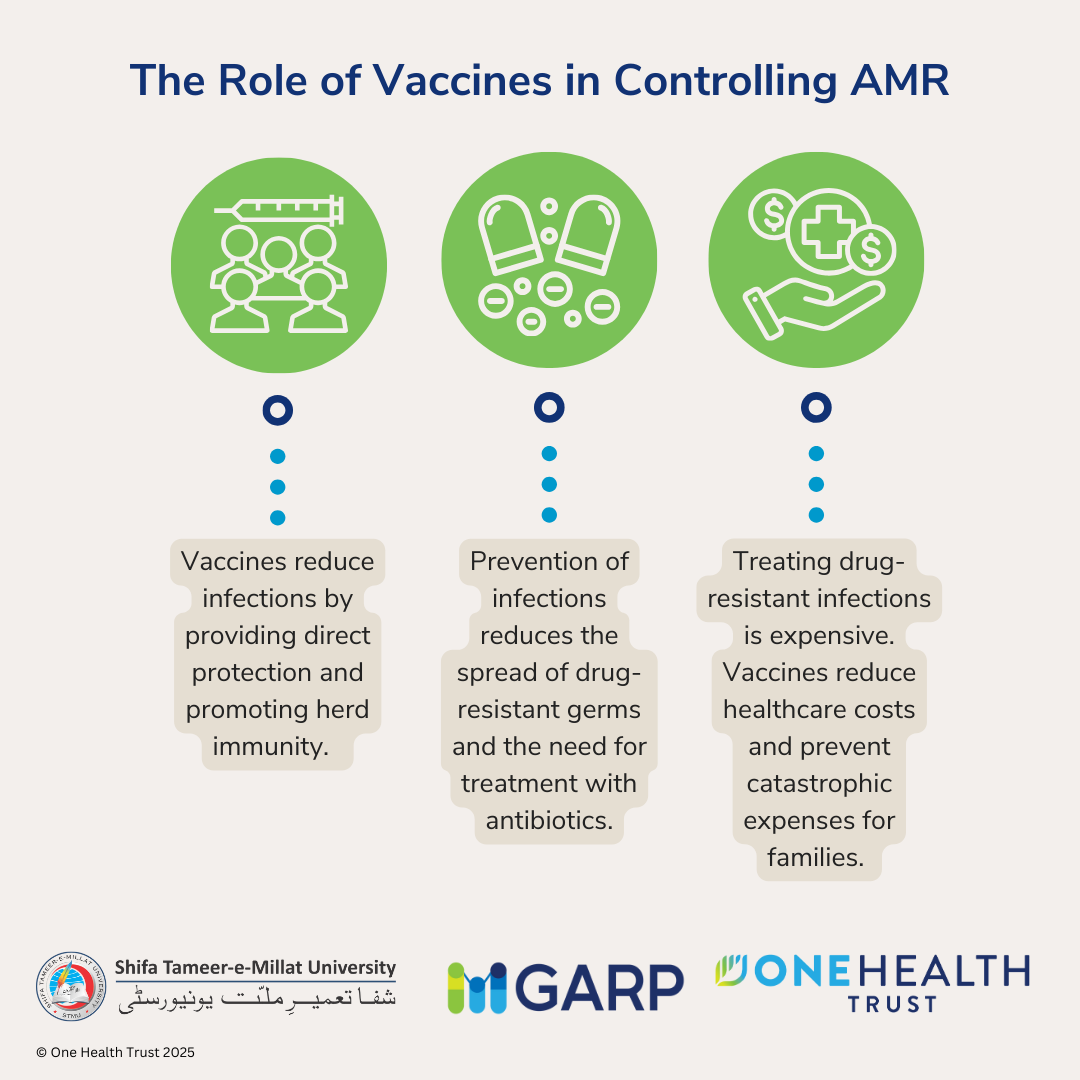
The Role of Vaccines in Controlling AMR
- Vaccines reduce infections by providing direct protection and promoting herd immunity.
- Prevention of infections reduces the spread of drug-resistant germs and the need for treatment with antibiotics.
- Treating drug-resistant infections is expensive. Vaccines reduce healthcare costs and prevent catastrophic expenses for families.
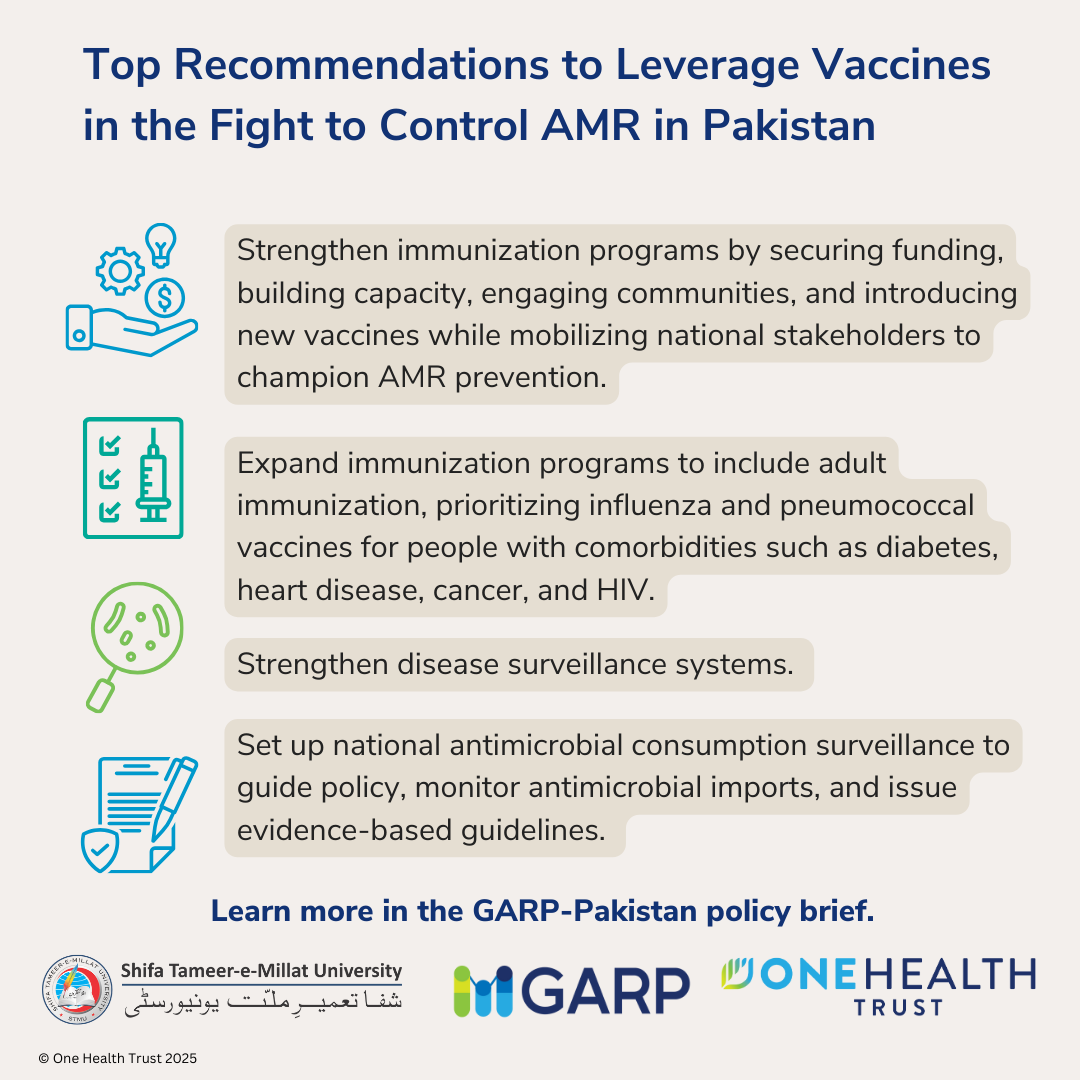
Top Recommendations to Leverage Vaccines in the Fight to Control AMR in Pakistan
- Strengthen immunization programs by securing funding, building capacity, engaging communities, and introducing new vaccines while mobilizing national stakeholders to champion AMR prevention.
- Expand immunization programs to include adult immunization, prioritizing influenza and pneumococcal vaccines for people with comorbidities such as diabetes, heart disease, cancer, and HIV.
- Strengthen disease surveillance systems.
- Set up national antimicrobial consumption surveillance to guide policy, monitor antimicrobial imports, and issue evidence-based guidelines.
Learn more in the GARP-Pakistan policy brief here.