October 20, 2025

The estimation of pharmaceutical use through wastewater surveillance
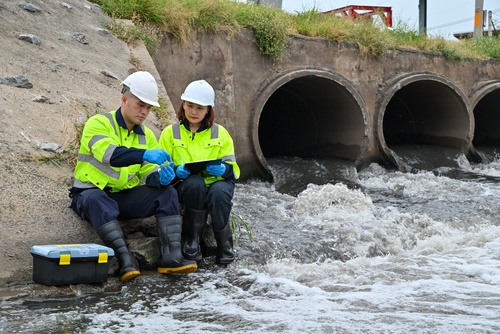
Researchers including OHT’s Gilbert Osena analyzed 15 years of data to understand how accurately wastewater surveillance can estimate community-level pharmaceutical use. They studied the discharge of three wastewater treatment plants for active pharmaceutical ingredients (API) compared with pharmaceutical sales data. To evaluate consistency across time, treatment plants, and pharmacological characteristics, researchers calculated conversion factors (CFs), which are ratios of recovered API mass to projected consumption. CFs demonstrated that wastewater data can accurately indicate patterns of medication intake. Drug characteristics and treatment removal efficiency had little influence, while analytical precision strongly affected reliability. Although it was less sensitive to minute shifts in usage patterns, the technique successfully caught large usage trends. The results show that wastewater surveillance is a reliable, extendable, and economical method of tracking drug usage, especially in areas without extensive prescription or sales data systems. [Environment International]
New report provides a roadmap to build resilient food systems that support both human well-being and planetary health
The EAT-Lancet Commission, which includes OHT’s Dr. Ramanan Laxminarayan, published a report underscoring that while current food systems have technically succeeded in producing adequate calories for a growing global population, they are now the primary driver of environmental degradation, exceeding planetary boundaries. At the same time, over half the world’s population lacks access to a healthy diet, resulting in malnutrition, hunger, and rising obesity. The authors affirm that transforming food systems is essential—not only for improving health and nutrition—but also for achieving global targets such as the Sustainable Development Goals, the Paris Agreement, and the Global Biodiversity Framework. Food systems, they contend, offer a critical opportunity to enhance resilience across health, environmental, and economic sectors. The commission proposes a planetary health diet– that is adaptable, plant rich, and culturally flexible – and a model to feed everyone on earth sustainably, promoting justice and equity in food systems. [The Lancet Commissions]
Higher-quality public health facilities are linked to increased childbirth in healthcare centers in India.
An OHT analysis of a nationally representative survey of 44,571 households and 1,510 health facilities in India (2015–2016) found that mothers living near higher-quality, rather than lower-quality, public health facilities were more likely to deliver their babies in these facilities instead of private facilities or at home. Poorer households had less access to high-quality facilities, widening disparities in institutional delivery rates between wealth groups. Equipment and vaccine availability most strongly influenced delivery choices, followed by staffing levels in urban areas and infrastructure in rural areas. These findings suggest that targeted investments to improve public facility quality, particularly in low-income areas, could increase institutional delivery rates and reduce maternal mortality nationwide. [SSM – Health Systems]
Global surveillance reveals expanding and unevenly distributed antibiotic resistance worldwide.
The World Health Organization’s Global Antimicrobial Resistance and Use Surveillance System (GLASS) was launched in 2015 to strengthen evidence on the threat of antimicrobial resistance (AMR). OHT’s Dr. Kalanxhi served as an external reviewer for the latest GLASS report, which analyzed over 23 million confirmed infections from both hospitals and communities across 104 countries. It found that resistance to key antibiotics is widespread, rising, and unevenly distributed across regions. One in three urinary tract infections and one in six bloodstream infections were resistant to first-line treatments. Resistance levels were highest in low- and middle-income countries with limited AMR surveillance and less robust health infrastructure. [World Health Organization]
There are not enough new tests and treatments in development for bacterial infections to address AMR.
Due to a dearth in the development of new drugs and diagnostics for bacterial infections, the World Health Organization (WHO) cautions that efforts to address antimicrobial resistance (AMR) are falling behind schedule. According to the WHO’s 2025 report, there are only 90 antibacterial agents in development, which is less than the number of agents in development in 2023. The WHO also affirms that the majority of the agents in development are not very innovative or effective against prioritized drug-resistant bacteria. Small biotech firms drive most research, making the ecosystem fragile. There are also significant gaps in access to quick, inexpensive diagnostics, particularly in low- and middle-income countries. Simple point-of-care diagnostics, biomarker testing to differentiate between bacterial and viral illnesses, and bloodstream infection detection devices are among the main shortages. WHO urges immediate international investment to advance diagnostics innovation, antibiotic research and development, and fair access to life-saving therapies. [World Health Organization]
The growing threat of Gram-negative bloodstream infections in cancer patients
A recent study examined Gram-negative bloodstream infections (BSIs) in cancer patients in a hospital in Turkey between 2019 and 2023, revealing alarming resistance trends. In 435 patients, E. Coli, Klebsiella, and Pseudomonas bacteria were most common among 569 infection episodes. With significant rates of extended-spectrum beta-lactamase generation and carbapenem resistance, especially in Klebsiella and Acinetobacter, nearly half of the isolates were multidrug-resistant. Patients with hematologic malignancies had a higher incidence of catheter-related infections. Although aminoglycosides and meropenem continued to be reasonably effective, there was widespread resistance to broad-spectrum antibiotics such as piperacillin-tazobactam. The study highlights the increasing concern of antibiotic resistance in immunocompromised cancer patients and advocates for improved antimicrobial stewardship, ongoing resistance monitoring, and the creation of innovative medicines. [Tropical Medicine and Health]
Community awareness and practices surrounding substandard and fake medicines in Uganda
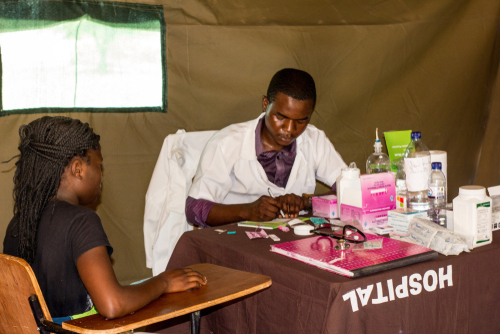
A study on community awareness and practices related to substandard and falsified (SF) medications used for humans and animals was carried out in the Wakiso District of Uganda. Researchers revealed widespread misconceptions and a lack of expertise in identifying counterfeit or subpar medications by surveying consumers, veterinary professionals, and healthcare providers. Instead of using reputable sources, many respondents turned to unofficial vendors or visual inspection, which increased their exposure to dangerous medications. The issue was made worse by inadequate supply chain controls and little regulatory scrutiny. Participants hardly ever reported questionable products, even though they were aware of the health hazards. To lessen the effects of SF medications on livelihoods, health, and antimicrobial resistance in both human and animal care systems, the authors call for improved community involvement, tougher enforcement, and increased public education. [Journal of Pharmaceutical Policy and Practice]
Brazil’s HPV vaccination program caused a sharp decline in cervical cancer.
A population-based study of women aged 20–24 years in Brazil found that the introduction of the national human papillomavirus (HPV) vaccination program led to a 58 percent reduction in cervical cancer and a 67 percent reduction in severe precancerous lesions compared with women born before the program began. No similar trends were seen for other cancers, supporting a causal effect of vaccination. These results highlight the importance of expanding vaccine access and strengthening public health campaigns to improve coverage globally. [The Lancet Global Health]
Large-scale genomic study reveals global drug resistance patterns in Neisseria gonorrhoeae.
A global genomic study of 38,585 Neisseria gonorrhoeae samples revealed antimicrobial resistance driven by widespread resistance genes, including efflux pumps that expel antibiotics from bacterial cells and beta-lactamase enzymes that break down drugs. Laboratory testing showed high resistance to older gonorrhea treatments such as penicillin and spectinomycin, while newer drugs such as zoliflodacin and gentamicin remained largely effective. The study also identified significant regional variation in resistance patterns, reflecting bacterial adaptation to local antibiotic use and other ecological pressures. These findings highlight the need for global surveillance and targeted antibiotic stewardship to combat drug-resistant gonorrhea. [PLOS Neglected Tropical Diseases]
Contaminants in wastewater treatment plants fuel the spread of antimicrobial resistance genes.
A literature review examining antimicrobial resistance in wastewater treatment plants (WWTPs) found that the facilities are major reservoirs for antimicrobial resistance genes (ARGs) and chemical pollutants. Substances such as pharmaceuticals, personal care products, microplastics, and heavy metals can interact with bacteria inside WWTPs, promoting the spread of resistance genes through horizontal gene transfer and co-selection. The authors recommend expanding surveillance using advanced genetic testing and improving treatment technology to limit the release of resistant microbes into the environment and protect human, animal, and ecosystem health. [Annals of Microbiology]
Image from Shutterstock