September 03, 2025
What is the burden of antimicrobial resistance in South Africa? How can vaccines be leveraged to help control this growing health crisis in the country?
Read the GARP-South Africa Policy Brief, “The Value of Vaccines to Mitigate Antimicrobial Resistance in South Africa,” to learn more.
Executive Summary
Antimicrobial resistance (AMR) is an urgent global health crisis associated with millions of deaths each year. In South Africa, AMR was linked to 35,054 deaths in 2021, underscoring the need for effective interventions to combat AMR and mitigate its health and economic burden.
Key Drivers of AMR in South Africa:
1. High infectious disease incidence: South Africa faces a significant burden of infectious diseases, many of which could be mitigated through vaccination. The rise of drug-resistant pathogens further complicates treatment and increases the health and economic burden of infections.
2. Antimicrobial overuse and misuse: Excessive and inappropriate use of antimicrobials in health care and agriculture has accelerated the development of resistant pathogens. Socioeconomic factors, such as poverty and limited health literacy, exacerbate this issue.
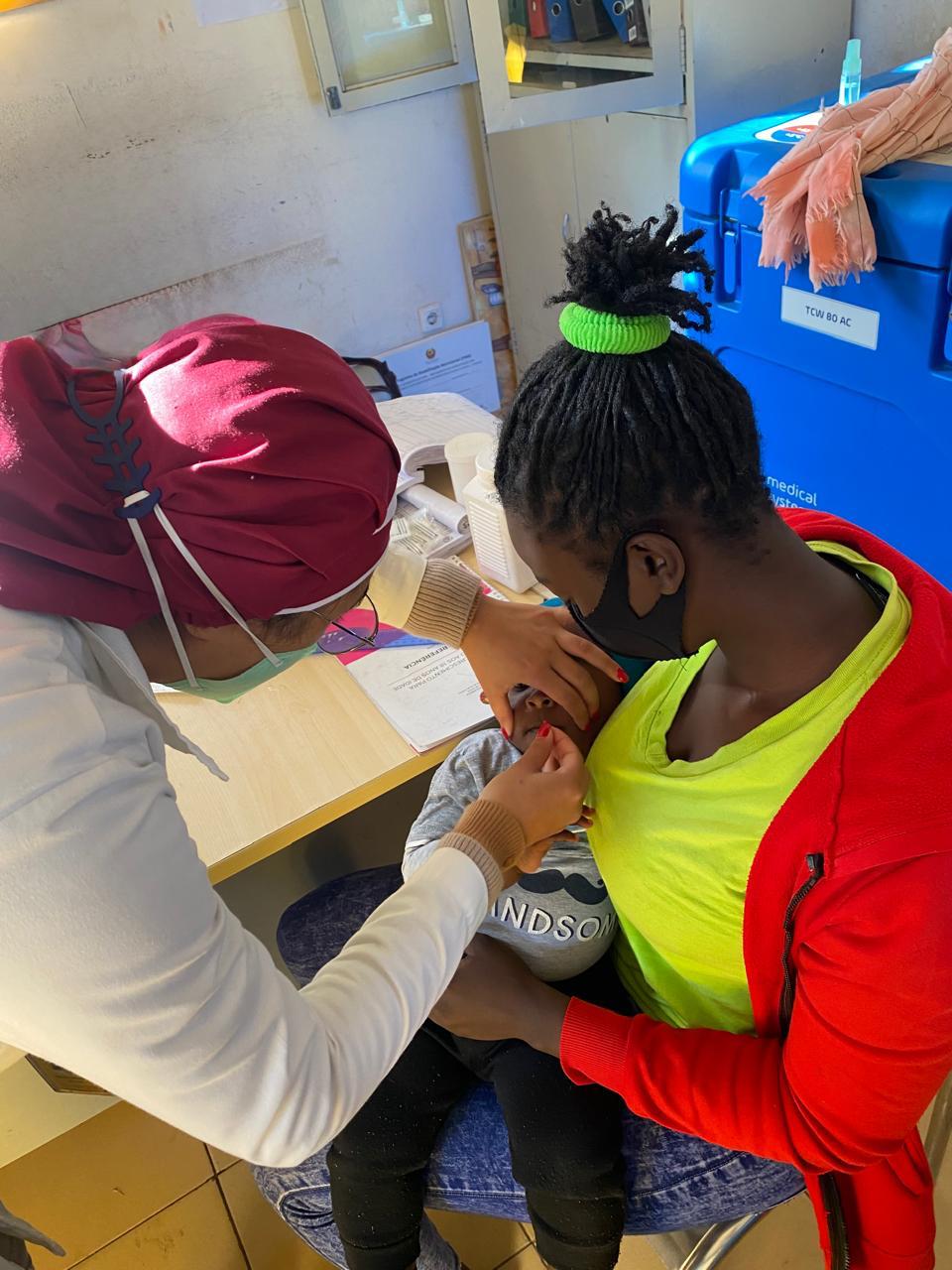
Role of Vaccination in Mitigating AMR Vaccines are a crucial yet underused resource in the fight against antimicrobial resistance in South Africa. By preventing infections and reducing antimicrobial use, immunization programs could provide a sustainable and cost-effective solution to curb the rise of drug-resistant pathogens. The strategic integration of vaccines into national health policies, combined with targeted education and awareness initiatives, is crucial for maximizing the potential of vaccines in combating antimicrobial resistance.
Key Recommendations for the Use of Vaccines to Mitigate AMR
1. Strengthen health care infrastructure to ensure universal vaccine coverage through widespread distribution and equitable access.
2. Incorporate vaccines with significant potential to reduce AMR into the national immunization schedule.
3. Quantify the economic benefits of addressing AMR through vaccination to demonstrate its cost-effectiveness and advantages.
4. Implement strategies that build confidence in vaccines and restore trust in the health care system and immunization programs. Use educational and awareness campaigns to enhance the public’s understanding of AMR and the importance of vaccines in preventing infections and reducing the impact of AMR.
This publication was prepared by the Global Antibiotic Resistance Partnership – South Africa.
GARP Technical Working Group members:
Prof. Adrian Brink, University of Cape Town (Chair); Prof. Natalie Schellack, University of Pretoria; Dr. Yogandree Ramsamy, University of KwaZulu-Natal; Dr. Alfred Kgasi, University of Pretoria; Dr. Phumzile Skosana, Sefako Makgatho Health Sciences University; Dr. Sibanda Mncengeli, Sefako Makgatho Health Sciences University; Prof. Johanna Catharina Meyer, Sefako Makgatho Health Sciences University; Dr. Denasha Reddy, University of Witwaterstrand; Prof. Charles Feldman, Sefako Makgatho Health Sciences University; Prof. Sabiha Yusuf Essack, University of KwaZulu-Natal, Dr. Benjamin Kagina, University of Cape Town; Dr. Andrew Musyoki, Sefako Makgatho Health Sciences University; Dr. Chris van Dijk, University of Pretoria, Ms. Marione Schonfeldt, National Department of Health, Prof. Sipho Dlamini, University of Cape Town; Dr. Elloise du Toit, University of Cape Town (GARP country coordinator)
One Health Trust:
Dr. Erta Kalanxhi, Isabella Impalli, Dr. Oluwatosin Ajayi, Rishiraj Bhagawati, Dr. Samantha Serrano
Download the full policy brief:
The Value of Vaccines to Mitigate Antimicrobial Resistance in South Africa