February 23, 2026
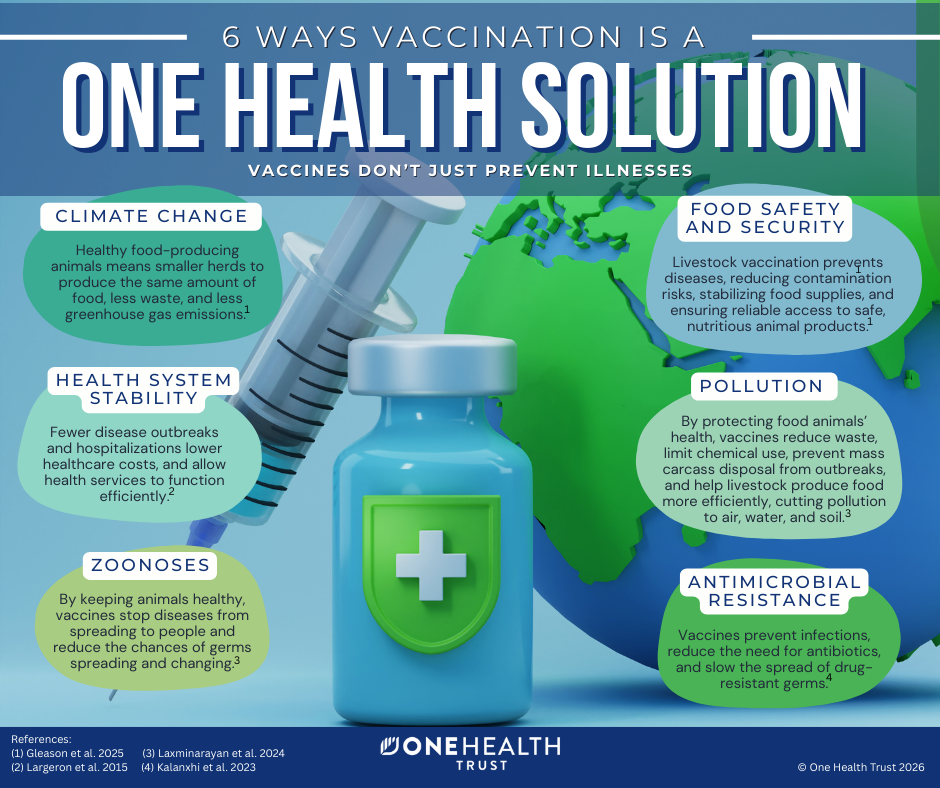
Vaccines Don’t Just Prevent Illnesses
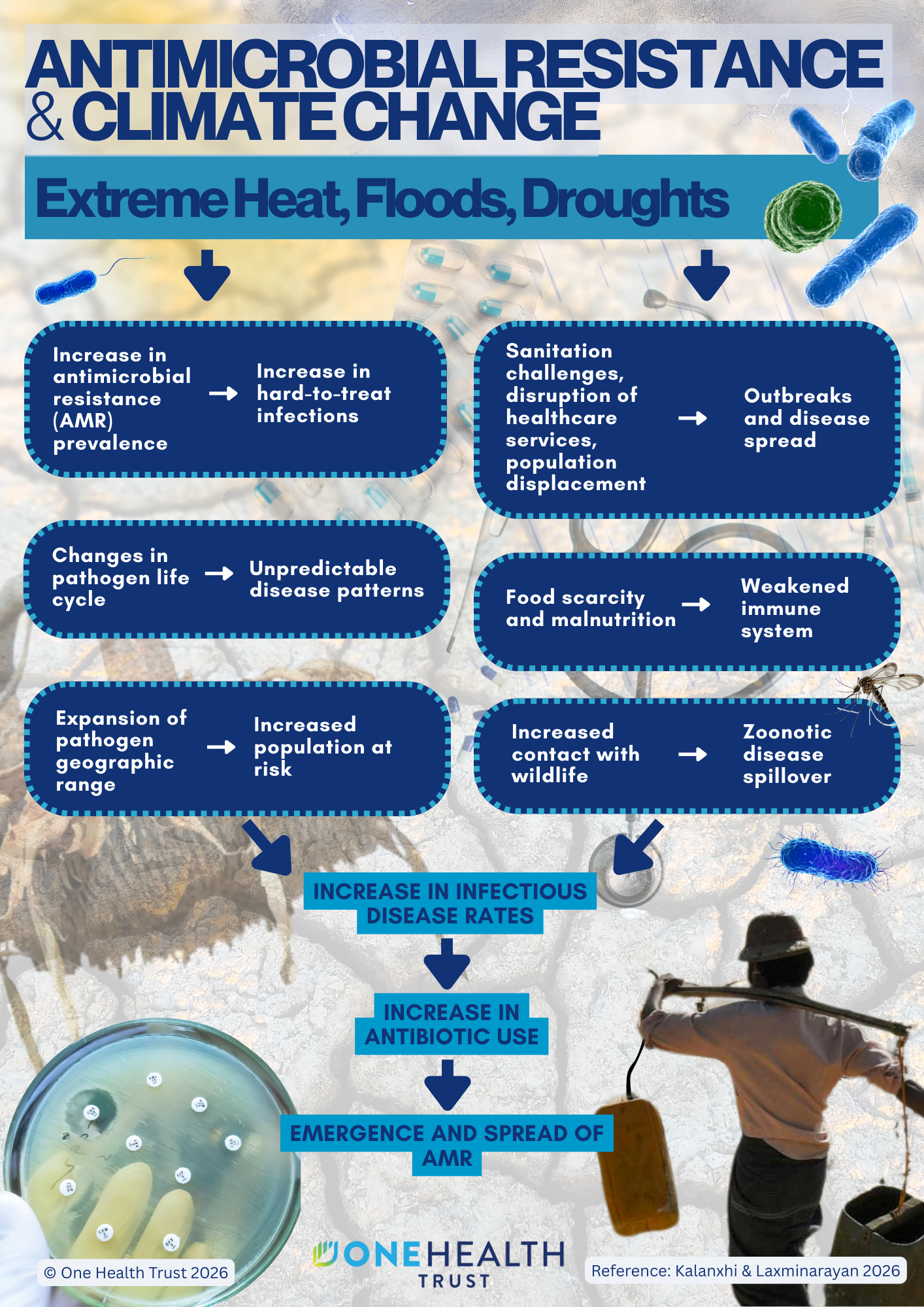
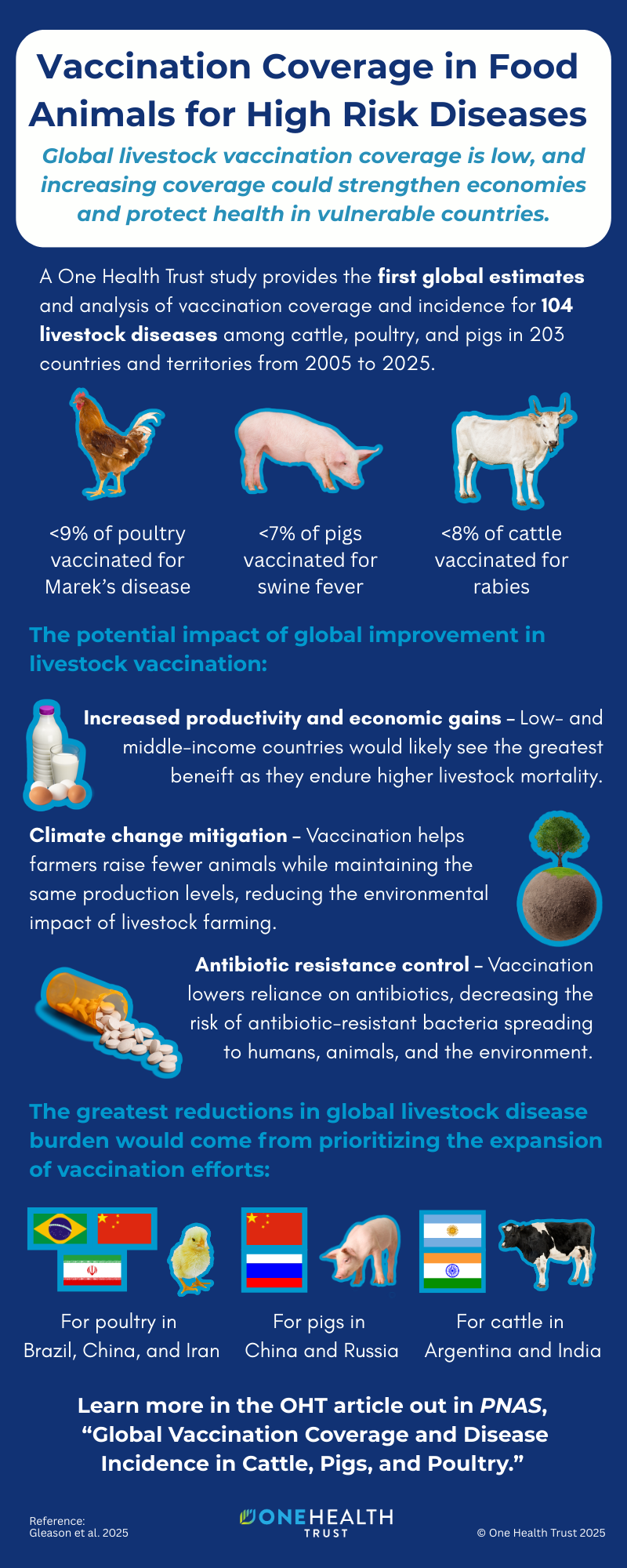
- Climate Change: Healthy food-producing animals mean smaller herds to produce the same amount of food, less waste, and less greenhouse gas emissions.
- Health System Stability: Fewer disease outbreaks and hospitalizations lower healthcare costs and allow health services to function efficiently.
- Zoonoses: By keeping animals healthy, vaccines stop diseases from spreading to people and reduce the chances of germs spreading and changing.
- Food Safety and Security: Livestock vaccination prevents diseases, reducing contamination risks, stabilizing food supplies, and ensuring reliable access to safe, nutritious animal products.
- Pollution: By protecting food animals’ health, vaccines reduce waste, limit chemical use, prevent mass carcass disposal from outbreaks, and help livestock produce food more efficiently, cutting pollution to air, water, and soil.
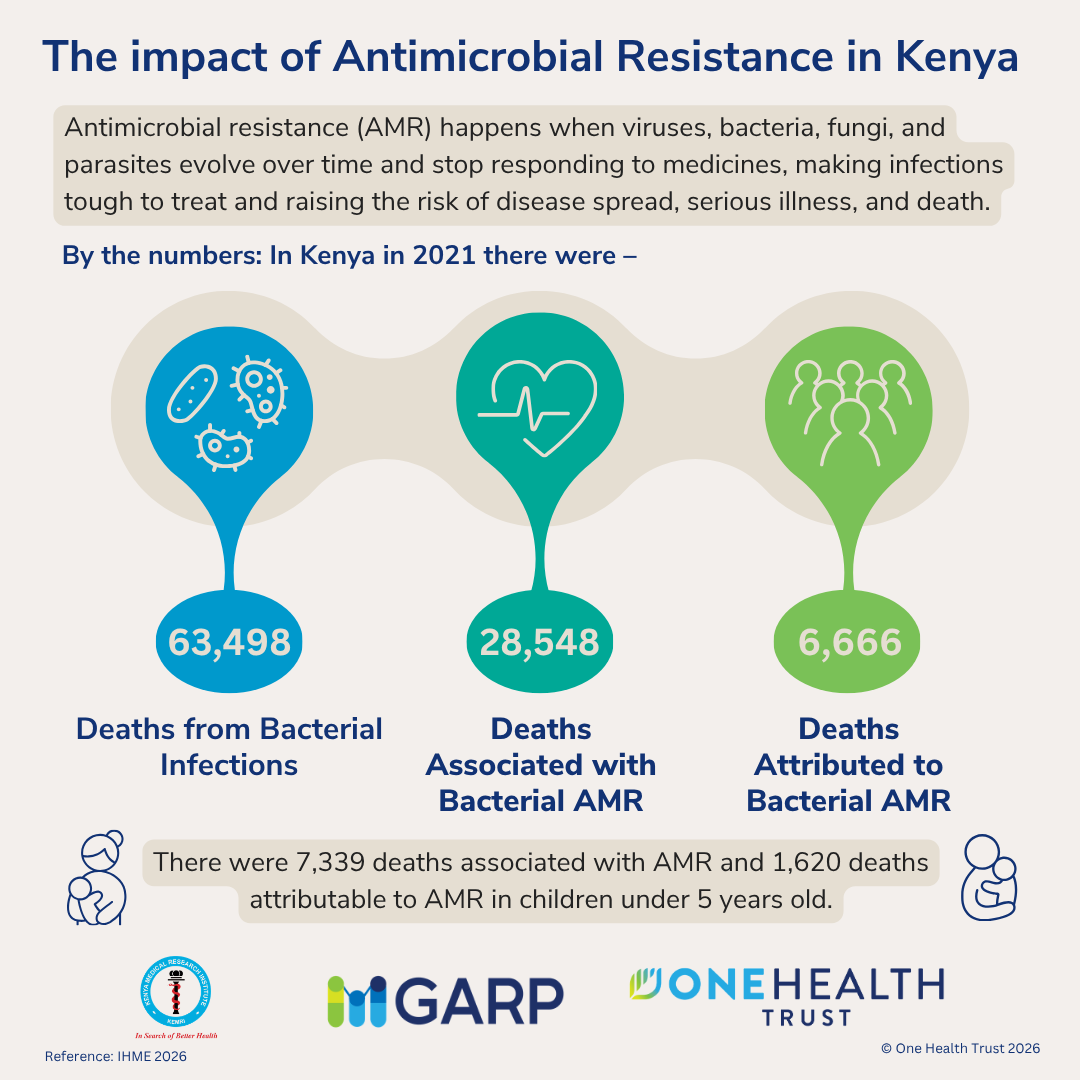
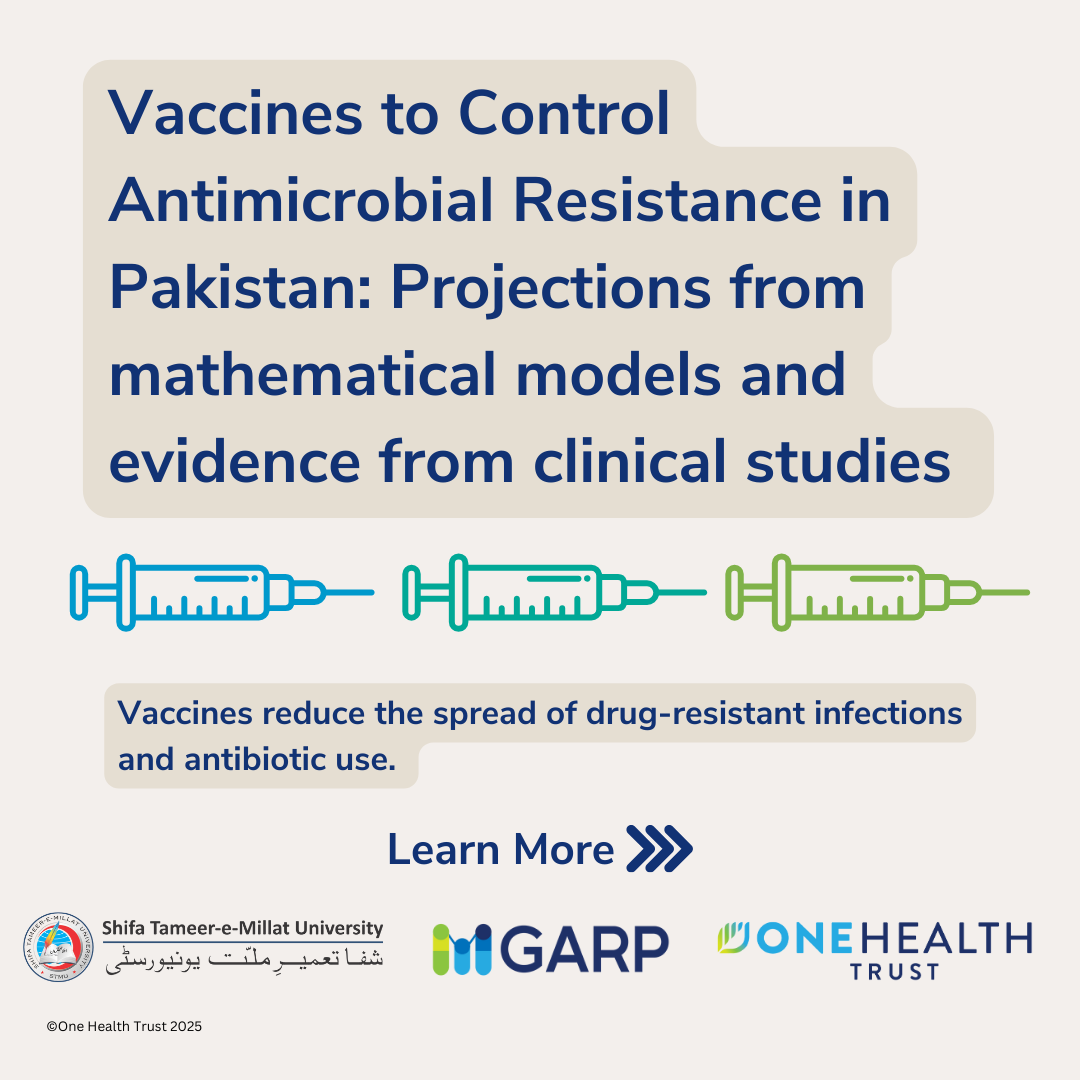
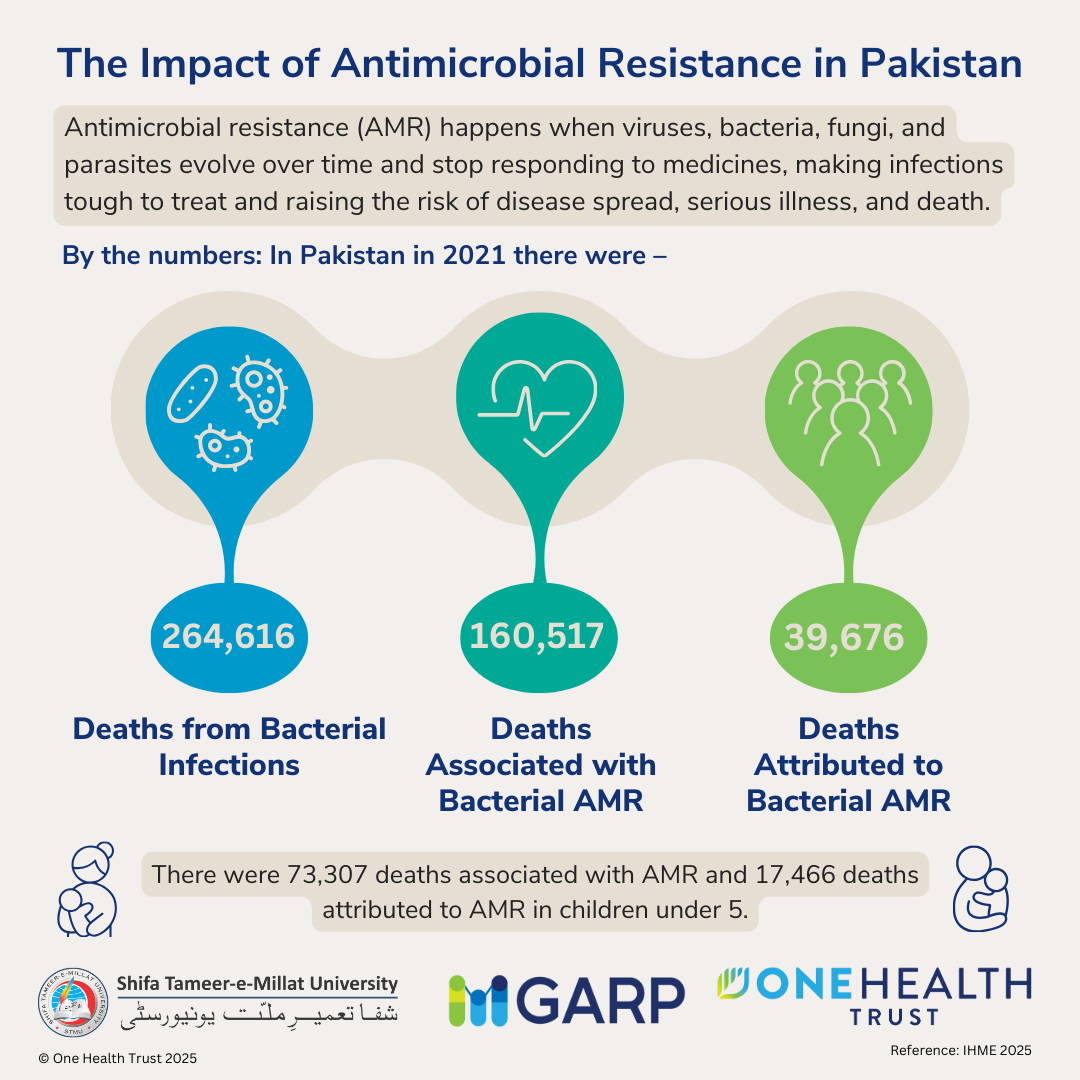
- Antimicrobial Resistance: Vaccines prevent infections, reduce the need for antibiotics, and slow the spread of drug-resistant germs.