February 10, 2026

Climate change and antimicrobial resistance
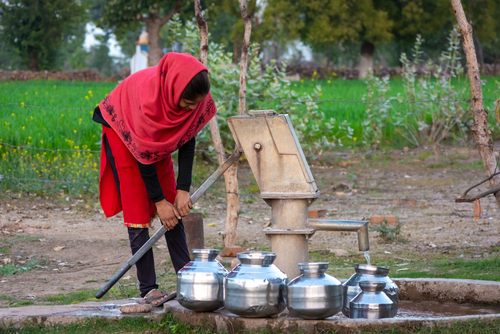
A review by OHT’s Dr. Erta Kalanxhi and Dr. Ramanan Laxminarayan examines the association between climate change and antimicrobial resistance (AMR). Rising temperatures and extreme weather events fuel more frequent disease outbreaks, healthcare disruptions, migration, and food insecurity. Although ecological studies show correlations, such as higher AMR prevalence in key pathogens with warmer conditions, the evidence remains largely associative. Climate change’s main driver of AMR is through increasing infectious disease incidence and the reliance on antimicrobials. The paper calls for more rigorous research to shed light on temporality, causality, and pathways through which changing climates impact health and AMR. Additionally, it suggests actions to mitigate the impact by reducing the incidence of infections through measures such as access to clean water, healthcare, and sustainable agriculture. [Nature Microbiology]
Gender inequality is linked to differences in antibiotic consumption across countries.
Gender roles and access to resources influence health habits in different communities worldwide, particularly those related to antibiotic use. OHT’s Dr. Deepshikha Batheja and Dr. Arindam Nandi examined the relationship between national antibiotic use patterns and gender equality indicators by analyzing antibiotic consumption data from 70 nations between 2000 and 2022. The analysis revealed that a higher proportion of women was linked to slightly higher usage of antibiotics; however, nations with higher levels of female education and more female labor force participation consistently reported lower antibiotic consumption. These trends persisted across time periods and income levels, demonstrating how the social and economic aspects of gender disparity affect antibiotic use and underscoring the necessity for gender-responsive strategies to combat antimicrobial resistance. [Journal of Antimicrobial Chemotherapy]
Reforming agricultural subsidies to improve climate resilience and health in India
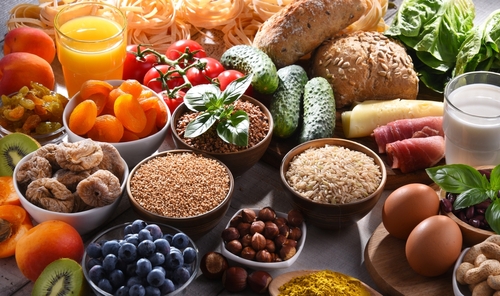
In his Hindustan Times column, Vital Signs, OHT’s Dr. Ramanan Laxminarayan argues that India’s current subsidy system no longer aligns with the country’s health, nutrition, and climate realities. Despite growing rates of undernutrition, diabetes, and agricultural risks associated with climate change, subsidies intended to avert hunger after independence nevertheless favor the cultivation of rice, wheat, and sugar. This strategy offers little assistance to small farmers and changes diets, depletes groundwater, deteriorates soil, and exacerbates air pollution. To promote healthy populations and sustainable development, Dr. Laxminarayan urges rerouting subsidies toward farmer incomes, climatic resilience, and nutrition through direct income transfers; diversified crop production; and investments in soil, water, and resilient food systems. [Hindustan Times]
Why economic growth alone does not guarantee well-being in India
Has India’s quick economic expansion improved its citizens’ quality of life? Citing data from the global flourishing study, OHT’s Dr. Ramanan Laxminarayan argues that well-being encompasses health, purpose, relationships, character, and financial stability in addition to income or leisure. In India, the statistics show clear trends: students report higher levels of thriving than working people, married individuals report lower levels of well-being than singles, and at midlife flourishing decreases. A pattern that is unique to older persons is the report of a decline in moral confidence. Dr. Laxminarayan warns that sustained progress necessitates fortifying the foundations that enable people to genuinely prosper, arguing that development policies that solely concentrate on GDP run the risk of ignoring social cohesion and mental health. [Hindustan Times]
Studying antimicrobial resistance through gender and climate lenses
An article co-authored by OHT’s Dr. Deepshikha Batheja, presents findings from a workshop series that explores how gender inequality, climate change, and antimicrobial resistance (AMR) interact to shape health risks in low- and middle-income communities. To investigate how social variables including gender roles, caste, income, and access to water and sanitation, affect exposure to drug-resistant diseases, researchers, policymakers, clinicians, and community representatives convened at workshops in South Africa and India. Participants emphasized that AMR risks are increased, particularly for women and vulnerable populations, by climate shocks and unequal access to healthcare. To create fair, gender-responsive AMR strategies that convert research into effective policy and practice, the talks underlined the necessity of cross-sector cooperation, community involvement, and improved health communication. [JPHIA]
Antimicrobial resistance took center stage at Davos.
Antimicrobial resistance (AMR) was recognized as a major global concern at the World Economic Forum in Davos. Speaking at Frontiers Science House, OHT’s Dr. Ramanan Laxminarayan warned that drug-resistant infections could kill more people than cancer by 2050. Conversations portrayed antibiotic resistance as a slow-moving pandemic caused by a lack of public trust, inadequate healthcare systems, and a lack of political action. The speakers emphasized that solutions must extend beyond new medications to include prevention, hygiene, nutrition, and robust health systems. They also emphasized the need for continuous investment, better antimicrobial stewardship, and greater faith in research. [Frontiers News]
The 1993 World Development Report demonstrated that health investment drives economic growth.
In his column, Vital Signs, in the Hindustan Times, OHT’s Dr. Ramanan Laxminarayan notes the enduring relevance of the World Bank’s 1993 World Development Report, which demonstrated that health is a precondition for economic development rather than its consequence. The report shows that investments in vaccines, sanitation, clean water, maternal care, and nutrition deliver among the highest economic returns available to governments. Countries including Costa Rica, Sri Lanka, and China achieved strong health outcomes before experiencing economic booms, while nations such as Russia and Brazil suffered when growth outpaced population health. Dr. Laxminarayan argues that India must prioritize health infrastructure to achieve durable, equitable development. [Hindustan Times]
Urban wild birds spread drug-resistant bacteria through rainwater collection systems.
A review of 117 studies finds that wild birds often spread antimicrobial-resistant bacteria and genes. Urban-adapted gulls and pigeons frequently carry drug-resistant pathogens, including carbapenem-resistant Enterobacterales, multidrug-resistant E. coli, ESBL-producing bacteria, and methicillin-resistant Staphylococcus aureus. These birds forage in contaminated environments such as landfills and sewage sites, then deposit droppings on rooftops that wash into rainwater harvesting systems during storms, introducing resistant bacteria into household water supplies. Despite widespread use of harvested rainwater globally, it remains largely unregulated. Given this exposure pathway, the researchers call for incorporating rainwater testing into AMR monitoring programs. [International Journal of Hygiene and Environmental Health]
COVID-19 vaccination shows no association with fertility or miscarriage rates.
Researchers analyzed medical records of nearly 60,000 Swedish women to examine whether COVID-19 vaccination affects fertility. About 75 percent of women in the study were vaccinated between 2021 and 2024, with 97 percent receiving mRNA vaccines. The study found no statistically significant differences in childbirth or miscarriage rates between vaccinated and unvaccinated women. The findings align with more than a dozen previous studies showing COVID-19 vaccination does not interfere with fertility. Despite persistent misinformation in the media linking vaccines to fertility problems, the research demonstrates it is highly unlikely that COVID-19 vaccines negatively affect fertility or childbirth rates. [CIDRAP]
Interpreters and peer support improve tuberculosis prevention among migrants to Canada.
A decision analysis model of tuberculosis (TB) care for migrants to Canada from countries with elevated TB incidence found that programs with personalized facilitators substantially prevented disease more than programs without such support. The facilitation—including interpreters, peer navigators, educational materials, and text message reminders—helped screening programs prevent 375 tuberculosis cases and 17 deaths over 20 years at a cost of CA$ 53,050 per case averted and CA$ 84,159 per quality-adjusted life-year gained. When facilitators were added to existing screening programs, costs dropped to CA$ 35,806 per case averted. The findings demonstrate that culturally appropriate supports improve treatment completion rates and cost-effectiveness of tuberculosis prevention programs among migrant populations. [The Lancet Public Health]
Faster vaccine responses to outbreaks could prevent thousands of deaths in low-income countries.
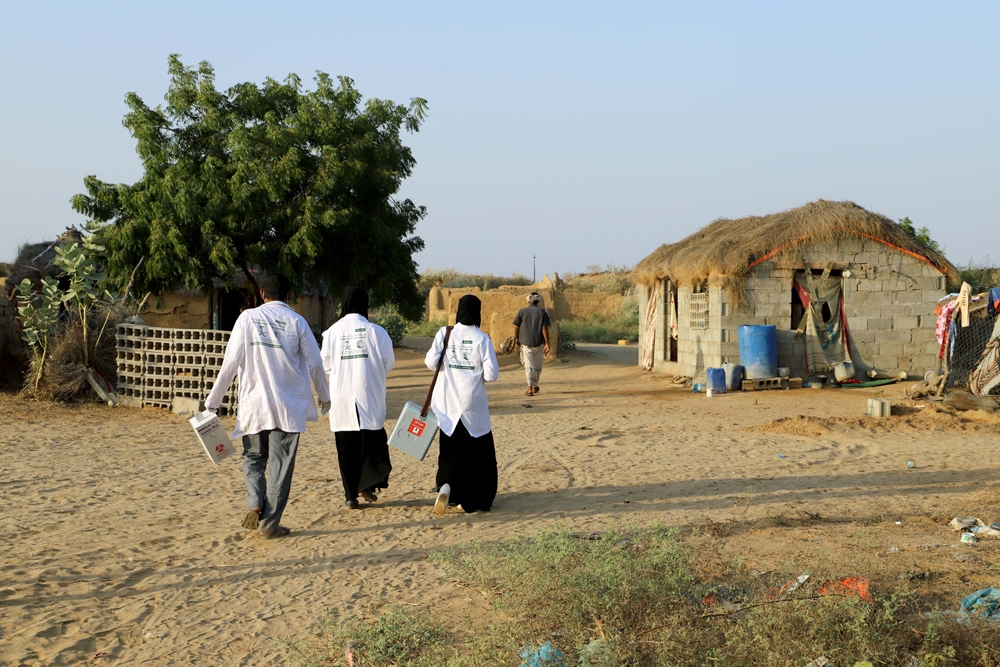
Researchers used simulation models to estimate how faster vaccination campaigns during disease outbreaks would reduce illness and death in low- and middle-income countries. They analyzed responses to measles, cholera, yellow fever, and meningococcal meningitis outbreaks, comparing typical response times (75 to 120 days) with a 15-day target. Starting vaccination within 15 days of an outbreak could prevent 80 percent of cholera cases, 35 percent of meningitis cases, and up to 55 percent of measles cases, depending on routine vaccination levels. The findings suggest that improvements in vaccination response speed have the potential to save many lives, with the greatest benefits occurring in communities with low routine vaccine coverage. [BMC Global and Public Health]
Image from Shutterstock