March 04, 2026
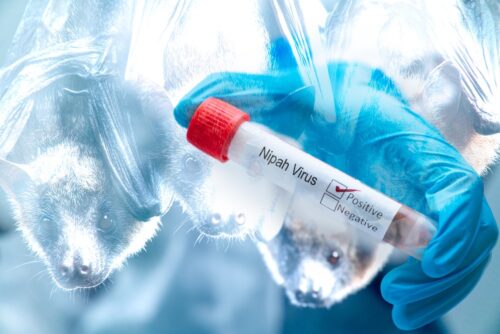
Nipah virus (NiV) has once again emerged in India, making international news and prompting renewed public health surveillance across the region. The recent outbreak of isolated human infections has been primarily among people in close contact with infected patients or contaminated food sources. Fruit bats are a natural reservoir of this virus, and there has been no evidence of animal spread to livestock in recent outbreaks in India. Recent Nipah outbreaks have been small, but authorities are taking precautionary containment measures due to the severity of the illness.
As a zoonotic virus that transmits from animals to humans, south-east Asian countries prone to NiV spread are on alert with intensified screening and monitoring efforts to prevent transmission and new outbreaks in the region. The virus has been detected multiple times in India, specifically in the state of Kerala, since 2018, suggesting a pattern of recurrent spillover rather than isolated emergence.
However, the recurrence of these outbreaks begs a number of questions. Why does the virus persist in the same or similar ecological niches? What are the critical factors that determine whether a spillover could stay contained within a limited geographic area or become a major outbreak? What do such incidents say about the current approach towards managing high-fatality zoonotic risk in the region?
Nipah outbreaks in India provide the chance to assess the virus’ transmission pathways and ecological factors, and the structural gaps that facilitate and perpetuate its spillover instead of treating it as an occasional public health threat. Understanding Nipah outbreaks through a One Health lens is vital for driving regional preparedness, not only against the Nipah virus but also against future diseases at the human-wildlife interface.
Why Nipah Demands Attention
Although the incidence of Nipah infections remains relatively low, the clinical severity of the infection makes the pathogen an important threat. The symptoms of Nipah virus infection start off the same as many flus, but the illness can also cause severe respiratory illness and acute encephalitis. Neurological damage, including altered consciousness and seizures, is common in advanced stages of the disease, and the condition of those with the illness can deteriorate quickly.
Case fatality rates associated with NiV infection have varied across outbreaks, ranging from approximately 40 percent during an outbreak in Malaysia between 1998 and 1999 to as high as 75 percent in certain outbreaks in Bangladesh between 2001 and 2012. The mortality rate for infections can vary due to the accessibility of health care, the time it takes for diagnosis, the environment in which the outbreak occurs, and the strain of the virus. The effects of the virus do not stop when the infection has passed; people can suffer long-term neurological issues, such as cognitive challenges and, in some cases, relapsing encephalitis. There are limited therapeutic options available, there are currently no licensed human vaccines, and no widely approved antiviral therapy for NiV infection. Clinical management, therefore, relies largely on supportive care.
How Viruses Jump from Wildlife to People in a Changing Environment
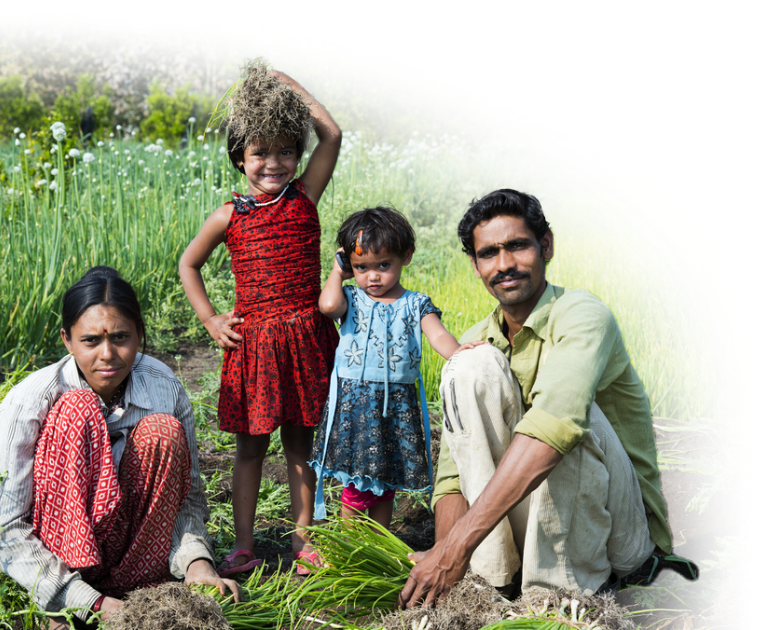
Fruit bats of the genus Pteropus are the natural reservoir of the Nipah virus. The virus lives in these bats without making them sick. As cities expand, forests are cleared, and farming becomes more intensive, bat habitats are disrupted. This pushes bats closer to human communities. When people and bats share the same spaces, the natural “buffer” that once kept them apart becomes smaller. As a result, the virus can spread to people, for example, through fruit contaminated by bats or through close contact in small-scale farming settings. For this reason, repeated Nipah outbreaks in India are better understood as the result of growing contact between humans and wildlife, rather than as random or isolated public health events.
Are Incidence Rates Increasing or Is Detection Improving?
The recurrence of Nipah in India raises a critical question: are spillover events becoming more frequent, or is surveillance becoming more sensitive? Habitat fragmentation, peri-urban expansion, and intensified agriculture are ecological pressures that increase opportunities for contact between bats and humans. Simultaneously, following the 2018 Kerala outbreak, improved laboratory capacity and outbreak preparedness have enhanced early detection. New outbreaks may, therefore, reflect both ecological strain and strengthened surveillance systems. Distinguishing between true increases in spillover and improved recognition remains challenging but highlights the need for integrated monitoring that includes wildlife and environmental surveillance.
Nipah as a One Health Challenge
Nipah is not merely a concern for the health of people; it is also influenced by interactions with wildlife, the environment, agriculture, and healthcare. Although fruit bats carry NiV in the natural environment, changes to the environment, such as the clearing of forests for the construction of new settlements and the intensification of agriculture, increase the chances for spillover of NiV. However, the monitoring system for NiV primarily focuses on the health of people and wildlife and environmental monitoring is not effectively included. This constrains the capacity for spillover prediction and preparedness.
Addressing Nipah outbreaks in India through a One Health lens is not merely an option but a necessity. This approach recognizes the interconnectedness of human, animal, and environmental health, offering a comprehensive strategy to tackle the complexities of zoonotic diseases such as Nipah. By integrating health surveillance across these domains, we enhance our capacity to predict and prevent spillover events. Strengthening collaboration among sectors—such as agriculture, wildlife conservation, and healthcare—ensures a more resilient system capable of responding swiftly to outbreaks. Public policies and governments must also work to address issues with land use change and deforestation to preserve bat and other wild animal habitats, protecting nearby communities and preventing disease spillover with pandemic potential. By understanding the ecological and societal dynamics that facilitate virus transmission, we can implement more effective interventions, ultimately safeguarding both human and animal populations. Embracing a One Health perspective not only takes on the immediate threats posed by Nipah but also builds a foundation for future readiness against emerging infectious diseases across the globe.