August 05, 2025
In south Asia, where infectious diseases are widespread and antibiotics are often used as the first, and sometimes only, line of defense, antimicrobial resistance (AMR) is becoming a growing, yet neglected, disaster. However, we have tools to combat this issue. Vaccines can prevent infections from happening in the first place. The typhoid conjugate vaccine (TCV) and pneumococcal conjugate vaccine (PCV) are two of the most impactful vaccines for public health. These vaccines save lives by preventing typhoid and pneumonia in communities worldwide. But they also do something more: they help slow the spread of AMR by reducing the need for antibiotics in the first place.
In countries including India, Pakistan, Nepal, and Bangladesh, rolling out these vaccines could be a game-changer in public health strategy. It can save lives, reduce healthcare costs, and preserve antibiotics for the future.
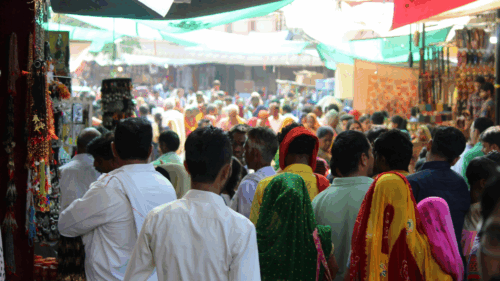
Dense populations in south Asia
Source: Canva
AMR in south Asia: A growing crisis
According to the Institute for Health Metrics and Evaluation, Bangladesh recorded 97,878 AMR-associated deaths in 2021, with over 23,454 directly caused by drug-resistant infections. In Nepal, AMR contributed to nearly 19,579 deaths, and across south Asia, resistance is rising in common infections such as typhoid and pneumonia. These numbers reflect a common pattern—infections that could have been prevented in the first place are often treated inappropriately, leading to resistance.
In south Asia, diseases such as typhoid and pneumonia are particularly dangerous due to the growing resistance. According to a study of over 2,084 blood cultures in Pakistan, 16 percent of typhoid cases were multidrug-resistant, highlighting the need for this vaccine to help alleviate the burden, which is projected to worsen over time.
TCV: A shield against typhoid and resistance
Typhoid fever remains a significant threat in south Asia, particularly in densely populated urban areas and regions with inadequate water and sanitation infrastructure. TCV offers a promising way forward. It’s safe for young children and only requires a single dose.
A large clinical trial in Nepal showed that TCV reduced blood culture-confirmed typhoid cases by 79 percent in 2 years. It worked equally well across different age groups and showed no signs of waning immunity during that time.
Going beyond individual protection, according to mathematical models, if 73 Gavi-eligible countries rolled out routine TCV with a catch-up campaign up to age 15, they could prevent 53.5 million cases of antimicrobial-resistant typhoid; 826,000 deaths; and 44.4 million disability-adjusted life years (years of life lost due to premature deaths) by over 10 years. That’s not just a positive move for public health, but also a massive economic and humanitarian gain. South Asia accounts for 60 percent of this avertable burden, highlighting the region’s potential benefit from scaling up TCV access.
PCV: Fights pneumonia and preserves antibiotics
Similar to typhoid, pneumococcal diseases, such as pneumonia, meningitis, and blood infections, are a major cause of illness and death, especially in young children and older adults. While antibiotics remain essential, growing resistance is undermining their effectiveness, and early treatment isn’t always possible in resource-limited settings. PCV is an effective way to prevent these infections altogether.
A community-based study in Palwal District, Haryana, India, found that 74.7 percent of children hospitalized with pneumonia and 54.5 percent of healthy children aged between 2 and 59 months carried Streptococcus pneumonia, bacteria that cause pneumonia.
Approximately 30 percent of these children harbored serotypes found in the PCV13 vaccine, including some antibiotic-resistant strains. This high carriage of vaccine-type pneumococci in both sick and healthy children showed that vaccine-included serotypes were circulating widely in the community, highlighting the potential for PCV to make a substantial impact.
An 2018 OHT-collaborative article on the potential effects of integrating PCV into India’s national immunization programs projected that nationwide introduction of PCV13 at approximately 77 percent coverage would avert around 34,800 child deaths per year, save nearly US$48.7 million in out-of-pocket medical costs, and significantly reduce the pneumococcal disease burden overall.
PCV has the potential to decrease infections not only in children but also in adults. Globally, PCVs have also reduced antibiotic-treated respiratory infections in children by nearly 19.7 percent, showing the significant impact that this vaccine can have.
PCV protection extends beyond children. A major study from the Netherlands found that PCV13 reduced pneumococcal pneumonia by 45.6 percent and invasive disease by 75 percent in adults aged 65 and older. That’s critical in south Asia, where older adults with comorbidities, such as diabetes, face heightened risks from this infection, and where adult immunization is often not prioritized.
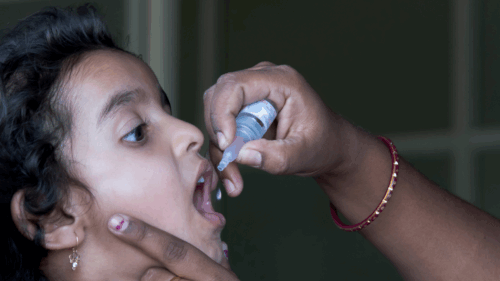
A child in south Asia receiving an oral vaccine
Source: Canva
Why are vaccines a cost-smart strategy?
Amid competing priorities, national vaccination campaigns may be perceived as a huge expense to public health programs. However, prevention goes a long way. Evidence shows that vaccines are some of the most cost-effective investments for countries
In India, scaling up vaccines such as PCV, Haemophilus influenza type b vaccine, and rotavirus vaccine could avert over 90,000 child deaths annually and generate approximately US $1 billion in societal benefits, much of which comes from avoided productivity losses and caregiver time saved.
Modeling of PCV13 in India alone suggests it could prevent 25,134,220 pneumococcal infection cases, save US$51.6 million in medical costs, and significantly reduce hospital admissions.
A study on the financial burden on families caring for children with severe pneumonia in Bangladesh shows that treatment of pneumonia often pushes families into debt, due to high medical expenses combined with lost income during caregiving. In short, vaccines not only save lives but also protect incomes, keep children in school, ease the burden on caregivers and hospitals, and allow systems to invest in other priority health services.
Domestic vaccine production can lower costs and further increase the return on investments. Due to domestic manufacturing, the Indian government buys rotavirus vaccines for as little as US$2 per child, compared to US$200-240 in the United States.
The same strategy could be used for TCV and PCV. Investments in TCV and PCV are not only cost-effective in the long run; they are also immediately cost-saving in high-burden and outbreak settings. They prevent hospitalizations, reduce the need for second-line (more expensive) antibiotics, and lower debt for families.
Putting the brakes on disease outbreaks
In Pakistan’s 2016 outbreak of extensively drug-resistant (XDR) typhoid, Salmonella Typhi strains had become resistant to five major antibiotic classes, leaving only a handful of treatment options, including azithromycin, which is expensive and requires hospital care. As the crisis escalated, more than 14,000 XDR cases were reported in Sindh, Pakistan alone by mid-2021. The Pakistan government swiftly introduced TCV into its routine immunization schedule, becoming the first country to do so in response to drug-resistant typhoid.
A study in Hyderabad, Pakistan, evaluated the effectiveness of Typbar‑TCV during an XDR typhoid outbreak and found 97 percent protection against culture-confirmed XDR typhoid among children aged 6 months to 10 years.
An early modeling study on the benefits of TCV from two Pakistani provinces, including Sindh and Punjab, suggests that the scale-up of TCV rollout during outbreaks has significantly reduced the incidence of typhoid and pressure on overburdened hospitals. Outbreaks of XDR typhoid spread fast, especially in urban areas with sanitation gaps, making prompt vaccination campaigns essential.
In short, TCV isn’t just a preventive tool; it’s a powerful outbreak control strategy that can stop drug-resistant typhoid outbreaks in their tracks, saving lives and preserving antibiotics when they’re needed most.

A petri dish showing bacterial growth resistance to certain antibiotics
Source: Canva
A critical role in AMR strategies
Vaccines reduce the number of infections that drive disease burden and AMR. Every antibiotic prescription increases the chance of bacteria developing resistance. This is especially important in low- and middle-income countries (LMICs), where over-the-counter antibiotics are easily accessible and often misused
In 2019, AMR was responsible for 1.27 million deaths globally, and that number is growing fastest in LMICs, where infections are common and diagnostics are limited. In south Asia, however, vaccines are often missing from national AMR plans. This has prompted experts to call for stronger adult immunization policies, especially for pneumococcal disease, which disproportionately affects older adults with comorbidities.
Adult immunization remains one of the most under-prioritized areas of vaccination policy in the region. One key reason is that national immunization programs have traditionally focused on childhood vaccines, as they align with maternal and child health priorities and are supported by donor funding. In contrast, adult immunization efforts often lack sustained financial support, clear delivery platforms, and public awareness, making them harder to scale.
Vaccines such as TCV and PCV do more than prevent disease; they save lives, reduce medical costs, and ease pressure on health systems today, while building resilience against future health threats. They are not only lifesaving tools but are long-term investments in healthier communities and stronger public health infrastructure.
Guest Blogger

Bhumika Shori is a summer 2025 intern at the One Health Trust in Bangalore, India. As a part of the Global Antibiotic Resistance Partnership project, she contributes to policy-driven initiatives that highlight the role of vaccination in addressing antimicrobial resistance. Bhumika is currently pursuing a major in Molecular Biology and minors in Statistics & Machine Learning and Global Health Policy at Princeton University. Her research interests include interdisciplinary approaches to global health.