November 03, 2025
WHO study finds that one in six infections are now resistant to antibiotics.
A new World Health Organization (WHO) study, for which OHT’s Dr. Erta Kalanxhi was an external reviewer, finds that antibiotic resistance is spreading rapidly and unevenly across the globe, with the highest levels in low- and middle-income countries. One in six infections are now resistant to at least one antibiotic, and nearly half of all pathogens tested have shown increased resistance since 2018. In an interview with NPR, OHT President Dr. Ramanan Laxminarayan warned that effective antibiotics are often unavailable in countries with weaker health systems, and resistance rates for common infections can reach 50–60 percent. More than a million people die annually from drug-resistant infections, highlighting the urgent need for new treatments, equitable access, and stronger health infrastructure. [NPR]
Asia’s flu surge raises concerns about year-round illness becoming the norm.
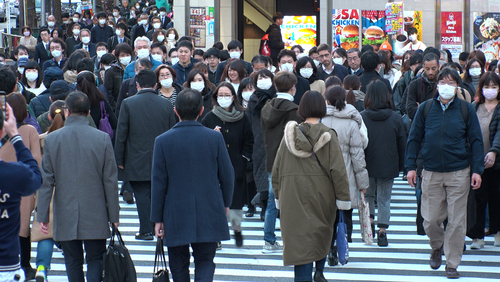
A surge of influenza cases across Asia has led medical experts to warn that year-round illness may become the new normal. Japan declared a nationwide flu epidemic in early October 2025, with cases more than doubling from the same period in 2024, while Singapore, Thailand, and India have also reported sharp increases. Experts cite climate-driven behavioral changes—such as spending more time indoors during adverse weather—along with increased travel and emerging viral variants as likely drivers. In a TIME Magazine interview, OHT’s Dr. Ramanan Laxminarayan emphasized the immediate importance of vaccinating high-risk populations and the long-term goal of developing a universal flu vaccine, especially as ongoing mutations pose a potential pandemic threat. [TIME Magazine]
India’s drug regulation needs urgent reform to prevent future tragedies.
In the Hindustan Times, OHT’s Dr. Ramanan Laxminarayan detailed how drug contamination incidents in India, most recently the deaths from Coldrif cough syrup, show how lives are in danger due to antiquated monitoring. Only a small percentage of India’s 10,500 manufacturers adhere to the World Health Organization’s good manufacturing procedures, even though the country produces one-fifth of the world’s medications. Weak accountability and uneven enforcement have resulted from the 1940 drugs and cosmetics act, which divided monitoring between federal and state authorities. The failure of profit-driven self-regulation has damaged India’s pharmaceutical standing internationally. With centralized licensing, risk-based monitoring, and harsher punishments, the new “Drugs, Medical Devices, and Cosmetics Bill, 2023”, which is currently pending, seeks to modernize oversight. To restore India’s reputation as the “world’s pharmacy” and save lives from avoidable regulatory catastrophes, this bill must be passed and enforced as soon as possible. [Hindustan Times]
The high burden and underfunding of Chagas disease in the United States
A population-based study estimates that roughly 427,145 Latin America–born adults in the United States are infected with Chagas disease, a parasitic infection transmitted by triatominae, also known as “kissing bugs”. The illness can progress decades later to Chagas cardiomyopathy, a severe heart condition that causes heart failure and sudden death. The 82,269 people living with Chagas cardiomyopathy account for a US$4.96 billion economic burden and 1.18 million disability-adjusted life years. Despite its disease burden being 2 times greater than HIV, 8 times greater than malaria, and 35 times greater than tuberculosis in the United States, Chagas research remains underfunded, highlighting the urgent need for increased investment in diagnosis, treatment, and public health interventions. [The Lancet Regional Health – Americas]
Transboundary dog trade drives rabies risk among butchers in Ghana and Nigeria.
A study models the risk of human rabies among dog butchers in Ghana and Nigeria, regions where both domestic and transboundary dog trade is common. The analysis finds that importing dogs from neighboring countries substantially increases the probability of encountering rabid dogs during slaughter, raising the annual number of butcher infections by 66 percent in Ghana and 238 percent in Nigeria. Risk mitigation measures, such as pre- or post-exposure vaccination for butchers, mass dog vaccination, personal protective equipment, and education, can reduce infections and support the global target of “Zero Dog-Mediated Human Rabies by 2030,” adopted by the World Health Organization and partners. [One Health Outlook]
Gaps in climate-health information systems in Latin America
A scoping review examined information systems that combine climate and health data to address climate-sensitive infectious diseases (CSIDs) in Latin America and the Caribbean. The team analyzed 14 studies from 2015–2023, focusing on diseases such as dengue, malaria, Chagas, and leishmaniasis. Findings show that Brazil and Mexico lead CSID research, but most countries lack systems that effectively link climate and health information. National and local surveillance systems provide the primary data, but gaps remain in data quality, integration, and use, even in the most robust systems. Most studies also fail to account for differences in gender, ethnicity, or vulnerability, limiting the ability to target interventions to the populations at highest risk. [BMJ Public Health]
Behavioral drivers behind inappropriate antimicrobial dispensing in pharmacies of Addis Ababa
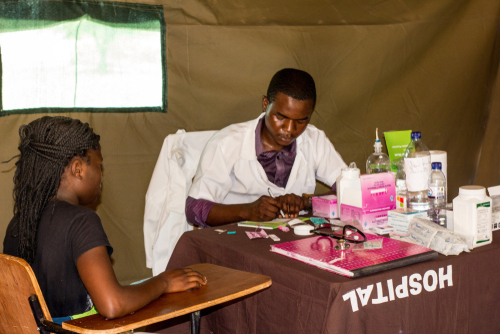
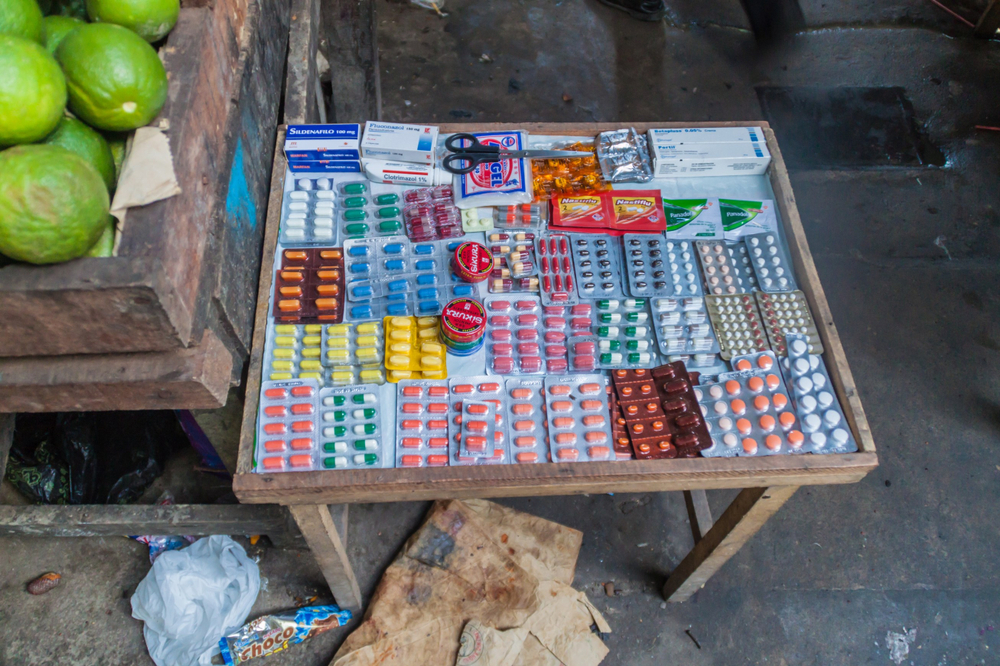
In this mixed-methods study, 240 pharmacy professionals were polled, and 16 interviews were conducted to investigate why inappropriate antimicrobial dispensing is still prevalent in Addis Ababa’s medication retail shops. According to the study, more than half of pharmacy professionals dispensed antibiotics inappropriately, primarily due to commercial and social pressures rather than ignorance. Experience, professional role, and gender were important predictors; female pharmacists demonstrated higher compliance. Proper practice was hampered by factors including patient desire, competitiveness, and lax regulation, whereas experience was linked to lower adherence. The study emphasizes that behavioral interventions, more stringent regulation, and incentive realignment beyond conventional knowledge-based training are necessary to combat antibiotic resistance in low-resource settings. [Scientific Reports]
Socioeconomic factors behind cholera spread in Somalia
In a descriptive cross-sectional study on a cholera outbreak in Somalia’s Southwest State conducted January–August 2024, researchers found that children under five were the most afflicted, with almost 5,600 cases recorded. Latrines and handwashing stations demonstrated considerable protective benefits, but low vaccination rates, inadequate sanitation, and restricted access to safe drinking water were linked to increased infection risk. The study shows that poverty, poor infrastructure, and a lack of public health resources increase susceptibility to waterborne illnesses. The authors call for quick funding for immunization campaigns, clean water access, and sanitation systems to stop future outbreaks and safeguard vulnerable populations. [Conflict and Health]
Projecting how climate and land-use change could shape future avian influenza risks in Bangladesh
Researchers used a spatially explicit, integrated modeling framework to assess how climate and land-use change may alter the spatial suitability for avian influenza transmission in Bangladesh. By simulating wild and farmed bird distributions within a spatial structural equation model, the framework captured interactions among environmental, wildlife, and poultry production systems. The model also estimated populations’ risk under current and future conditions of climate, land cover, and population density. They found that suitability for avian influenza exposure will increase markedly in poultry-farming areas, primarily driven by rising chicken density, potentially exposing up to 79 million additional people by 2050. The model supports evidence-based surveillance and preventive intervention planning using a One Health approach integrating environmental, agricultural, and public health sectors. [One Health]
Image from Shutterstock