August 04, 2025
OHT modeling study estimates antibiotic needs for lower respiratory tract infections.
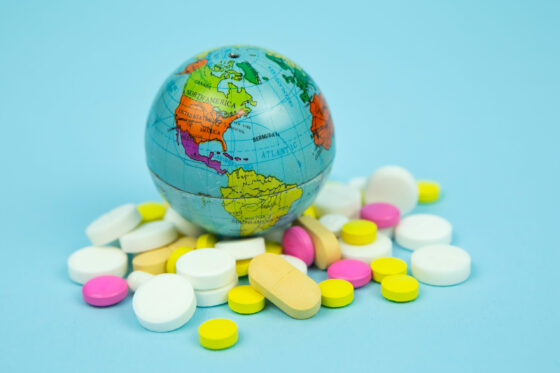
One Health Trust researchers and collaborators estimated that 2,276,046 mg of penicillin and 676,098 mg of cephalosporin were required to treat pneumonia and chronic obstructive pulmonary disease (COPD) across 20 countries in 2019. India and China accounted for the largest shares of penicillin use, at 37 and 21 percent, respectively, of the total use among the studied countries. According to their model, which incorporated the World Health Organization antibiotic usage guidelines, antibiotic needs were primarily driven by community-acquired pneumonia, followed by hospital-acquired pneumonia and COPD exacerbations. These findings provide a basis for a framework that can be used to estimate national antibiotic needs given a country’s disease incidence data and make recommendations for future prescribing practices. [International Journal of Infectious Diseases]
The revised global action plan on AMR should address gender-based inequities.
OHT’s Dr. Deepshikha Batheja and Srishti Goel co-authored an article outlining recommendations for the revised global action plan (GAP) on antimicrobial resistance (AMR) for 2025-2026. Since its introduction in 2015, the GAP, along with several national action plans on AMR, has not addressed the structural factors contributing to AMR. The authors recommend that the upcoming revision of the plan integrate considerations of gender and other social determinants of health that contribute to inequities in AMR prevention and treatment. This integration is essential to achieving the Sustainable Development Goals’ commitment to “leave no one behind.” [The Lancet]
Pediatric vaccine uptake correlates with a decline in antibiotic prescriptions.
An ecological study of claims data found that vaccination rates for pneumococcal conjugate, Hemophilus influenzae type B, diphtheria-tetanus-pertussis, and influenza vaccines among 6.7 million US children under age five increased from 32.5 percent in 2004 to 66.8 percent in 2019. During this period, antibiotic prescriptions decreased from 1.89 to 1.01 per person-year, suggesting a potential correlation between higher pediatric vaccine coverage and lower antibiotic prescribing and use. [Antimicrobial Stewardship & Healthcare Epidemiology]
High prevalence of resistance in bacterial isolates from urban and wild rodents in Bangladesh
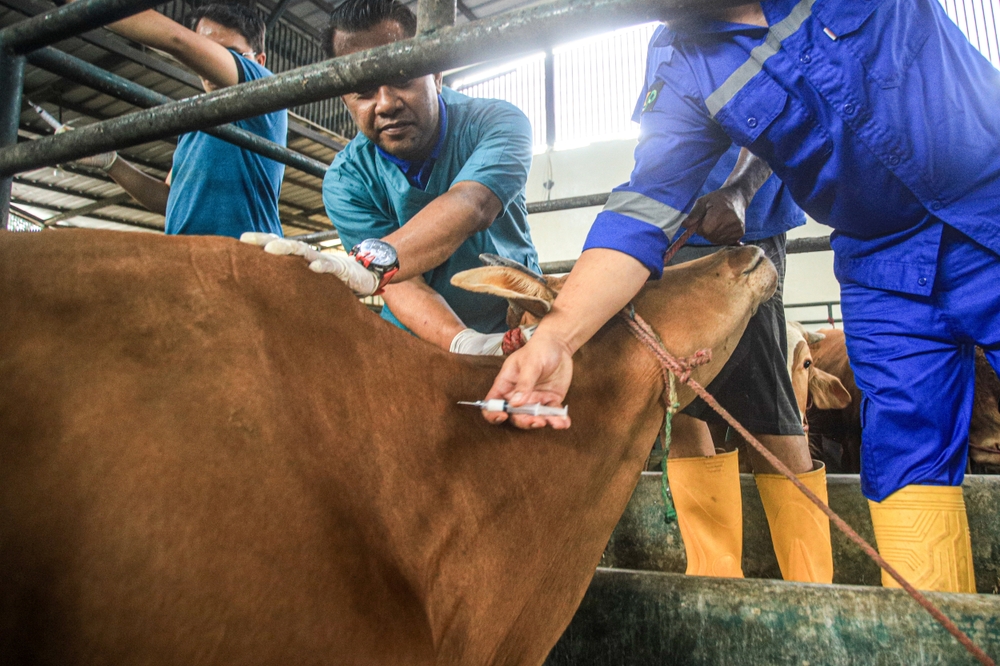
A cross-sectional study of samples collected from wild rodents and house shrews in Chattogram, Bangladesh, where humans live near free-ranging wildlife, revealed a high prevalence of AMR among Staphylococcus spp. and Escherichia coli. Culture sensitivity testing found that Staphylococcus spp. isolates were 100 percent resistant to oxacillin, oxytetracycline, metronidazole, and cefixime, while E. coli isolates were 100 percent resistant to metronidazole, ampicillin, and cefixime; 98 percent resistant to sulfamethoxazole + trimethoprim; 97 percent resistant to amoxicillin and doxycycline; and 95 percent resistant to streptomycin. Statistical modeling revealed a higher risk of resistant bacterial infections in rodents from agricultural interfaces compared to other habitats, highlighting the potential for the transmission of resistant zoonotic pathogens between rodents and humans in urban environments. [PLOS One]
Geographical challenges limit infectious disease diagnosis in Himachal Pradesh and Bihar.
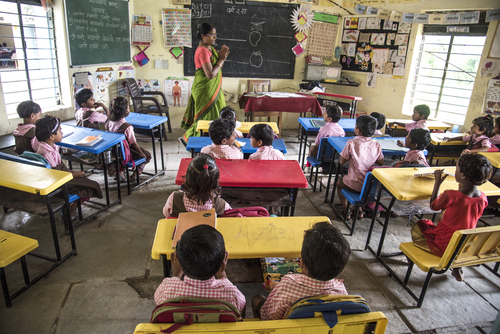
Inequitable access to diagnostic services in the Indian states of Himachal Pradesh and Bihar is driven by hilly terrains, long travel times, and lost wages, according to a spatial analysis based on EquityAMR, an ongoing research project in India. A supplemental survey also identified low culture testing rates, insufficient quality control standards, and suboptimal equipment use at microbiology laboratories in both states. While some experts recommend introducing point-of-care testing to identify pathogens, the authors emphasize the importance of strengthening traditional culture testing capacity in low-income settings to break the cycle of inequitable diagnostics and treatment of infectious diseases. [Journal of Global Antimicrobial Resistance]
The current avian influenza virus displays higher genetic fitness than its direct ancestors.
Phylodynamic analyses of highly pathogenic avian influenza A(H5N1) viral genome sequences revealed extensive diversity of A(H5N1) viruses resulting from reassortment with low-pathogenic avian influenza viruses, which may have contributed to their increased fitness compared to their ancestors. The clade 2.3.4.4b viruses circulating in the latest avian influenza outbreak in North America are almost entirely descended from the 2021 incursion of A(H5N1) into Atlantic Canada, likely via major avian migration routes. Since the more fit reassortant viruses have nearly replaced ancestral A(H5N1) genotypes, future lineages are expected to become even more resistant to selection pressures, making close surveillance and analysis essential. [ScienceAdvances]
Chronic Chikungunya virus infection in epidemic areas impacts patients’ physical and mental health.
A cross-sectional study during the 2014-2015 Chikungunya epidemic in Barranquilla, Colombia, found that 86.6 percent of patients with positive chikungunya antibody tests had persistent infection. Those with chronic Chikungunya infection scored significantly lower in health-related quality of life areas, such as physical functioning, vitality, and mental health, compared to those without chronic infection. Despite the high rate of chronic symptoms among Chikungunya patients, this condition is often underdiagnosed, and patients receive limited support. Healthcare facilities should include quality of life assessments to ensure proper physical and mental health care for patients after the acute phase. [Journal of Microbiology, Immunology, and Infection]
Sociocultural drivers of antimicrobial resistance in Iran
A qualitative study involving face-to-face interviews with stakeholders from various One Health sectors identified demographic shifts and cultural differences among the general public, healthcare providers, and livestock farmers as key contributors to the development of AMR in Iran. Since 2000, antibiotic use in Iran has sharply increased, with defined daily doses (DDD) rising from 33.6 DDD per 1,000 people to nearly 67 DDD per 1,000 in 2022. Public perceptions of medication use also influence the spread of AMR, as stakeholders highlighted a lack of effective public education programs. To prevent further inappropriate antimicrobial use, policymakers in Iran need to address these sociocultural challenges to bolster the country’s efforts in fighting AMR. [BMC Public Health]
Sindbis virus detected in wild birds in Nigeria.
A cross-sectional study sampling wild birds in the Amurum Forest Reserve, Nigeria, between 2022 and 2023 found that three out of 504 samples collected from African Thrush birds tested positive for Sindbis virus, a zoonotic virus transmitted by mosquitoes and circulating in wild bird populations. This led researchers to identify the first case of this virus in wild birds in Nigeria. Despite the low disease prevalence observed in this study, enhanced arbovirus surveillance and mosquito sampling will contribute to a better understanding of the spread of the Sindbis virus across the wider west African region. [Nature Scientific Reports]
The economic burden of malaria on healthcare, households, and communities in Africa
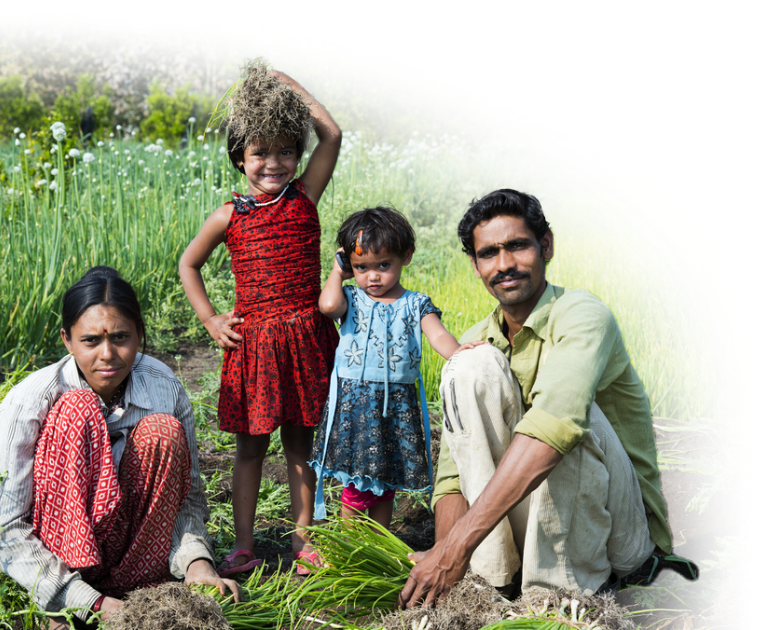
A systematic review investigating the cost of malaria across Africa between 2000 and 2024 revealed that the total treatment costs for uncomplicated malaria range between US $4.03 and US $31.23 per case, while the treatment costs for severe malaria total between US $10.48 and US $70.86 per case. Preventative costs incurred by health systems were divided among insecticide-treated bed nets per unit (US $10.81), larvicide per individual (US $28.43), and indoor residual spraying per single use (US $18.55). Given the cost variability by disease severity and respective treatments across different regions of the African continent, policymakers can utilize this comprehensive data to estimate the household and health system costs necessary to prevent and treat malaria in Africa. [Malaria Journal]
Image from Shutterstock