June 04, 2026
Overview:
Although COVID-19 vaccines were widely available, some people in rural India remained hesitant to get vaccinated. This One Health Trust collaborative study explored why vaccine hesitancy persisted in a district with relatively high vaccination coverage in Karnataka, India. Researchers explored both community-level factors such as beliefs, knowledge, and access, and health system challenges that may have influenced people’s decisions about vaccination.
The Question:
Why did some people remain unvaccinated or only partially vaccinated despite the availability of COVID-19 vaccines? What could improve future vaccination campaigns in India and other low- and middle-income countries?
The Findings:
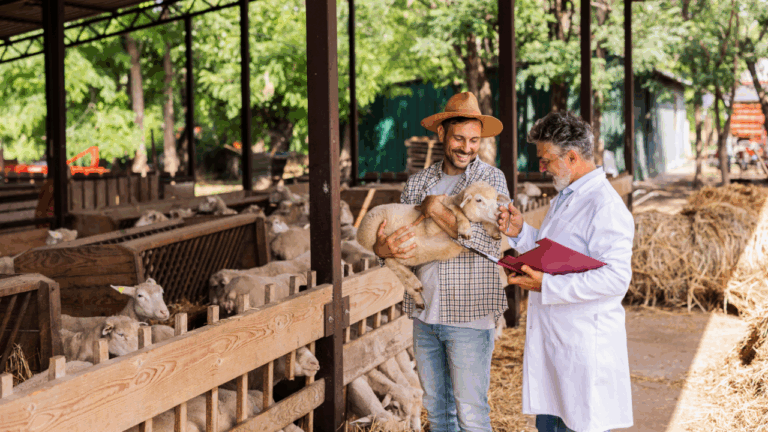
The researchers surveyed 1,469 households in Chikkaballapur district in Karnataka, India and conducted interviews with healthcare workers, medical practitioners, and local health officials involved in the COVID-19 vaccination program.
They found that vaccine hesitancy was influenced by a combination of economic, social, behavioral, and health system factors.
Key findings included:
- People with lower levels of education and lower incomes were more likely to be partially vaccinated or unvaccinated.
- Fear of injections was an important reason for avoiding vaccination, a factor that has received relatively little attention in low- and middle-income countries.
- Many hesitant individuals lacked confidence in the vaccine, worried about potential side effects, or believed COVID-19 was not a serious threat.
- Practical barriers such as travel distance, vaccination costs, and limited awareness of vaccination sites also reduced vaccine uptake.
- Misinformation and uncertainty about vaccine policies contributed to hesitancy;.
- Trust played a critical role. People who trusted government officials, community health workers, social workers, and local community or religious leaders were more likely to accept vaccines and express willingness to receive future vaccines.
- Education and employment were associated with a greater willingness to receive future vaccines.
Interviews with healthcare providers and local officials reinforced these findings, highlighting misinformation, concerns about adverse effects, socioeconomic challenges, and difficulties accessing vaccination centers as major barriers.
The findings show that vaccine hesitancy is not driven by a single factor. It is shaped by a complex mix of access issues, trust, information, socioeconomic conditions, and personal beliefs.
The study suggests that future vaccination campaigns should improve access to vaccines, especially in rural and underserved areas; help address misinformation through trusted local voices; provide clear, accurate information about vaccine safety and effectiveness; reduce logistical barriers such as travel distance and cost; and focus outreach efforts on populations with lower education and income levels.
These lessons could help policymakers design more equitable and effective vaccination programs, particularly in rural communities across India and other low- and middle-income countries.
Read the article in Vaccine: X here.