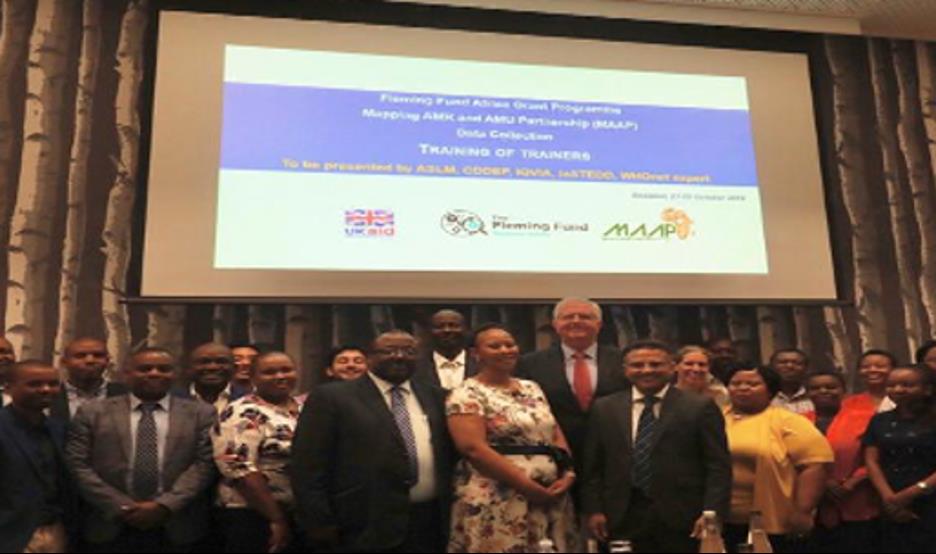
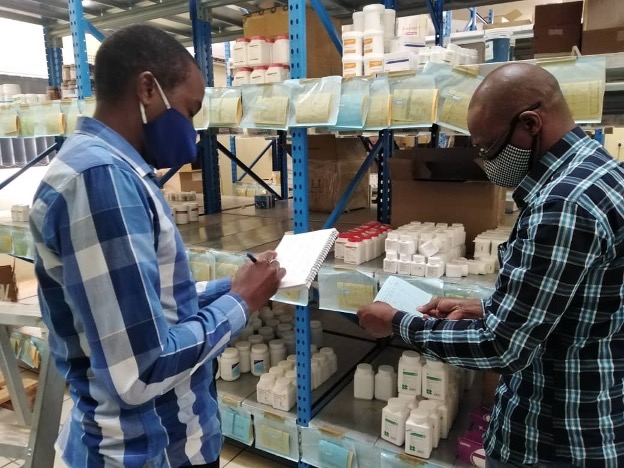
Absent global efforts to mitigate antimicrobial resistance (AMR) with better surveillance and concerted action, we face a post-antibiotic era. OHT/CDDEP researchers are leading data collection and analysis in Africa for the Mapping Antimicrobial Resistance and Antimicrobial Use Partnership (MAAP) consortium to determine the extent of the continent’s AMR crisis.
The MAAP project has collected retrospective data on antimicrobial resistance and use from public and private laboratories and pharmacies throughout Africa, taking advantage of established networks among consortium partners and in-country systems. Antimicrobial susceptibility test results for different bug-drug combinations and specimens (both bacterial and fungal) were used to estimate levels of antimicrobial resistance and its links with clinical variables.
Our partners from the MAAP consortium include:
- African Society for Laboratory Medicine (ASLM)
Africa Centers for Disease Control and Prevention
West African Health Organization (WAHO)
East Central & Southern Africa Health Community (ECSA-HC)
IQVIA
Innovative Support to Emergencies, Diseases and Disasters (InSTEDD)
This project is funded by the Fleming Fund Regional Grant
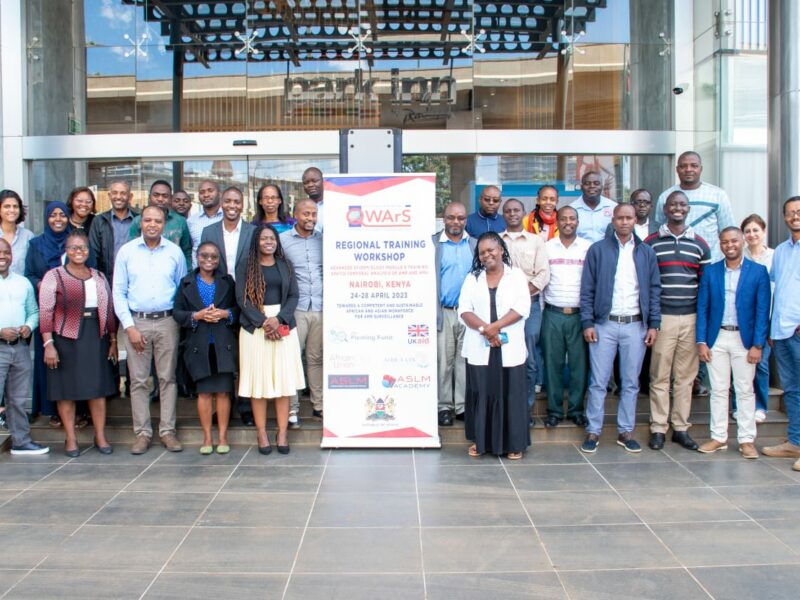
Throughout the study, OHT led the development and implementation of methodologies for laboratory selection, data analysis, and the estimation of AMR rates and drivers. These methodologies were shared with country representatives and partner organizations for review and feedback during a series of country workshops.
OHT also facilitated ongoing technical coordination through regular meetings and weekly exchanges with strategic and technical partners, ensuring alignment across participating countries and institutions.
In addition, OHT was responsible for drafting and finalizing AMR reports for all 14 participating countries and disseminating key findings through multiple platforms and events organized by the African Society for Laboratory Medicine (ASLM).

The study revealed significant gaps in bacteriology and AMR surveillance capacity across the 14 participating countries:
Bacteriology testing is conducted in only 1.3 percent of all biology laboratories across the participating countries, highlighting limited diagnostic capacity for identifying bacterial infections and monitoring AMR.
Among the 205 laboratories included in the study, only 26 percent reported using electronic laboratory information systems, indicating substantial opportunities to strengthen data management and reporting infrastructure.
Approximately 80 percent of laboratories perform fewer than 1,000 antimicrobial susceptibility tests annually, reflecting low testing volumes and limited surveillance coverage.
Drug Resistance Index (DRI) estimates indicate that AMR poses a significant public health challenge in 12 of the 14 participating countries.
In 8 of the 14 countries, more than half of the population lacks access to bacteriology laboratory services, underscoring major inequities in diagnostic access.
Of the approximately 187,000 samples tested for AMR, nearly 88 percent lacked accompanying clinical information, such as infection origin, diagnosis, or prior antimicrobial use, limiting the ability to generate actionable insights from surveillance data.
Access to several classes of antibiotics, particularly those used to treat drug-resistant infections, remains limited across many settings.
Factors Associated with AMR
The researchers also identified several patient- and country-level factors associated with higher rates of AMR. While additional research is needed to establish causal relationships, certain patient populations appeared to be at greater risk of acquiring resistant infections. For example, patients with prior antibiotic exposure were found to have higher rates of antimicrobial resistance compared with those without such exposure.