
October 22, 2022
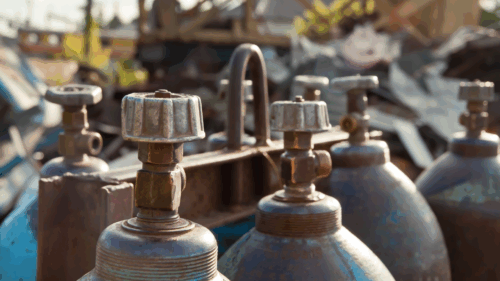
The COVID-19 pandemic is arguably the most far-reaching global crisis of the 21st century. According to the World Health Organization (WHO) Coronavirus Dashboard, the virus caused approximately 7 million deaths and more than 750 million cases. The crisis had multiple facets, including a shortage of medical professionals and limited access to medicines, hospital beds, and monitoring mechanisms, but perhaps the most glaring aspect was the shortage of medical oxygen, especially in low- and middle-income (LMIC) countries, resulting in colossal tragedy and loss of life.
The WHO has recognized medical oxygen as a lifesaving essential medicine with no substitution. It has potentially saved millions of lives, including those of children and newborns, from pneumonia, malaria, and other ailments. However, access to medical oxygen is often limited by infrastructure and supply chain challenges. Most hospitals typically do not manufacture it by themselves and rely on oxygen cylinder refillers/retailers and liquid medical oxygen suppliers. Furthermore, usage is not typically tracked, and systems worldwide are not equipped to handle any increased demands. This has resulted in the loss of lives that could have been saved otherwise.
Various initiatives have recently been taken to address this medical oxygen crisis. A significant focus area has been on expanding production and storage capacities. This is a laudable and much-needed effort, but a related yet underexplored area has been identifying alternative mechanisms to ensure a supply of oxygen during periods of increased demand.
Similar mechanisms have been deployed in other sectors, notably electricity, that allow the transfer of resources from surplus (production) areas to resource-deficient areas, almost seamlessly, using a grid. Most of the supply chain, logistics, and distribution mechanisms in diverse areas, such as oil and gas, fast-moving consumer goods, telecom, and liquefied petroleum gas, are structured using a similar grid-like mechanism.
This report builds upon this idea and explores the concept of a National Medical Oxygen Grid (NMOG), which can ensure a supply of high-quality oxygen to all parts of a country and smooth out any fluctuations in demand-supply gaps. In addition to catering to emergency needs, it also ensures availability in a non-pandemic/business-as-usual scenario and in managing childhood illnesses, such as pneumonia.
The report is divided into different sections. It begins by offering an in-depth understanding of the supply and demand infrastructure and identifies the magnitude of the need gap. Next, it lists the best practices in creating a grid and potential implications for NMOG. The subsequent section details the concept of NMOG, including its technical design, operating model, governance framework, and information technology design. It also identifies various quality parameters to gauge grid performance. The report concludes by highlighting major recommendations coming from this study.
The report was prepared by analyzing data available in the public domain, research, and case studies from peer-reviewed, indexed journal articles, and in collaboration with different industry experts and stakeholders. These stakeholders were from different sectors like hospitals, supply chain and logistic companies, liquid and gas medical oxygen manufacturers, pressure swing adsorption plant suppliers, industry associations, nonprofit organizations, and practicing medical physicians. These stakeholders typically had experience of 5 to 25 years in their respective domains and were from different parts of the country. Discussions were held both face-to-face and virtually.
The interviews were conducted by the research team themselves, and no third-party market research agency was involved. The responses were obtained via open-ended discussions on specific topics. The responses were obtained after informing them about the nature of the study and its intended objectives, and due consent for the same was taken. The primary research was conducted from September 21, 2021, through March 22, 2022. The names and profiles of some of the respondents have been kept confidential. The data used is from India, but the recommendations are meant for all LMICs aspiring to strengthen their health systems from a medical oxygen availability and usage perspective.
Download the report here.
Image from Canva.