March 31, 2026
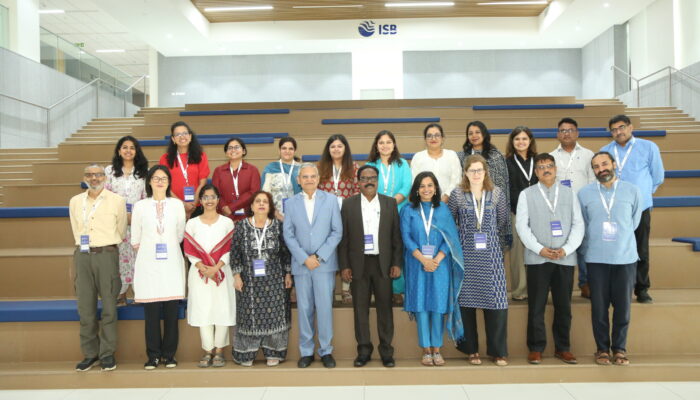
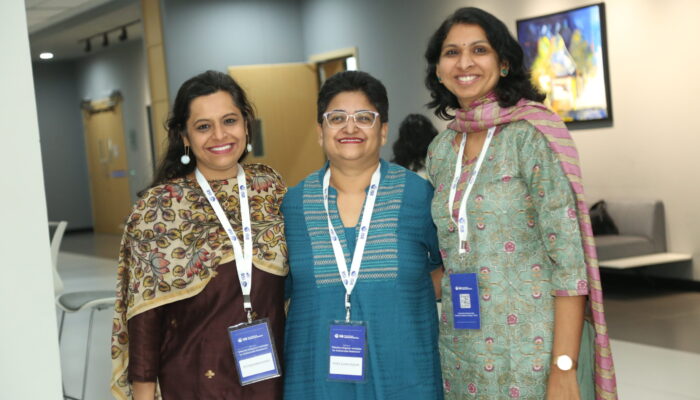
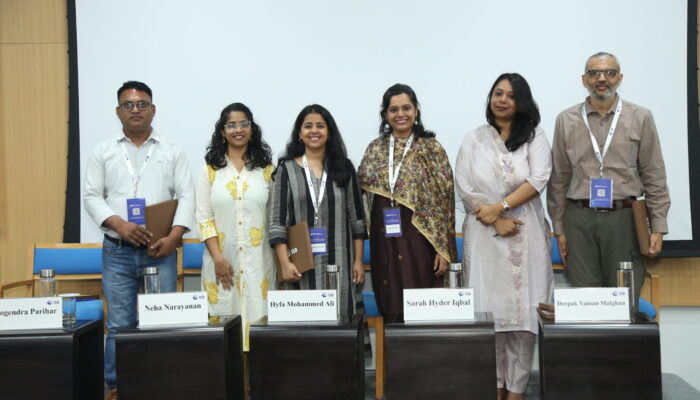
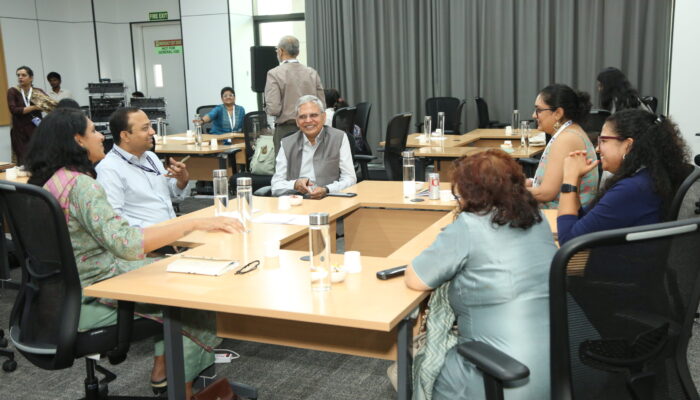
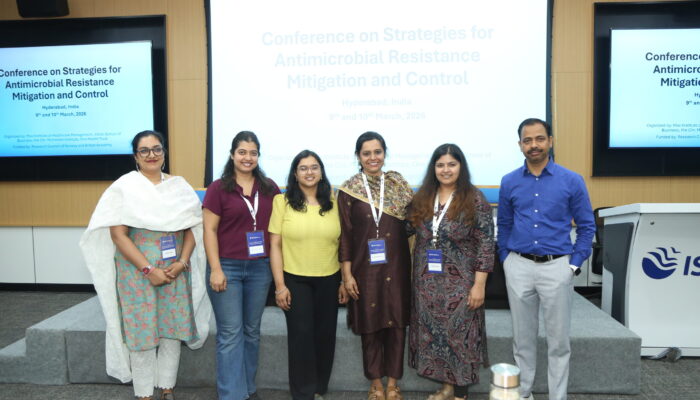
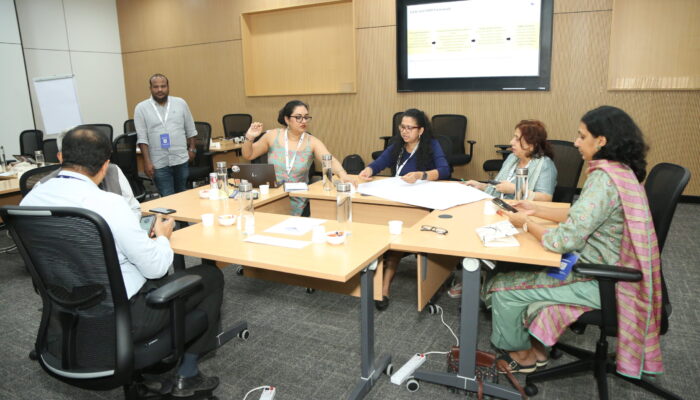
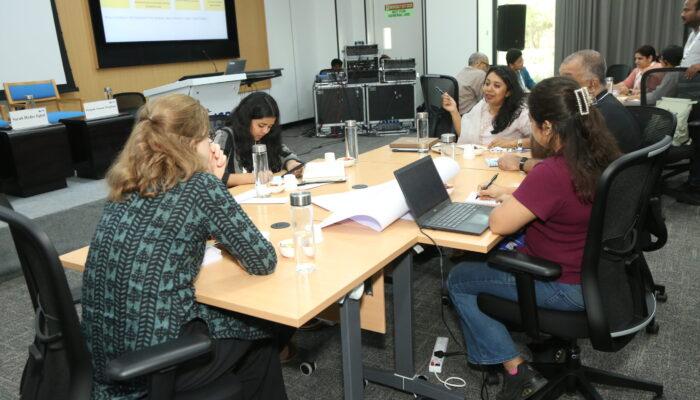
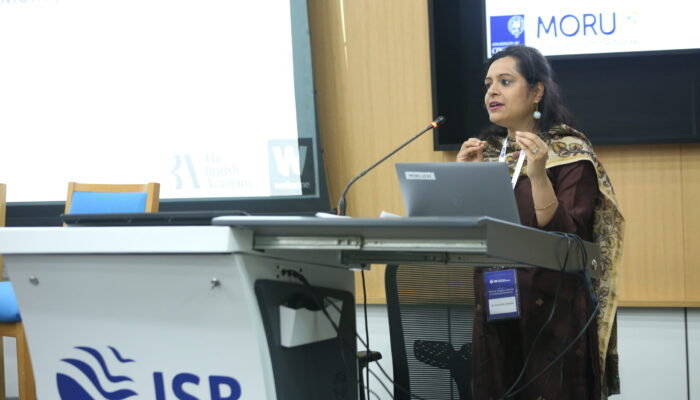
The One Health Trust, in collaboration with the Chr. Michelsen Institute and the Max Institute of Healthcare Management at the Indian School of Business, convened a two-day conference March 9-10, 2026, in Hyderabad, India, on effective mitigation strategies for antimicrobial resistance (AMR).
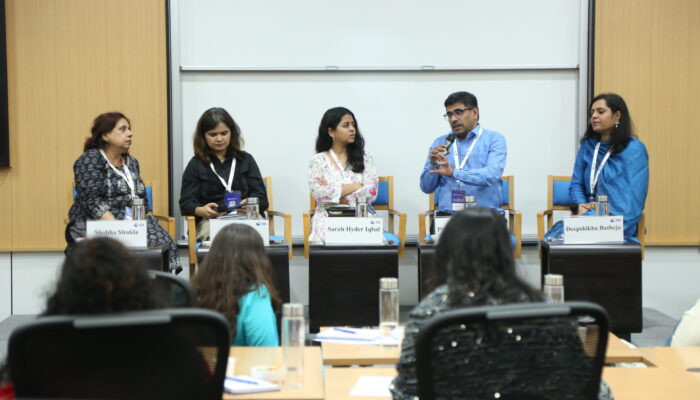
The conference, co-hosted by OHT’s Dr. Deepshikha Batheja, brought together policymakers, researchers, clinicians, and public health practitioners to explore the drivers of antibiotic misuse in India and identify practical, scalable, and equitable solutions to address AMR.
AMR occurs when bacteria and other microbes become resistant to drugs designed to kill them. A range of interconnected factors drives it. The discussions at the conference highlighted the role of widespread over-the-counter antibiotic use, gaps in AMR-specific data, prescribing practices within healthcare systems, and broader social and structural inequalities.
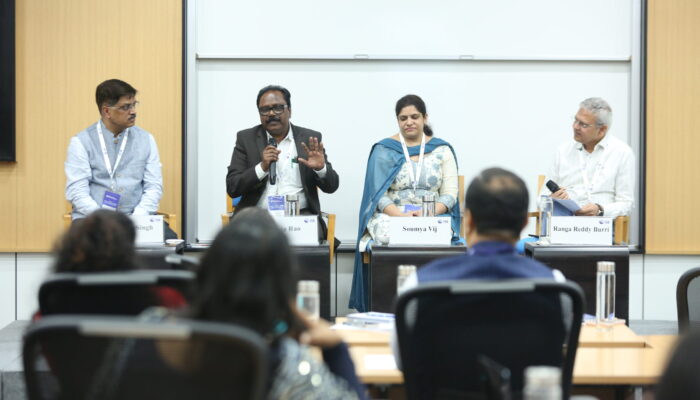
Across four thematic panels, participants explored key areas for action. These included strengthening policy frameworks and improving data systems for AMR surveillance; addressing behavioral drivers of antibiotic prescribing and use in hospitals; and recognizing the role of pharmacists, communities, and communication in influencing antibiotic demand and awareness.
The conference also highlighted the need for socially just approaches to tackle AMR. Factors such as caste, income, gender, and occupational risk influence both exposure to infections and access to appropriate care, highlighting the importance of inclusive and equitable policy design.
Overall, the conference reinforced that addressing AMR requires a One Health approach, one that connects human, animal, and environmental health, while also accounting for the social and behavioral realities that shape antibiotic use.